Samuel Kadungure
News Editor
IN just two weeks, tobacco auction floors will swing open for the 2026 marketing season, but behind the hopeful clatter of bales and buyers – a quieter and more unsettling trade is already taking shape.
At dawn on many farms, ‘gweja buyers’ – street‑wise middlemen who swoop in with crisp greenbacks and promises of instant cash – are already staking out farm gates.
Their offers are tempting, especially for small‑scale growers who have watched prices tumble in recent years. Yet the prices they pay is often far below the official auction rate, leaving farmers with a fraction of what their hard‑won leaf could fetch on the open market.
The pressure does not stop at the gate.
Farmworkers, many of whom have seen their wages stagnate while living costs rise, are increasingly tempted to ‘borrow’ from their employers’ warehouses.
A quick illicit sale to a gweja buyer can mean a few extra dollars for a family’s food basket, but it also chips away at the trust that holds farms together.
When authorities tightened their grip on street‑level foreign‑currency trading, many of the dealers who once hawked foreign currency on bustling pavements found themselves at a crossroads.
With their traditional market squeezed, they turned their attention to the tobacco sector – a lucrative source of hard currency that arrives each year when farmers cash in their harvests.
These former money‑changers have morphed into middlemen, slipping between tobacco growers and buyers with promises of instant cash and favourable exchange rates.
Their presence has given rise to phenomenon known as ‘farm gate marketing’ – a shadowy parallel trade where tobacco bales are sold to these unscrupulous elements, often at a discount, and payment is made in foreign currency on the spot.
For a farmer desperate for quick liquidity, the offer can be tempting – but for the industry – it threatens transparency, price integrity and, ultimately, national revenue.
Legally, it is a breach of a binding contract and, under Section 40 of the Tobacco Marketing and Levy Act (Chapter 18:20) – it is also a violation of the law when auction tobacco is sold outside the official auction floors.
When this reporter set out to gauge how ready tobacco growers were for the upcoming marketing season, he uncovered more than just fields of ripening golden leaf.
Beneath the hopeful rows of green, a shadowy network is already lurking – one that could undermine the livelihoods of countless small‑scale farmers.
On the fringes of the auction floors, gweja buyers are waiting, ready to swoop in, bundle up bales, and off‑load them to the official auction floors with the help of a few complicit merchants and auction officials. Their presence turns a season of promise into a game of cat‑and‑mouse, where a quick cash offer can tempt even the most diligent grower.
“I have since stopped growing tobacco, I will just buy from the growers and sell through connections I have made over the years at tobacco auction floors. I make more money than those who sweat for 10 months tending the crop,” said one unscrupulous buyer in Rusape, where seven auction floors, some of them very suspicious, were licensed to operate.
A fallout is already visible.
In recent weeks, several farm workers and their surrogates were arrested across Manicaland for stealing bailed tobacco from growers.
The stolen leaf is sold to these unscrupulous buyers for a fast bug of cash – a short‑term gain that leaves the original farmer with empty barns and broken contract.
“Tobacco is our family’s main source of income. When a gweja shows up at your farm with cash in hand, it feels like a lifeline, but you quickly realise you are trading your future for a few dollars today,” said Mr Shupikai Mvurumutiya, of Odzi.
TIMB has long warned about “side‑marketing,” but the current wave of gweja activity suggests the problem has evolved into a coordinated syndicate. With bales being siphoned off before they even reach the auction, the official market loses volume, treasury loses foreign‑exchange earnings, and honest farmers face tighter scrutiny and reduced prices.
For many farm workers, the temptation is not about greed, but survival.
“My children need school fees, and the wages from the farm are barely enough,” admits a worker from a farm on the outskirts of Rusape, who asked to remain anonymous.
“When someone offers US$200 for a bale high grade tobacco, it is hard to say no, even if I know it is wrong to steal from my employer,” he said.
For many farmworkers, the choice between a quick cash‑in‑hand deal and a steady, legal wage is a daily moral tug‑of‑war.
“I know it is wrong to take tobacco without permission,” admits one worker, who asked not to be named for fear of reprisals.
“But when you need to put food on the table, and there is no money coming in, the temptation is huge. I wish there were more support for us, so we do not have to turn to these shortcuts,” he said bluntly.
The emerging crisis underscores the need for a balanced response – stronger enforcement to dismantle the gweja networks, but also support for growers and farm workers – fair minimum prices and wages, transparent contracts, and access to credit that reduces the need for risky side deals.
As the selling season’s opening draws near, the hope is that vigilance from authorities, cooperation from farmers, and community‑wide commitment to integrity will keep the tobacco fields from becoming a battlefield. The true value of the golden leaf lies not just in its price per kilogramme, but in the dignity and stability it brings to the families who tend it.
“When a buyer shows up with cash in hand, it feels like salvation. But you have to ask yourself – at what cost? I have seen neighbours lose whole barns because they trusted the wrong person,” said Mr Difference Muchemwa, of Chitenderano.
TIMB must respond with a raft of enforcement measures, including checking for unauthorised buyers and verifying that all transactions are recorded through the official channels.
Penalties for side‑marketing must be stiffened, and a hotline must be set up for farmers to report suspicious activity – the aim being to protect the farmer’s earnings and preserve the credibility of the auction system
As the 2026 season approaches, the message from authorities is clear – use the official auction, report any side‑dealing, and help safeguard the hard‑won foreign currency that tobacco brings to the economy. Every bale that passes through the auction contributes to national revenue and livelihoods of thousands of families, and a few unscrupulous actors must not be allowed to erode that value.
While the contract system brought inputs and technical support to remote farms, it also created a dual market where licenced contractors sometimes buy from farmers not bound to them, blurring lines and encouraging informal such deals. Over time, the viability of many tobacco farmers is eroded, as the dual system favours larger, well‑capitalised players over the smallholder.
For many smallholders, the contract felt like a safety net – a promise that their hard‑won harvest would not be left to the whims of price swings.
But that safety net is now fraying. Last year, more than 550 grower numbers were suspended – a stark reminder that the problem is more than a paperwork glitch – but symptomatic of deeper strain.
TIMB should institute measures to eliminate these fly-by-night merchants, strengthen the marketing system, and encourage investment in value addition and beneficiation.
Armed with Statutory Instrument 77 of 2022, TIMB must step up its on‑the‑ground presence, hunting down the syndicates that keep side‑marketing alive and, when necessary, sending repeat offenders to jail. The law makes it clear – anyone caught fuelling the practice can be fined up to Level Five, sentenced to six-months imprisonment, or both, and may also be ordered to pay the aggrieved contractor three times the loss suffered.
Such criminal activities drain millions of dollars from the economy each year and threaten to cripple the country’s flagship tobacco sector. Its inspectorate department must conduct random inspections of farms, sales floors, and warehouses during the season, and work in partnership with law enforcement agencies to conduct intelligence-led operations.
The board should dispatch technical teams for farm visits, physically verifying that each grower is legitimate. It should also make full use of its booking system, requiring every grower to schedule their tobacco sales in advance – a simple step that helps spot and stop side‑marketing before it happens.
Random inspections of farms, sales floors and warehouses throughout the season, coupled with a robust awareness campaign, will ensure all stakeholders understand the damage side‑marketing does to livelihoods and to the nation’s foreign‑currency earnings.
Anonymous tip‑offs from whistle‑blowers should be welcomed and protected.
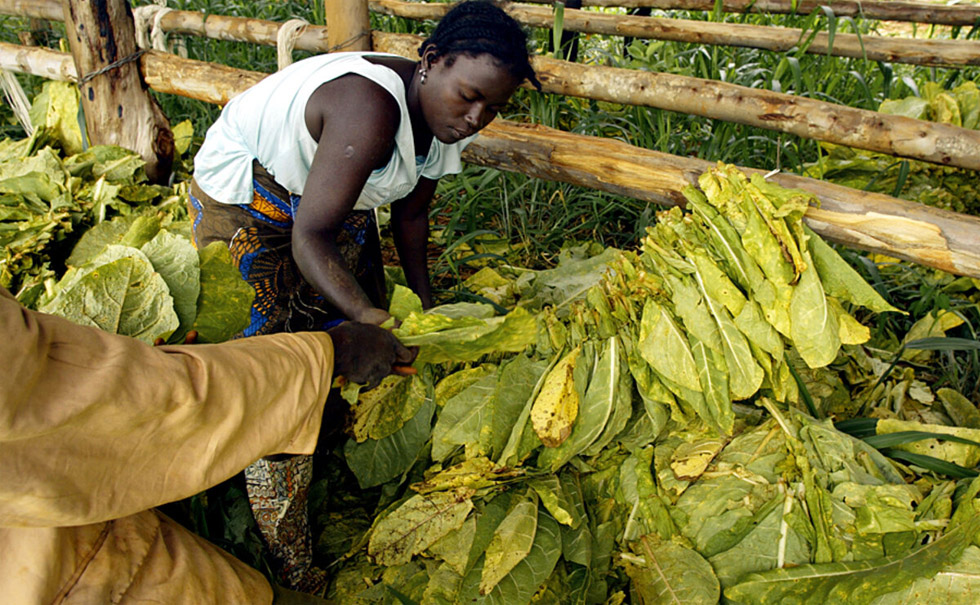
Tobacco ‘gweja’ buyers lurk on the fringe