Moffat Mungazi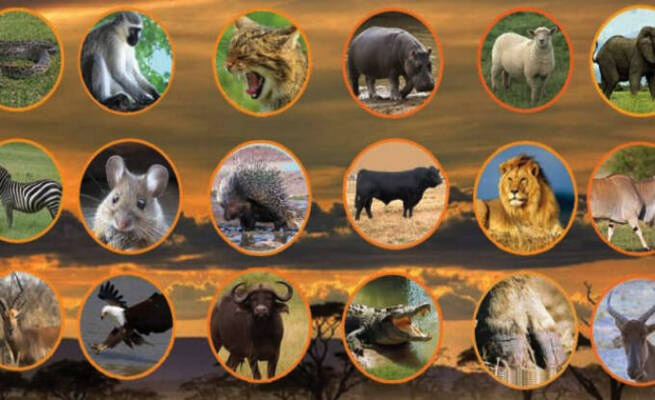
Rodgers Irimayi
Cultural Perspectives
IN Zimbabwe, there are few things that are deeply rooted in personal and communal identity as the totem or mutupo.
More than a cultural relic, a totem is a living expression of ancestry, history, and social structure.
For many Zimbabweans, knowing one’s totem is as important as knowing one’s surname.
It carries with it a lineage, a story, and a spiritual connection that transcends generations.
Many people easily connect or reconnect, and build strong relations through totems.
A totem is traditionally an animal, bird, or natural symbol that represents a specific clan or family group.
Among the majority ethnic groups in Zimbabwe, totems are inherited patrilineally, meaning they are passed down through the father’s line.
We have the heart (moyo), baboon/monkey (soko), eland (shava), hippopotamus/fish (dziva), zebra (mbizi/dube), fish eagle (hungwe), sheep (gwai), lion (shumba), and elephant (nzou) among other totems.
To explain the significance of these totems, here are a few examples which include the mighty elephant (zzou), which is admired for its strength and wisdom.
The totem praise names for the elephant totem (zvidawo) are Samanyanga, Mawombe, Makumbo, and Mutembwa.
The elephant, or nzou, is revered in African cosmology for its might, intelligence, and noble bearing.
The nzou totem carries an identity of unshakable strength, endurance and noble leadership.
The graceful eland (mhofu), (totemic praise name as Vhudzijena for males and Chihera for females), is admired for its elegant white knees.
The totem holds rich symbolic meaning and ancestral pride with associated traits of grace, intelligence, dignity, beauty and agility.
To belong to the Mhofu Clan is to inherit a legacy of dignity.
Chihera women are often associated with strength of character, eloquence, and calm leadership.
Some say they do not mince their words, but talk straight to the point as it is, even if the truth hurts.
The other example is that of the buffalo (nyati) totem which carries the symbolism of strength, endurance, courage, and community defence. The animal is respected for its raw strength, protectiveness, and unwavering spirit when under threat. Buffalos move in herds and are known for their loyalty to the group, and these are traits that are expected to reflect in families that carry this totem.
In traditional Zimbabwean belief systems, those with the buffalo totem, the Makonis and Chipunzas, (with the totemic praise name Shonga for male and Muzvare for female), are anticipated to be brave, resilient, and fiercely protective of their family and community.
They are often described as unyielding under pressure, and are praised for standing their ground even in the face of danger.
Children are born into their father’s totem, and this totem becomes a critical part of their identity.
It dictates more than just heritage, it shapes relationships, social customs, and even marriage rules.
In traditional Zimbabwean culture, marrying someone of the same totem is taboo. This rule is, not merely symbolic, it serves as a social safeguard, preventing incest and encouraging ties between different families and clans.
If one marries a woman of the same totem, it is considered an offence which calls for excommunication from the whole tribe. A white beast is expected to be presented as procedural reparation for the excommunication process ‘chekaukama’.
Totems are also preserved and celebrated through madetembedzo, the art of totemic praise poetry.
These poetic praises are recited during ceremonies, funerals, or formal greetings. They celebrate the qualities associated with the totem animal and honour the ancestors who bore them.
It is not uncommon to hear someone introduced at a family gathering as “Shumba! Murambwi! Mwana waMambo!” a lion, fierce and royal, child of the royal family.
These praises are more than ornament; they are oral history in motion, a cultural performance that connects past to present.
Discovering your own totem can be an enlightening journey into heritage. It often starts with your surname, your father’s or grandfather’s name, and your family’s place of origin.
For instance, a family from Masvingo often referred to as Vhudzijena would likely belong to the mhofu totem, the eland, revered for its dignity and speed.
In some families, children grow up hearing these praise names casually dropped in conversation, at ceremonies, or when elders exchange greetings. They may not understand their meaning as children, but they grow into them with age and understanding.
Each totem comes with responsibilities too.
Traditionally, people are not supposed to eat or harm the animal that represents their totem. To do so will be seen as an act of disrespect to the ancestors and to one’s own spiritual protector.
Thus, a person of the nzou totem may avoid eating elephant meat, not out of fear or law, but from a deep sense of identity and reverence.
In modern Zimbabwe, especially in urban areas, the knowledge and use of totems have become less prominent, but they have not disappeared.
Politicians, elders, and cultural custodians still invoke their totems in public speeches, not just as formalities, but as affirmations of identity.
At weddings, funerals, even at church and community gatherings, totems are called upon to bless the occasion and anchor it in tradition.
Pastors, deacons, reverends and church elders even call each other with their totems. They are a reminder that even in a rapidly changing world, they remain grounded on their cultural roots.
So, what is in a mutupo? Everything.
It tells the story of where you come from, who your people are, and the values held dearly by your people.
It reminds you that you are part of something larger, an unbroken chain of names, spirits, and symbols passed from one generation to the next.
The importance of totems is paramount in our culture as Zimbabweans.
There is a thin dividing line between traditional and Christian standards when defining totems.
If you don’t know your totem, perhaps it is time to ask.
Speak to your father, your guardian, your grandparents, or your elders. Find out where your family comes from, and listen for the praise names that may have echoed through your home without you even noticing.
You can easily make business connections and friends after knowing you are related through mutupo.
Your totem is, not just your identity, it is your inheritance.
Rodgers Irimayi is the Ministry of Information, Publicity and Broadcasting Services Masvingo Provincial Information Officer. He writes in his personal capacity and can be contacted on +263778246098 or [email protected]. He can also be followed on his YouTube channel, Culture Views with Judah Kalispokaz
Ends



 Online Reporter