

 admin
admin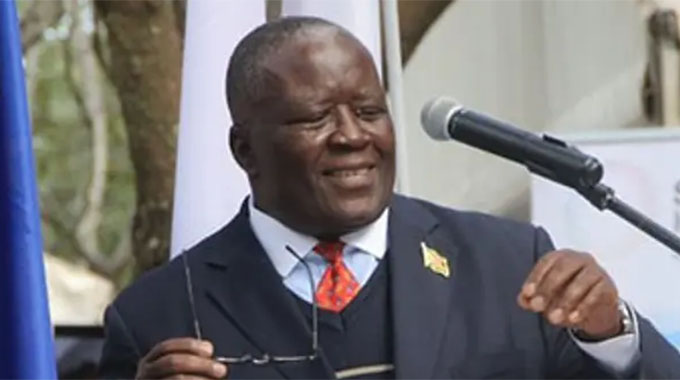
Victor Maphosa
Mashonaland East Bureau
Tourism is one of the critical pillars for socio-economic growth as it generates foreign currency, and creates employment, Permanent Secretary in the Ministry of Environment, Climate, Tourism and Hospitality Industry, Ambassador Raphael Faranisi, has said.
He said this during a National Tourism Policy review workshop held in Marondera recently.
The main purpose of the workshop was to solicit for contributions to the National Tourism Policy Review process, in order to realign it with the thrust of the Second Republic, taking cognisance of the emerging future trends.
The current National Tourism Policy was crafted in 2014 and normally, policies have a lifespan of five years, meaning this policy has outlived its usefulness.
In a speech read on his behalf by Mrs Tariro Musonza, the chief director tourism, Ministry of Environment, Climate, Tourism and Hospitality Industry, Ambassador Faranisi said the National Tourism Policy needed to take into consideration issues from the grassroots, communities and stakeholders, as they are the custodians of valuable resources.
“As we undertake our review process, we should also be mindful of issues to do with climate change, pandemics, climate proofing the tourism sector, sustainable tourism development, gender mainstreaming, women and youths’ participation in tourism-related activities,” he said.
“The digital age has also brought about a new dimension in the way we are doing our businesses, therefore, it is a critical element if we are to cope with the changing environments.
“As you may be aware, tourism is one of the critical pillars for socio-economic growth of the nation, among other sectors. It brings into the economy foreign currency, employment creation and attracts both local and foreign investors. In order to achieve all this, the tourism sector should have a guiding principal carrying the view of the people across every divide . . .”
Ambassador Faranisi added that old policies may run the risk of failing to comply with new laws and regulations and may not address emerging trends, which can result in inconsistencies and mal-alignment of programmes and activities in the sector.
He said the National Tourism Policy should be in line with the dictates of the national blueprints such as the national Vision 2030, the National Development Strategy 1, National Devolution Agenda and the sectorial blueprint; National Tourism Recovery and Growth Strategy, which speaks to a US$5 billion tourism economy by 2025.
“Our policy should seek to leave no one and no place behind in terms of tourism development and equitable distribution of tourism resources and revenue,” said Ambassador Faranisi.
Mashonaland East Province is unique in its own right, as it is home to a number of places of interest such Makurumure Falls and Imire Game Park in Wedza, Nyatana Wildlife Conservancy in Mudzi, and Gohori Resort in Mutoko, among a few.
The Jerusarema Mbende dance, a masterpiece in arts and culture, originated from Mashonaland East Province and was proclaimed on Unesco’s list of Oral and Intangible Heritage.
The province also has the potential to unlock religious tourism through religious shrines such as Bernard Mizeki in Marondera and Mutemwa Prayer and Leprosy Centre in Mutoko.



 Online Reporter