Online Reporter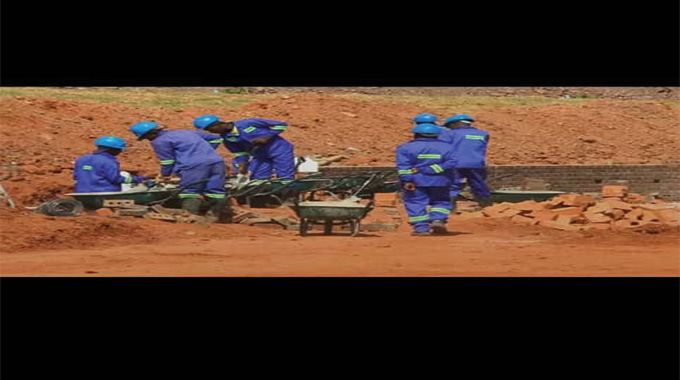
Rutendo Nyeve
Online Reporter
A wave of development driven by tourism is reshaping rural landscapes in Victoria Falls and Hwange, where modern infrastructure is rapidly replacing traditional pole and mortar thatched homes.
The emergence of lodges, leisure spots and improved water access is not only boosting local economies but also positioning these areas as hubs for cultural and ecological tourism.
Areas like Monde, Sidobe, Indlovu and Lupinyu all under Hwange Rural District Council and located within a 30 kilometre radius from the City of Victoria are sprouting with lodges and mordern housing infrastructure.
In an interview with Zimpapers, Acting Chief Mvuthu of Hwange district hailed the transformation, emphasising its impact on community empowerment.
“This development has brought jobs, improved livelihoods and pride to our people
“Tourists no longer come only for the wildlife, they now engage with our traditions, taste our local foods, and learn about our way of life. Rural tourism has become a bridge between cultures,” said acting Chief Mvuthu.
The shift is visible in villages where brick-and-mortar homes now stand alongside newly paved roads, while eco-lodges and safari camps blend modernity with environmental sensitivity.
Recreational amenities, including community arts centres and guided cultural tours, have sprouted, offering visitors immersive experiences.
Crucially, upgraded boreholes and water distribution systems have alleviated long-standing water shortages, improving both daily life and the viability of tourism enterprises.
Matabeleland North Minister of State for Provincial Affairs and Devolution, Richard Moyo underscored the alignment of these projects with the President’s Vision 2030 which is inspiring national goals.
“The developments we are witnessing in these rural communities in Matabeleland North are in line with President Mnangagwa’s vision to drive rural development and ensure no one and no place is left behind
“Similar strides in Binga, where investment interest has grown in fisheries and eco-tourism, prove this model works. We are turning marginalised areas into drivers of opportunity and development,” said Minister Moyo.
The synergy between tourism and infrastructure has created over hundreds of jobs in the past two years, according to Minister Moyo, with roles ranging from hospitality staff to construction workers.
With the construction of a Cricket stadium and plans for a tourism-based tertiary institution and solar energy projects, authorities have tipped the ripple effects of this tourism-led development to deepen, ensuring that Zimbabwe’s rural heartlands are no longer dots on the map, but destinations in their own right.