Online Reporter
Nqobile Bhebhe
Zimpapers Business Hub
AS Zimbabwe steps up initiatives towards the realisation of Vision 2030 targets, the spotlight is turning on the tourism sector as a key driver of inclusive economic growth.
Tourism is already a key element of Zimbabwe’s economy, estimated to contribute between 12 percent and 15 percent to the country’s gross domestic product (GDP) and has surpassed the Government’s target of a US$5 billion industry by 2025.
It is considered one of the fastest-growing sectors and is a critical pillar of the economy, expected to be among the leading contributors to GDP.
Tourism and Hospitality Industry Minister Barbara Rwodzi recently announced a new target to grow the country’s tourism to a US$10 billion industry by 2030. Key strategies to reach this new target include upgrading and building airports; promoting meetings, incentives, conferences and exhibitions (MICE) tourism; boosting eco-tourism and cultural travel; and encouraging investment in hospitality infrastructure.
Officials and stakeholders agree that the next generation of tourism investments must be bankable, sustainable and strategically aligned with national development priorities.
Bankable projects are vital because they serve as the bridge between visionary ideas and tangible investment.
In a competitive global investment landscape, only projects that meet rigorous quality standards can attract the capital needed to unlock Zimbabwe’s tourism potential.
This came out at the Sanganai/Hlanganani/Kumbanayi World Tourism Expo in Mutare, which ran from Wednesday up to Friday last week. Delegates noted that the country is ripe for mega investments.
Tourism, recognised under the National Development Strategy 1 (NDS1) and its successor NDS2 as a key pillar in the country’s march towards an upper middle-income economy by 2030, is fast emerging as one of the most resilient and growth-oriented sectors.
Addressing delegates at the event, Zimbabwe Invest head of project development Mr Taurai Duku gave an incisive rundown of bankable projects.
“A bankable tourism project is one that solves a real problem, aligns with national priorities, delivers measurable impact and speaks the language of investors through clear metrics, sustainability and readiness,” he said.
This renewed focus comes amid efforts to unlock private sector financing and donor support for tourism ventures that go beyond traditional sightseeing. The Government is now championing a structured, multi-tiered planning approach to ensure that tourism projects are not only viable but also transformative.
“This is a multi-tiered process, starting from the National Development Strategy (NDS), trickling down to the provincial strategy and culminating in local authority development plans,” he said.
“This approach ensures strategic alignment, geographical relevance and community focus of projects, and allows for a targeted approach to project selection, addressing the unique needs and challenges of each province, trickling down to the local communities, driving towards the attainment of Vision 2030.”
At the heart of this strategy is the transformation of Zimbabwe’s rich natural, cultural and historical assets into sustainable tourism products.
These must be designed to attract investment while preserving the integrity of the environment and heritage.
“Turning natural, cultural or historical assets into sustainable tourism products, ensuring alignment with national and local development strategies, and preparing projects that attract private sector investment,” Mr Duku said.
The expo, organised by the Ministry of Tourism and Hospitality Industry, in collaboration with the Zimbabwe Tourism Authority, has projected Zimbabwe as Africa’s premier tourism marketplace, showcasing the country and the continent’s tourism assets, facilitating serious business-to-business engagement.
The expo was more significant this year, coming soon after the launch of the National Tourism and Hospitality Policy (2025-2030), which places tourism at the centre of Zimbabwe’s economic development agenda.
To buttress that the Zimbabwe tourism sector is ripe for investments, delegates heard that the Reserve Bank of Zimbabwe (RBZ) had unveiled a comprehensive Back-to-Basics Strategy.
The strategy is characterised by currency stability, efficient payment systems and a liberalised capital framework, which are the fundamental pillars for unlocking significant investment, particularly in the nation’s growing tourism sector.
Deputy director at the central bank Mr William Manhimanzi reaffirmed the RBZ’s commitment to providing an enabling environment for tourism sector investment. He said the apex bank was playing a crucial role in creating a predictable and secure economic landscape attractive to both domestic and international investors.
Mr Manhimanzi said the core mandate of price and financial system stability was the bedrock upon which trade and investment were built.
“The prerequisites for facilitating investment flows are a stable, reliable and predictable currency; a reliable, efficient and accessible payment system; (and) a stable, resilient and integral financial system,” he said.
These, he added, were foundational elements the RBZ was aiming to deliver. Mr Manhimanzi told delegates that the central bank was cognisant of the importance of exchange rate stability.
“Exchange rate stability remains a cornerstone of economic confidence, and enhances a country’s investment appeal,” he said.
He further said the adverse effects of volatility lead to pricing uncertainties as inflation gallops, resulting in loss of savings.
Conversely, a stable currency allows businesses in tourism and related sectors to make long-term investment decisions with confidence, ensuring predictability in costs and the value of their returns.
Beyond currency stability, Mr Manhimanzi outlined the RBZ’s role in ensuring seamless financial transactions.
He pointed to the National Payment System as critical for facilitating the transfer of funds within the country and across borders, coordinating with banks, fintech firms and international organisations to keep systems running efficiently.
He said among the most encouraging initiatives for foreign investors eyeing Zimbabwe’s tourism potential were the comments on foreign exchange management.
“The RBZ is fostering a liberalised environment to support the smooth flow of current and capital account transactions,” said Mr Manhimanzi.
“This includes facilitating offshore payments and remittability of profits and dividends to foreign shareholders and allowing for capital repatriation, investment remittances and dividend transfers.”
This marks a significant shift towards building investor confidence, acknowledging past struggles.
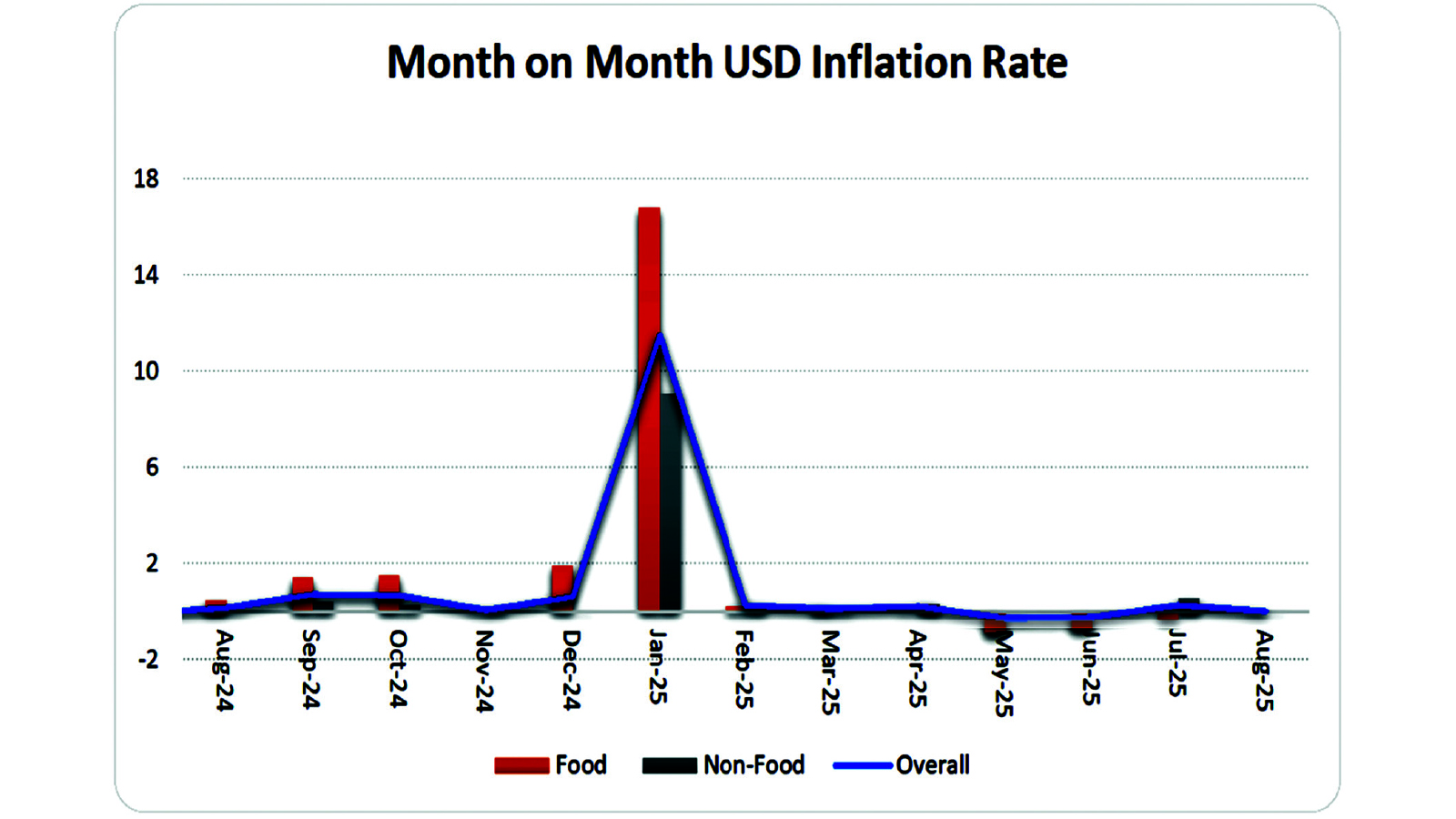
Mr Manhimanzi said the RBZ, in April 2024, adopted the Back-to-Basics Strategy, which seeks to regain public confidence and trust in policy formulation and implementation with a view to “build market confidence, trust and policy credibility”.
“The focus is now squarely on the bank’s core objectives, moving away from currency and exchange rate volatility, high inflation and loss of savings that previously hampered investment,” he said.
For the tourism sector, which thrives on international visitors and foreign direct investment, the RBZ’s renewed focus on these fundamentals signals a promising new chapter.
By prioritising a stable currency, efficient payments and flexible capital flows, the central bank is working to ensure that Zimbabwe’s renowned tourist attractions are supported by a world-class financial environment, paving the way for sustainable growth and investment.
Sustainability is no longer a buzzword; it is a prerequisite.
Defined as the ability to meet present needs without compromising future generations, sustainable tourism ensures the long-term viability of destinations while benefiting communities and preserving the environment.
It protects natural and cultural assets, enhances community participation and ownership, attracts impact investors and donor funding, and aligns with global environmental, social and governance (ESG) standards.
To be considered bankable, a project must meet the criteria of financiers. While private sector investors focus on financial returns, public and donor institutions consider
social, environmental and developmental impact.
Criteria vary by investor type and mandate, but key indicators include realistic revenue and cost assumptions; technical, legal, environmental and financial readiness, tailored to investor risk appetite; national development priorities; job creation and local economic impact that looks at contribution to GDP, small and medium enterprises growth and community development.
Officially opening the tourism expo, President Mnangagwa reaffirmed the Government’s commitment to leveraging the tourism sector as a powerful engine for economic growth, community empowerment and environmental conservation.
He said tourism continued to play a pivotal role in national development, providing broad-based economic benefits across the country.
“Tourism is a global powerhouse for economic development,” said President Mnangagwa.
“According to the UN Tourism Barometer, international tourist arrivals grew by 11 percent in 2024 compared to 2023, highlighting a sustained global demand for authentic travel experiences.
“Zimbabwe is riding this wave of growth by leveraging its unique blend of natural beauty, wildlife, heritage and cultural richness.”
In 2024, the tourism sector contributed 15 percent to the country’s GDP growth, with increased arrivals and diversified offerings playing a key role.
The Government has launched various initiatives such as rural tourism, eco-tourism and community-based tourism to ensure local communities are not left behind.
“The creativity and innovation displayed by participants this year signal Zimbabwe’s readiness to continue competing on the global tourism stage,” said President Mnangagwa.
Minister Rwodzi highlighted tourism’s role as a job creator and unifier.
“Every booking made here supports farmers, guides, artists, drivers, hoteliers, conservationists and families across our provinces,” she said.
“Every tourist we welcome is a vote of confidence in Zimbabwe’s future. We will seize the momentum of this expo to continue building a tourism sector that drives inclusive growth, sustainable development and prosperity for all Zimbabweans.”