Online Reporter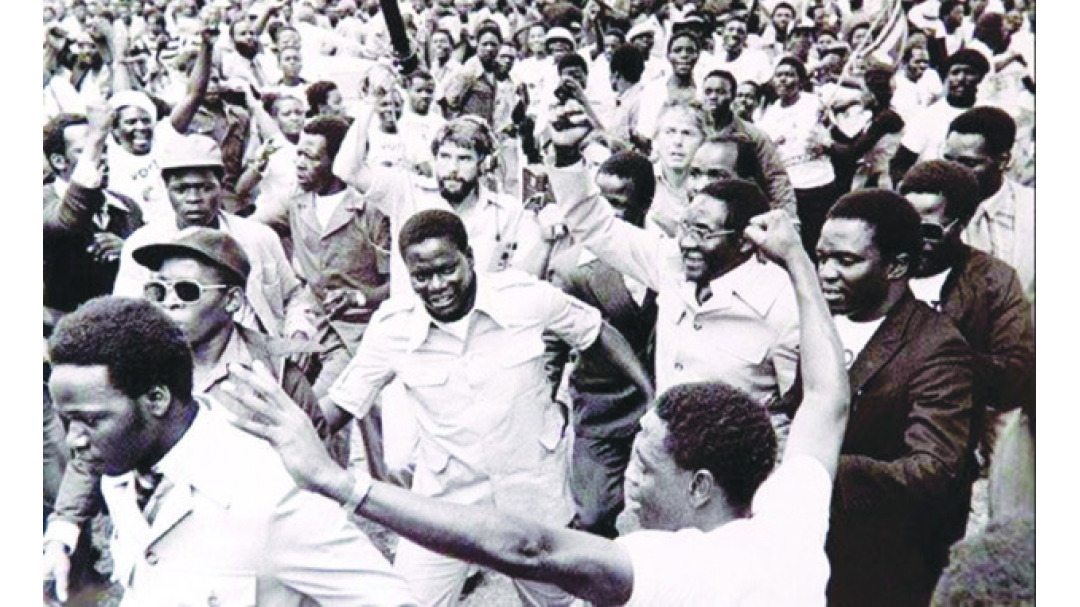
Itayi Musengeyi-Day Editor
The genesis of the Zimbabwe Defence Forces sprang from the diverse forms of colonial oppression executed by the white colonialists on the black majority Zimbabweans.
The white settlers displaced the Africans from their fertile land and shoved them to unproductive and infertile land unsuitable for both cropping and livestock rearing.
Blacks were also coerced to drastically reduce the number of their cattle, a symbol of their wealth. To further disempower blacks, the colonial regime forced the indigenous people to work as labourers on white farms.
The actions of the colonialists gave rise to potent disgruntlement, resulting in the birth of early trade unionism led by, among others, the iconic Benjamin Burombo.
Trade unionism became the rallying point for national consciousness, which grew and morphed into political activism in the 1950s and 1960s.
Blacks who had acquired some form of education were beginning to shackle themselves from the peasant-labour servitude.
“These provided the requisite leadership and organisational skills, channelling the grievances of the black majority towards a coherent national political consciousness. The formation of the Southern Rhodesia African National Congress, the National Democratic Party, Zapu and Zanu, was largely attributed to these groups of courageous indigenous intellectuals.
“When UDI was declared in 1965, it completely shut out the political space for the blacks in the Southern Rhodesia colony. The increasingly dire circumstances of the blacks, both in overcrowded reserves and in towns, mines and on the farms, had by this time radicalised them. The 1965 UDI became the turning point, the time to call to arms, the genesis of the Zimbabwe Defence Forces,” the late former President Robert Mugabe told the Zimbabwe Defence Forces Day 34th anniversary commemoration in 2014.
Taking up arms was identified by the nationalists as the only option to force the colonialists to grant blacks political rights. When the nationalists launched the armed struggle, they received support from progressive nations, the Soviet Union, China and newly independent Third World countries who made the plight of countries still under the bondage of oppression their burden.
Lobbying at the UN General Assembly led to appeals to support the UN Charter’s call for self-determination of all the subjugated people of the world. The founding fathers of the Organisation of African Unity (now the African Union), chief among them Kwame Nkrumah, Julius Nyerere, Sekou Toure, declared at their inaugural summit in 1963, that Africa would not be free until all its people were free.
These brave Pan-Africans influenced the OAU to establish the African Liberation Committee (ALC), specifically for the attainment of this goal.
The nationalists’ liberation war efforts received moral, diplomatic, material support and training mainly from Algeria, Egypt, Ghana, Cuba, China and the Soviet Union.
Without doubt, the early days of the war of liberation were marked by deficiencies in military leadership, material and ideological grounding. But these were rectified with time.
Recruiting freedom fighters was a mammoth task in those early years of the armed struggle because the Rhodesian regime employed brutal policing, while the browbeaten populace had not been politicised enough to cope with the vagaries of an armed struggle.
“Despite these setbacks, the Chinhoyi, Hwange, Sipolilo (Chipuriro) battles were the true manifestations of Mbuya Nehanda’s ‘Mapfupa Achamuka’ (my bones shall rise) prophecy,” said Cde Mugabe.
In the early 1970s, the liberation fighters opened up the North East Zone, specifically in Centenary, where the guerillas attacked Altena Farm.
“This was indeed a wake-up call to the Rhodesians that their temporary victories at Hwange, Chinhoyi and Chipuriro had only been, but just the beginning of a much protracted and wider guerilla campaign,” said Cde Mugabe.
These battles laid the foundation for the genesis of the Zimbabwe Defence Forces.
After the brief halting of the armed struggle under Détente in 1974-75, Frelimo’s Independence in Mozambique in 1975 opened floodgates for thousands of young cadres, who abandoned school to join the liberation war.
The number of recruits swelled when the war of liberation resumed in 1976 with more cadres crossing into Mozambique and Zambia for military training.
Consequently, the Manica, Gaza, Northern and Southern fronts, among many, were opened as the guerillas escalated the onslaught on the colonial regime.
The war intensified, leaving the Rhodesian administration with no choice, but to accede to demands for majority rule at the Lancaster House Talks in 1979, paving the path to Independence in 1980.
After the formation of the coalition Government made up of ZANU PF, ZAPU and the Rhodesian Front, Cde Mugabe, then Prime Minister and Defence Minister, announced plans to establish an integrated army by the end of that year.
The new army was to consist of units from the Rhodesian army, ZANLA and ZIPRA.
“One of the critical issues that had to be dealt with under the highly technical military integration exercise was that of command-and-control, the specific tasks being that of ‘equitable integration’ of the military High Command of each army. As such, several elements were transformed to constitute the chain of command-and-control,” write Knox Chitiyo and Martin Rupiya in a chapter titled “Tracking Zimbabwe’s political history: The Zimbabwe Defence Force from 1980-2005” in the book Evolutions and Revolutions, A Contemporary History of Militaries in Southern Africa (2005).
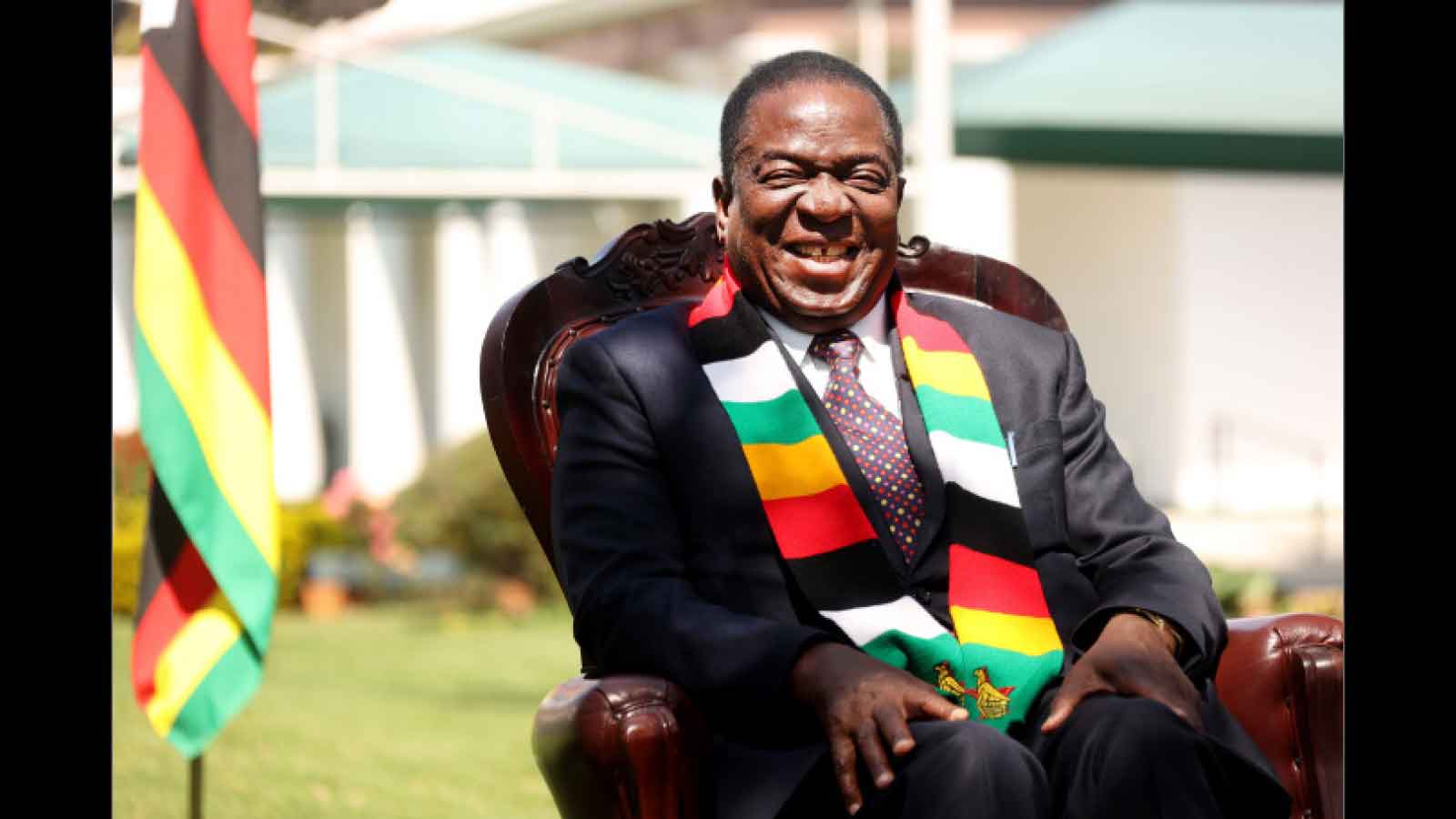
The current President, Dr Emmerson Mnangagwa, was appointed as the new Minister of State Security and tasked with heading a new Joint High Command (JHC).
The British Military Advisory and Training Team (BMATT) played a key role in the amalgamation of the three armies by mediating between the three forces and training the officer corps of the fledgling Zimbabwe National Army.
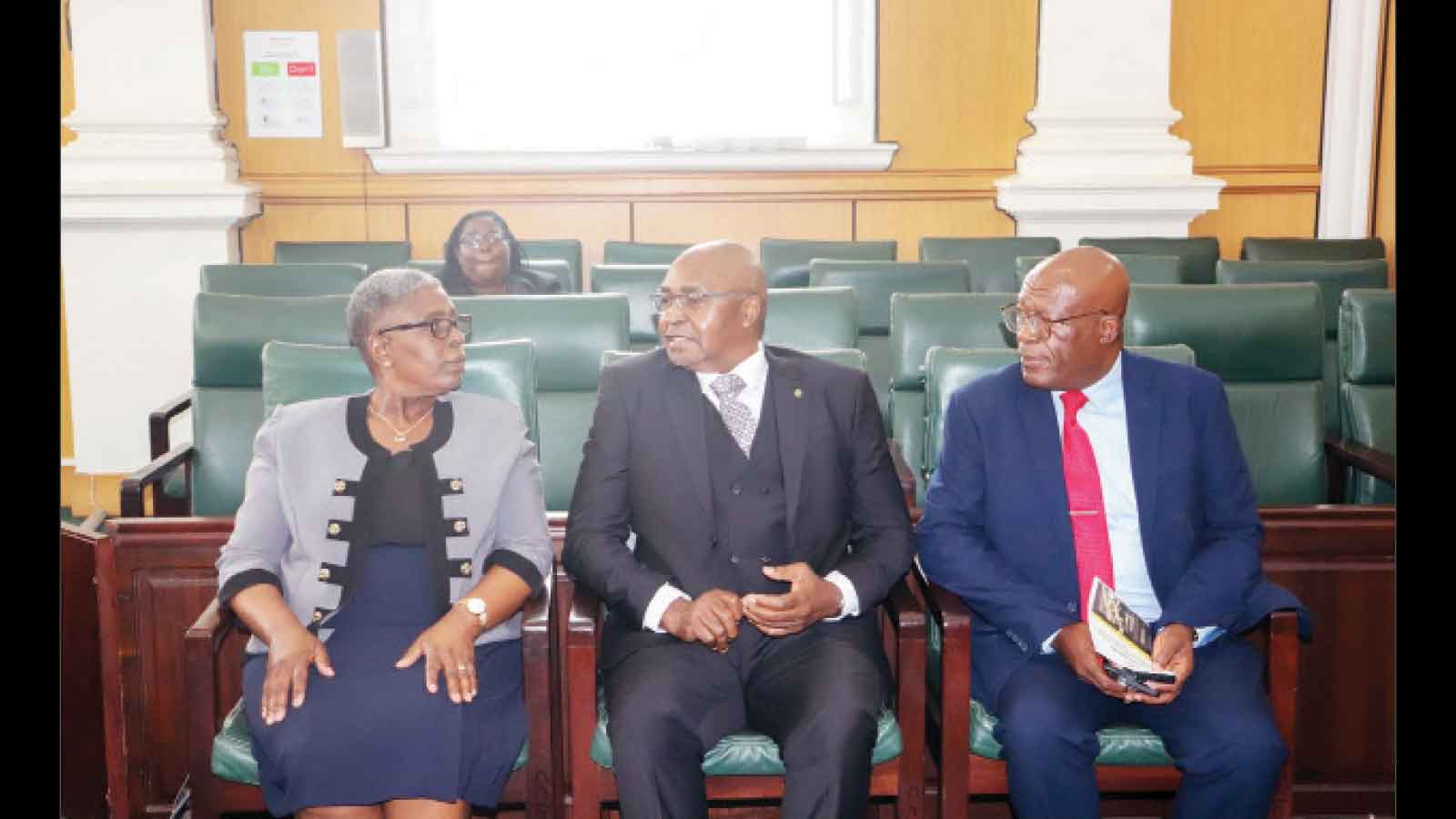
Rhodesian Security Forces (RSF) Commander Lieutenant General Peter Walls, was appointed Commander of the JHC with the responsibility to implement the new defence policy, managing the integration and training.
Lt-Gen Walls worked with the Commanders of the Rhodesian Air Force, ZANLA and ZIPRA in the JHC. After the resignations of Lt-Gen Walls and other senior RSF commanders, ZANLA Commander Lt-Gen Rex Nhongo (Solomon Mujuru) was appointed overall Commander of the Armed Forces with former ZIPRA military chief, Lookout Masuku deputising him.
Cadres of the armed struggle formed the nucleus of the new military. Some joined the army, air force, police, municipalities, parastatals and Government with some opting to go back to school while others were demobilised.
Those who joined the army formed the bedrock of what we now have as the Zimbabwe Defence Forces.
After overcoming such difficult and humble beginnings, the ZDF has gradually evolved to become the solid force that it is now, scoring several successes in repelling foreign-backed rebellions in Mozambique and the Democratic Republic of Congo as well as in peacekeeping missions in the SADC region, Somalia and Sudan.
Locally, the ZDF participate in community service projects building schools, clinics and infrastructure as well as rescuing citizens in times of natural disasters.
In the midst of these missions, the ZDF has meticulously undertaken its other core functions, valiantly safeguarding Zimbabwe’s sovereignty and territorial integrity to guarantee a peaceful environment in the country, the bedrock for socio-economic development.