Vusumuzi Dube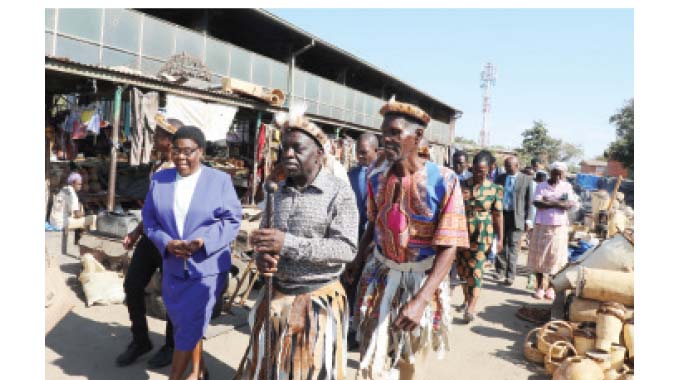
Sibongile Ndiweni, Sunday Life Reporter
AS if it was an Africa Day extension, people of Bulawayo dressed in their African outfits showing off their culture and embracing their origins, marking Bulawayo Day in style at the Stanley Hall in the city’s oldest township Makokoba.
The event which was themed “Our culture, our heritage, our creativity” was indeed unique, befitting a city celebrating 129 years of existence.
A variety of entertainment performances gave the day a mix of both traditional and modern excellence, thus accommodating both the young and the old generation.
Black Umfolosi, different local primary schools, and other local performance groups gave a traditional ambiance to the crowd while Asante Mo, which is a local group from Makokoba, presented an outstanding performance of the modern sound mixed with a vibe of the beats from traditional drums.
Bulawayo Day was opened by a tour trail that was aimed at showing the people that the city also has places that are not only tourist attractions but also helped in nurturing the different artistic talents of the Bulawayo youths such as the Mzilikazi arts and craft center.

Having this celebration held at Stanley Hall was also a way of alerting the public that the old township was still the beating heart of the City of Kings.
It also gave a highlight that both Stanley Square and Stanley Hall were the first sites to be listed as community-driven monuments by the National Museums and Monuments of Zimbabwe (NMMZ) in 2017 because of their historical existence.
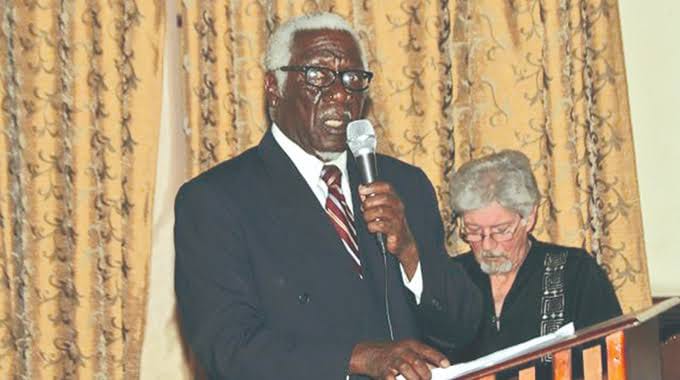
Sharing the history of the city at the event, historian and culturalist Pathisa Nyathi explored the history of the city, and how it was divided into two towns with one half reserved for the white people and Makokoba being the preserve of the black majority.
He brought out the importance of Stanley Hall by giving examples of liberation icons like Samuel Parirenyatwa whose send-off was done from the hall and George Silundika whose wedding ceremony was held at the same hall.
Bulawayo Provincial Affairs and Devolution Minister Judith Ncube said Bulawayo Day must be celebrated as it recognises the city’s heritage and cultural diversity which should be used to promote social cohesion.
“As we recognise the heritage and cultural diversity of the city of Bulawayo, the identity of the city of Bulawayo dates back to the arrival of King Mzilikazi who came to Bulawayo in 1840.
Hence the celebrations are anchored on the rich history, heritage and legacy. It is a great honour that we are commemorating Bulawayo Day because it symbolises that we value our culture and heritage as residents of Bulawayo.
It is crucial that we recognise Bulawayo Day as it seeks to provide a platform of social and cultural expression through the celebration of our diversity.
“The modern city of Bulawayo takes pride in the narrative of its liberation struggles, places such as Makokoba, Stanley Hall, McDonald Hall in Mzilikazi speak to the genesis of the liberation struggle, places such as Emkambo where genius skills ranging from traditional crafts and herbal knowledge are showcased.
The culture and heritage of the City of Bulawayo keep the people going. It also shapes our narratives which builds respect for each other.
Ukuze sihlonipheke there should be something unique about us, inhlonipho and ubuntu we need it and Bulawayo is a key enabler which reshapes and allows us to reimagine Bulawayo beyond now,” added the minister.
In 2019, the city of Bulawayo declared 1 June as the day that will be used to celebrate Bulawayo every year. While the period from 2 to 5 June is used as the Bulawayo festival days.


 Online Reporter