Online Reporter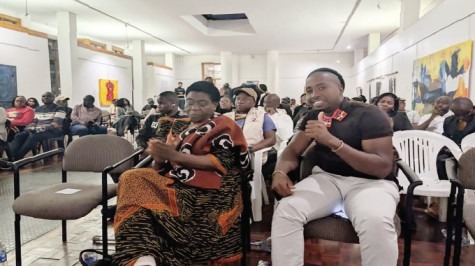
Bongani Ndlovu [email protected]
TRADITIONAL Zimbabwean food can be transformed into a powerful tourism and economic resource through documentation, promotion and effective marketing, Bulawayo Minister of State for Provincial Affairs and Devolution Cde Judith Ncube has said.
Speaking at the launch of the digital media and culinary heritage platforms Magriza Made Me Cook Season Two and A Taste of Zimbabwe series at the National Gallery of Zimbabwe in Bulawayo on Saturday, Minister Ncube said food was more than sustenance, describing it as an important part of Zimbabwe’s cultural identity and a potential driver of opportunities in the tourism and creative sectors.
She said initiatives such as those spearheaded by Prince Sivalo Mahlangu, which document traditional foods, cooking methods and personal stories through film and digital media, were helping preserve the country’s culinary heritage while creating avenues for economic development.
“Food is not merely something we eat. Food tells a story. It tells us about our history, our environment, our traditions and our way of life,” said Minister Ncube.
She said knowledge about food had traditionally been passed from one generation to another, covering everything from the use of grains, vegetables, fruits and herbs to traditional methods of preparing meals. However, with Zimbabwe embracing modernisation and technological advancement, she said there was a need to ensure such indigenous knowledge was documented and preserved.
“By documenting our traditional foods, cooking methods and personal stories through film and digital media, we are creating a living archive of Zimbabwean heritage.
“You are ensuring that knowledge which was traditionally passed on can now be preserved, asserted and appreciated by generations to come,” she said.
Minister Ncube said Zimbabwe needed to broaden its understanding of culture beyond preservation, arguing that cultural heritage could also become a catalyst for tourism, employment and entrepreneurship.
“Culture is an economic resource.”
She said A Taste of Zimbabwe, which showcases Ndebele cuisine, demonstrated how the country’s culinary heritage could be incorporated into tourism promotion.
“The wider Ndebele region possesses a rich cultural heritage that can contribute significantly to Zimbabwe’s tourism economy. Our traditional foods, cultural practices, music, dance, fashion, art, crafts and storytelling are all part of our tourism offering.”
According to Minister Ncube, food has the potential to connect various players across the economic value chain – from farmers producing ingredients and chefs preparing meals to filmmakers documenting culinary traditions, artists and creatives telling the stories, and tour operators packaging cultural experiences for visitors.
“Through innovation, promotion and effective marketing, our heritage can create opportunities for young people, women, artists, filmmakers, chefs, farmers, tour operators and many other players across the value chain,” she said.
She said Magriza Made Me Cook was a strong example of how food could be combined with storytelling, film and tourism to create new economic opportunities.
“It brings together culture, food, storytelling, film, tourism and entrepreneurship. That intersection represents exactly the kind of innovation that can contribute to local economic development,” she said.
The concept, she said, was particularly relevant to Bulawayo, a city renowned for its cultural identity and growing creative sector.
“Bulawayo has a strong identity as a centre of culture, creativity, industry and innovation. We must therefore continue creating platforms where our local talent can flourish and where our cultural assets can contribute to economic development,” she said.
Minister Ncube challenged Zimbabweans, particularly creatives, to take ownership of their stories and use digital platforms to showcase the country’s cultural wealth to global audiences.
“Stand up, tell your story. There are a lot of opportunities. Tell your story so that the world knows,” she said.
Minister Ncube also called on communities, cultural institutions, the private sector and Government stakeholders to support initiatives aimed at preserving and promoting indigenous knowledge.
She commended Mahlangu and the production team for demonstrating how an idea rooted in family and community could grow into a platform for cultural preservation and economic opportunity. Minister Ncube said the launch of Magriza Made Me Cook Season Two should not be viewed as an end in itself, but as the beginning of a broader effort to take Zimbabwean culture to wider audiences.
“As a Government, we remain committed to supporting initiatives that empower communities, promote our cultural heritage, create opportunities for young people and contribute to the development of our province and our nation,” she said.
Minister Ncube urged the team to take the story of Zimbabwean food to audiences both locally and internationally.