dyton mupawaenda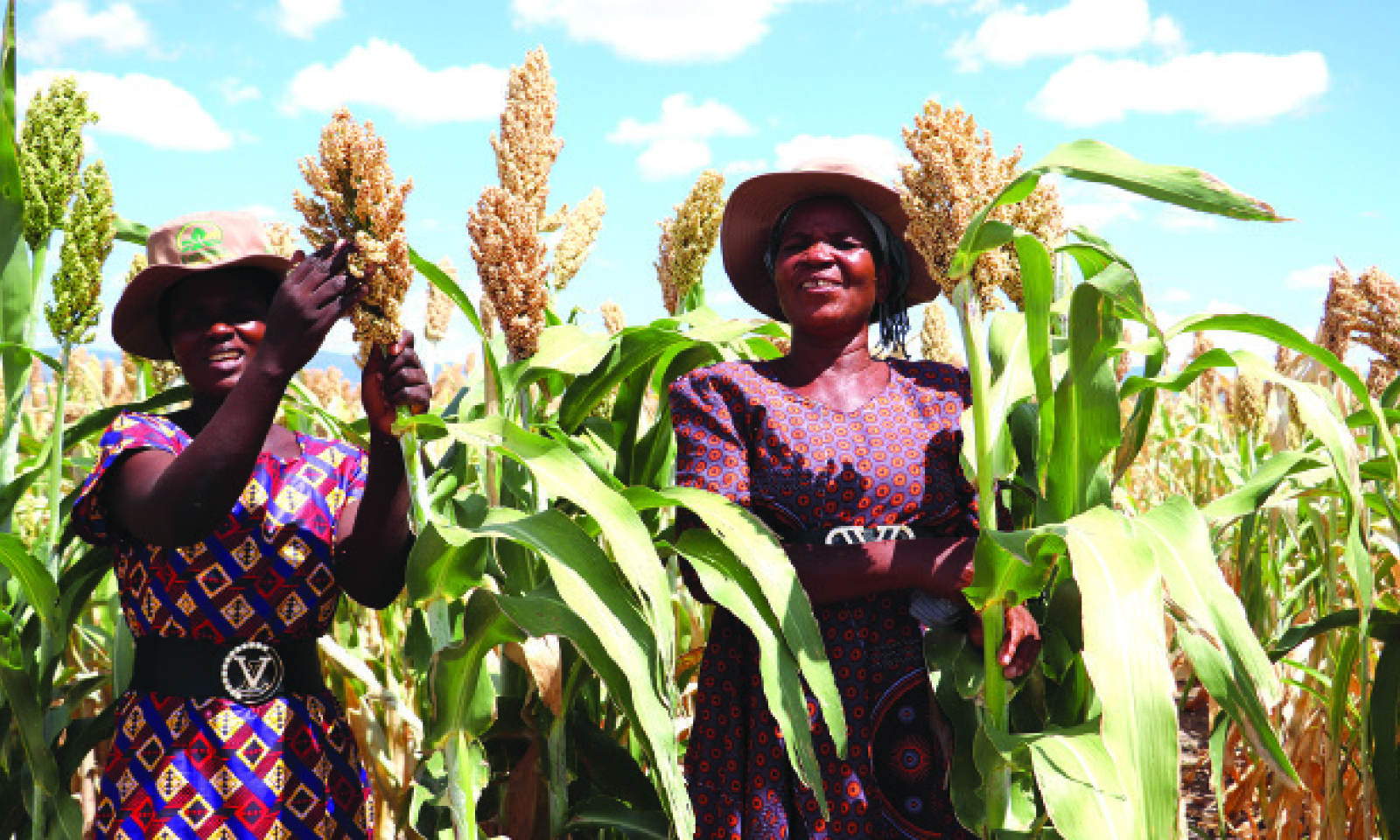
Precious Manomano-Herald Reporter
Traditional grains have transformed the lives of farmers in Muzarabani, with Mr Ephraim Mugoniwa of Chidaushe Village serving as a prime example.
The farmers are filled with optimism.
They appreciate that the resurgence of traditional grains not only nourishes their families, but also contributes to the preservation of Zimbabwe’s agricultural heritage.
As communities rally around this movement, the cultivation of traditional grains stands as a beacon of hope, promising better nutrition, improved livelihoods and stronger cultural ties for generations to come.
Over the past three years, Mr Mugoniwa has cultivated sorghum, which has improved the quality of his family’s life, including better educational opportunities for his children.
“Sorghum growing has improved my family’s life. All my children are in good schools. I have also acquired important assets such as a scotch cart, cattle and even built a good house. The crop has proved to be the one of the best crop in terms of bringing income to the farmers,”he said.
Mr Mugoniwa said he is expecting more income this season also highlighting that the crop is easy and cheaper to grow.
“I grow it without fertilisers. I put the crop where there were cowpeas. I was given chemicals by the company. This seed is difficult to grow; it does not need other crops nearby. I’m expecting 3 tonnes per hectare from my five-hectare plot,” Mr Mugoniwa explained.
His farming journey began when he was contracted by Farmbiz, a company committed to engaging farmers in cultivating traditional grains.
Mrs Tapiwa Musanganirwa shared a similar story.
She said traditional grains had transformed communities .
“People’s diets are changing and they now consume healthy foods, which are mostly the foods our forefathers used to eat. This shift not only enhances dietary diversity, but also fosters a sense of community and connection to ancestral practices.
He said traditional crops perform better than maize even under drought and in challenging conditions.
Farmbiz’s director, Mr Misheck Maravanyika, emphasised the company’s role in connecting farmers to this crucial agricultural endeavor.
“We have a committee that selects farmers whom they know have potential. We contract cowpeas farmers and even pearl millet here in Muzarabani. We started contracting farmers in 2020,”he said.
Ministry of Lands, Agriculture, Fisheries, Water, and Rural Development, Permanent Secretary Professor Obert Jiri underscored the significance of aligning farming practices with ecological conditions.
“Agro-ecological tailoring is critical. Where there is hot and low rainfall, there is a need to grow traditional grains to ensure food security,” he noted.
He encouraged farmers to embrace what their regions can grow effectively, affirming the nutritional benefits of these crops.
This renaissance of traditional grains has led to an impressive increase in cultivation, with farmers planting 700 hectares compared to just 246 088ha last season.
Sorghum alone surged from 176 933 hectares last year to an astonishing 407 889 ha this season. Pearl millet and rapoko have similarly experienced remarkable growth, reflecting a broader cultural awakening rooted in heritage and nutrition.
Zimbabwe Commercial Farmers Union president Dr Shadreck Makombe, noted the rising market demand for traditional grains, indicating a significant change in consumer preferences.
“More people are now health-conscious, and even restaurants are now serving traditional food. Long back, demand for traditional food was low as it was perceived to be for the poor. Now the affluent are the ones who demand traditional food,” he remarked.



 Online Reporter