Online Reporter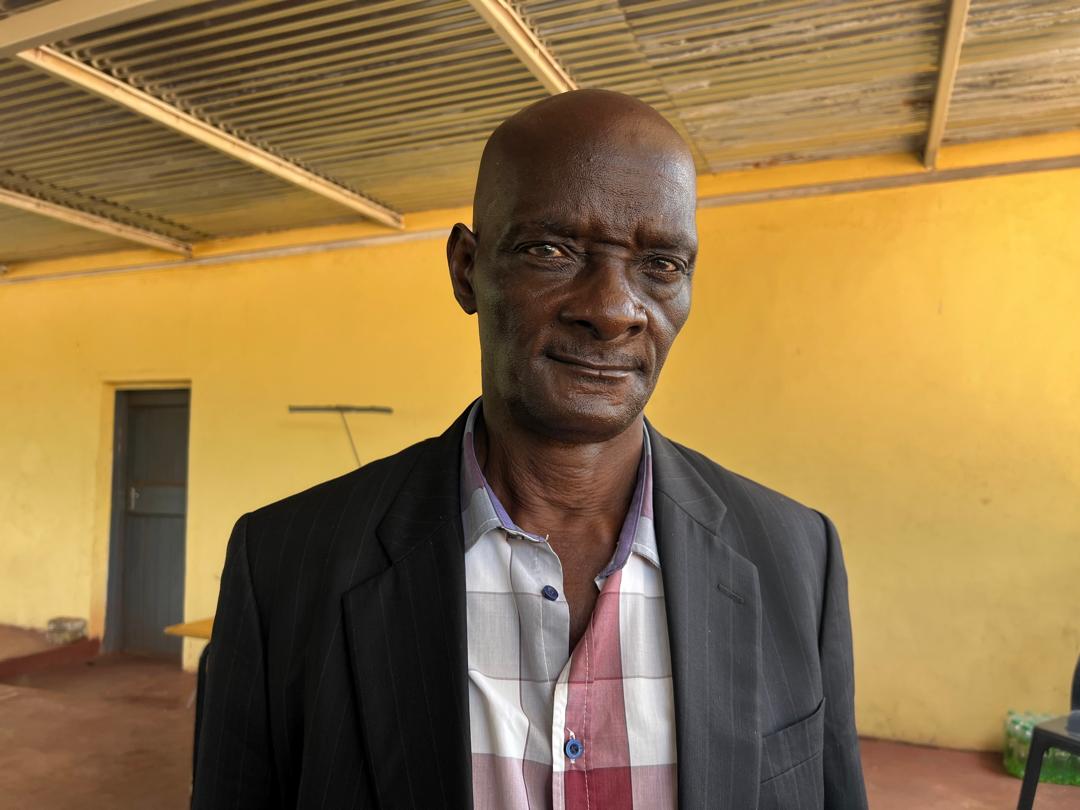
Sukulwenkosi Dube-Matutu, [email protected]
TRADITIONAL leaders from Matobo District have engaged in a drive to influence the mindset of community members as a strategy to fight teenage pregnancies and child marriages.

Speaking on the implementation of the “Not in My Village” campaign during a media tour organised by the National AIDS Council (NAC), traditional leaders from the district said families and community members are concealing child marriages and teenage pregnancies, derailing progress in the fight.
“We have rolled out the ‘Not in my Village’ and our target for now is awareness raising so that we can change the mindset of community members. Families and community members are concealing cases of teenage pregnancy and child marriages, not realising the impact of their actions on these youngsters.
“We want the community to be on the same page with us as they play a crucial role in the success of this intervention. We want perpetrators to realise the gravity of their actions and we want families and the community to stop tolerating this cruelty so that they can act as whistle-blowers,” said Headman Makholisa Ncube.
Esigodini Village Head Shakespeare Ndlovu said they are using various platforms such as gatherings and community courts to educate villagers on the “Not in My Village” campaign.
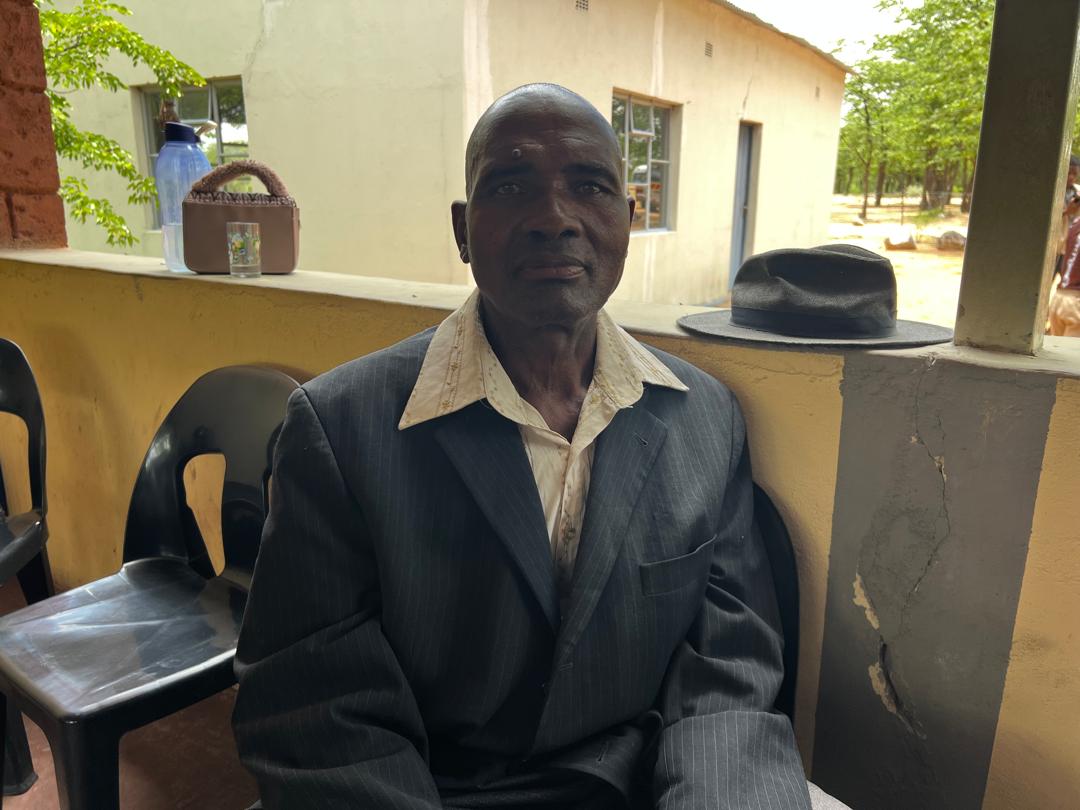
He said they are educating people on the effects of teenage pregnancies and child marriages on youngsters, the gravity of committing the offence, concealing or aiding, and the consequences.
Ndlovu said for a long time people have been negligently sacrificing the rights of their daughters without understanding the impact of their actions.
According to statistics from the Ministry of Health and Child Care that were presented during a “Not in My Village” chiefs’ orientation training workshop in Gweru recently, 8 900 adolescent girls and teenagers from eight districts in the country were last year reported pregnant after seeking antenatal care services, while over 6 800 delivered either at home or at health facilities, and six died during delivery.
The worst affected districts are Chipinge, Mutare, Goromonzi, Murehwa, Hurungwe, Chegutu, Beitbridge and Insiza. Nine children below 10 years were reported pregnant in Chipinge, Mutare, Insiza and Chegutu.
Statistics have also shown that teenage pregnancies and child marriages are more pronounced in rural communities and are predominant in resettlement, mining, border areas and areas dominated by religious sects.
These startling figures have prompted urgent action from community leaders and stakeholders.
Government, in collaboration with the United Nations Population Fund (UNFPA), is spearheading the “Not in My Village” campaign. The initiative is youth-led, driven by the Young People’s Network on Health and Wellbeing (YPNHW), in partnership with the National AIDS Council (NAC).
Eliminating child marriages and teenage pregnancies aligns with the National Development Strategy 1 (NDS1), which aims to create a prosperous and empowered upper-middle-income society by 2030.
Child marriages in Zimbabwe are influenced by factors such as poverty, gender norms, cultural and religious beliefs, and lack of access to education and comprehensive health services.
@DubeMatutu