

 dyton mupawaenda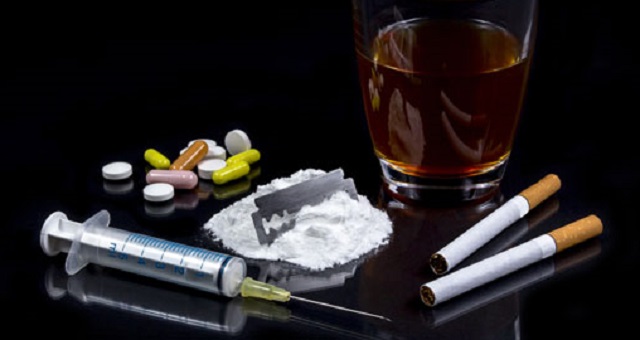
Marilyn Mutize–Herald Correspondent
The issue of drug and substance abuse has become a major concern for Government as cases of people abusing dangerous substances continue to grow.
Recent reports indicate a troubling increase in drug-related incidences.
Drug abuse is not just about people seeking a temporary high; it is a complex issue influenced by several factors including lack of recreational facilities, socio-economic pressures, divorce and death of parents, poverty, stress and past experiences of trauma.
The impact of drug abuse extends beyond the individual to families, communities, and society as a whole, straining relationships, undermining trust, and placing burdens on healthcare and law enforcement services.
This scourge has affected all parts of the country from large cities such as Harare and Bulawayo to smaller towns like Shamva and Bindura.
The rise in illegal drug trading bases highlights the sophistication of criminal networks involved in perpetuating this cycle of addiction and harm.
Recognising the seriousness of the situation, Government has taken proactive steps to address drug and substance abuse.
Cabinet recently approved the Zimbabwe Multi-Sectoral Drug and Substance Abuse Plan 2024-2030 that outlines a comprehensive strategic approach to address the escalating threat of drug and substance abuse to public health, economic growth, national security, and social stability in Zimbabwe.
The decentralisation of the drug and narcotics department will be expedited. Cabinet also approved the review and updating of fine structure of the organisation and directed that suppliers must be prosecuted through the courts and not through spot fines.
Establishment of outpatient psycho-social support centres and parenting groups countrywide as well as the purchase of psychotropic medicines and food provisions for rehabilitation centres will be expedited.
Cabinet also approved the principles for the enactment of the Zimbabwe Drug and Substance Agency Bill, 2024 that paves way for the establishment of an additional Security Service and specialised Drug and Substance Elimination Agency/National Drug Agency.
The agency will be responsible for the enforcement of laws that deal with drug and substance trafficking, use and abuse as well as co-ordinating efforts of other support services.
Government has also been carrying out educational campaigns to raise awareness about the risks of drug abuse, and support programmes for those seeking to overcome addiction.
This is part of the efforts to transform the minds of young people as a crucial step to fight drug abuse.
However, tackling drug abuse requires a concerted effort from all sectors of society.
By working together to address the root causes of drug abuse and provide support to those affected, we can create a safer and healthier environment for all Zimbabweans.
In the ongoing fight against drug and substance abuse, Government has demonstrated unwavering determination to tackle this pressing societal issue head-on.
Recent statistics reveal a staggering 6 148 arrests in the past four months alone, comprising both suppliers and end-users.
Government’s multifaceted approach, ranging from law enforcement crackdowns to comprehensive awareness campaigns and strategic policy initiatives, underscores the gravity of the situation and the necessity of collective action.
One notable aspect of Government’s strategy is its emphasis on prevention through education and awareness.
By accelerating awareness campaigns targeting adults, youths, and children, Government is laying the foundation for long-term behavioural change.
The forthcoming national youth service training programme, scheduled to commence in June 2024, will equip young people with the knowledge and skills to resist peer pressure and make informed choices.
The provision of financial support through initiatives like the Empower Bank not only empowers youths economically, but also serves as a deterrent against resorting to illicit means of income generation.
Furthermore, the approval of the Zimbabwe Multi-Sectoral Drug and Substance Abuse Plan 2024-2030 signifies a pivotal step towards a coordinated and holistic approach to tackling the problem.
By addressing the nexus between drug abuse and its impact on public health, economic growth, national security, and social stability, this plan lays the groundwork for sustainable solutions.
The decentralisation of the Drug and Narcotics Department and the review of fine structures underscore Government’s commitment to enhancing the effectiveness of law enforcement efforts, while ensuring due processes and accountability.
Crucially, Government’s focus on rehabilitation and support services underscores a recognition of the complex nature of addiction and the need for compassionate interventions.
The establishment of outpatient Psycho-Social Support Centres and parenting groups, coupled with the purchase of psychotropic medicines and food provisions for rehabilitation centres, reflects a commitment to addressing both the physical and psychological dimensions of addiction.
This approach not only prioritises the well-being of individuals struggling with substance abuse, but also acknowledges the ripple effects on families and communities.
In addition to these efforts, Government has intensified its crackdown on liquor outlets operating without proper licences and those violating license conditions.
The enforcement of regulations in this regard aims to curb the accessibility of alcohol, which often serves as a gateway to more serious substance abuse.
Government’s approach also includes a focus on holistic societal interventions.
By addressing socio-economic factors that contribute to drug abuse, such as unemployment and economic hardships, Government aims to create an environment where individuals are less vulnerable to substance misuse.
Initiatives like the provision of loans to youths for income-generating projects through the Empower Bank align with this broader strategy of promoting financial inclusivity and reducing the risk factors associated with drug abuse.
Government’s commitment to comprehensive awareness campaigns is commendable. By targeting diverse demographics, including adults, youths, and children, these campaigns seek to foster a culture of prevention and intervention.
By equipping individuals with knowledge about the risks associated with drug abuse and empowering them to seek help, these initiatives play a vital role in reducing the demand for illicit substances.
Additionally, the decentralisation of the drug and narcotics department and the establishment of outpatient psycho-social support centres are significant steps towards improving access to rehabilitation and support services for individuals struggling with addiction.
These initiatives ensure that assistance is readily available at the community level, making it easier for individuals to seek help and embark on the path to recovery.
Government’s robust response to drug and substance abuse signals a decisive step towards safeguarding the well-being and future of our nation. While the road ahead may be fraught with challenges, the resolve and determination demonstrated thus far offer grounds for optimism.
By rallying together as a society, we can overcome this scourge and build a safer, healthier, and more prosperous Zimbabwe for generations to come.



 Online Reporter