admin
admin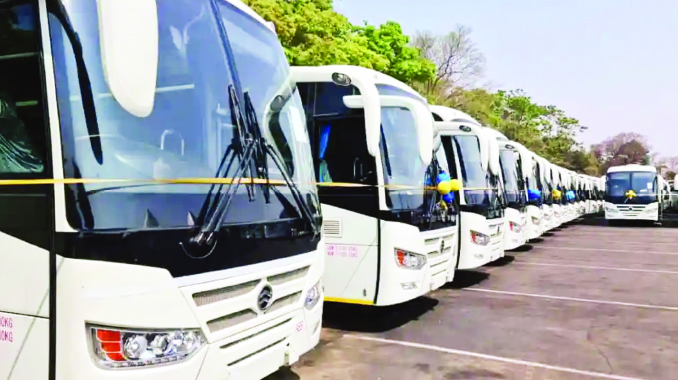
Benjamin Chivandire Correspondent
Like the spine to the human body, the transport sector plays a crucial role in the growth of any given economy.
The more advanced the transport infrastructure, the more likely the economy will grow and vice versa.
The quality of infrastructure in a country is a measure of the quality of its citizens’ lifestyles.
Further, the amount of a nation’s infrastructure has a bearing on sustainable long-term economic growth.
Studies have revealed an increasing correlation between economic opportunities and the mobility of people, goods, and information.
When transport systems are efficient, the multiplier effect in terms of increased economic and social opportunities, better accessibility to markets, employment and additional investments are recorded.
The reverse is also true in that deficiency in the transport system in terms of capacity, or reliability, is associated with an economic cost, such as missed opportunities and lower quality of life.
Efficient transport systems, a reliable energy sector and information communication technology (ICT) infrastructure are vital for facilitating investment and promoting connectivity, industrial development, and economic diversification.
Although some shortcomings persist across all infrastructure sectors, it takes the vigilance of the Government to swiftly rectify the situation in the shortest possible time.
At micro levels, transport is related to production, consumer, and producer costs. Transport at macro levels is associated with the level of employment and income.
Research in developed economies estimate that the transport and logistics, including movement of goods costs, account for between six percent and 25 percent of the Gross Domestic Product.
Consequently, highly integrated multi-modal transport can play a key role in the development of the economy and social sectors.
In the same vein, the public transport sector should, therefore, operate at the highest level of efficiency in line with modernity.
The Zimbabwe United Passenger Company (ZUPCO), should not be caught napping in that regard.
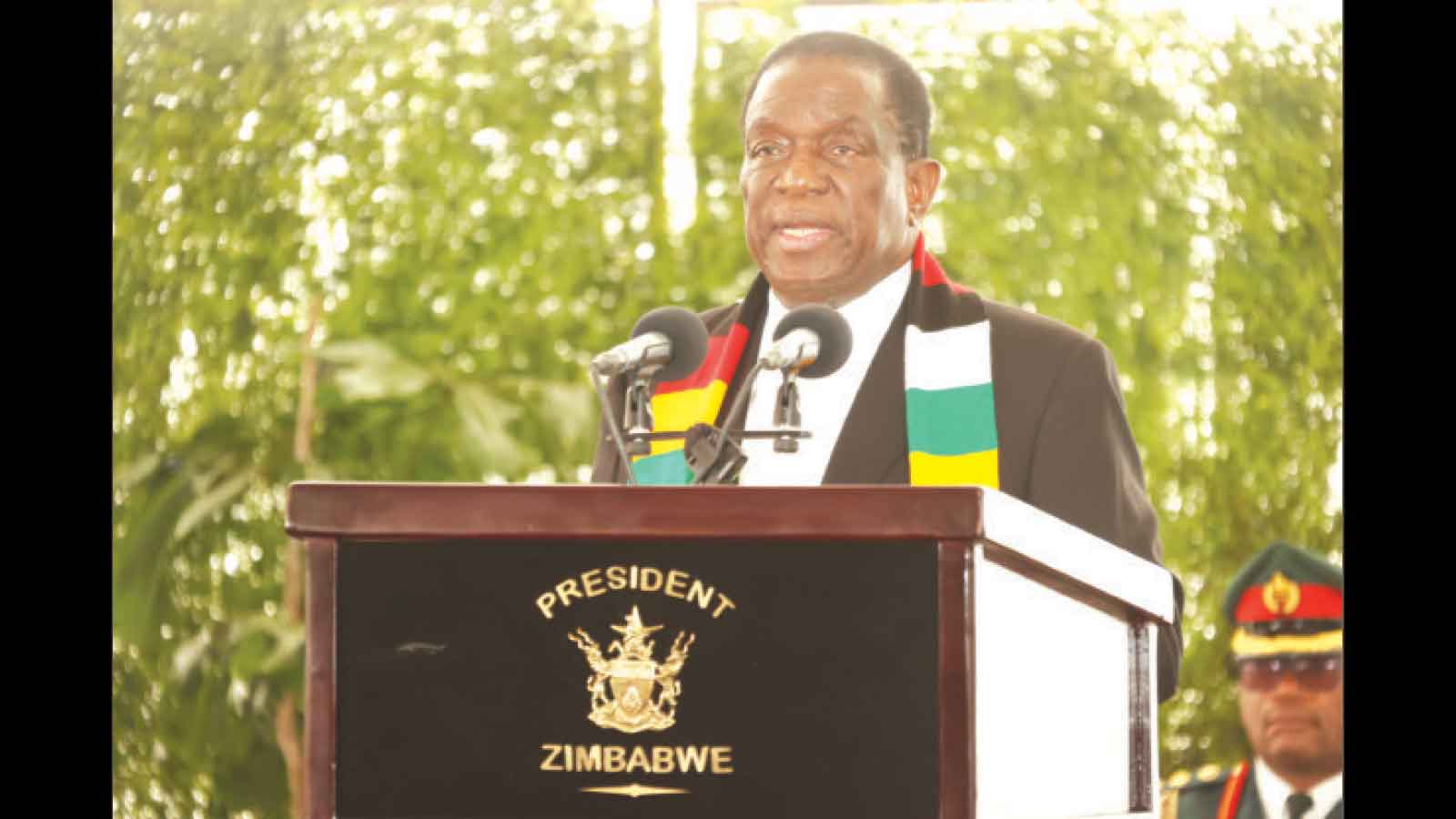
It is, therefore, commendable that last week President Mnangagwa commissioned 115 ZUPCO buses as the Second Republic continues to provide safe, reliable and affordable transport in both rural and urban areas.
The commissioning ceremony was the eighth since January 2019, with 432 buses now added to the ZUPCO fleet in just over two years.
President Mnangagwa urged the public transporter to use its fleet fully, efficiently and properly to provide services in every corner of the country to cater for every Zimbabwean.
He highlighted that the workforce should not spend valuable productive time waiting for transport in queues, and lauded the ZUPCO-National Railways of Zimbabwe partnership to ease challenges faced by commuters in urban areas.
He also stated that more Zimbabwean investors were interested in partnerships with local bus assembly companies.
This was preceded by a visit by Transport and Infrastructure Development Minister Felix Mhona to Dubai in a bid to lure investors from the United Arab Emirates to utilise opportunities to invest in Zimbabwe’s transport and infrastructure sectors.
Dubai is known to be one of the modern miracles in futuristic cities. By building enabling infrastructure, the city became more convenient for trading in the gulf region.
Just like Dubai, 40 years ago, the Second Republic has gained a standing reputation of making Zimbabwe an investment destination through enabling economic policies.
The developmental trajectory of Zimbabwe can also be achieved with tapping into the success stories of the UAE and the Gulf states.
It is critical to note that high-quality infrastructure is a vital input for inclusive and sustainable growth. Infrastructure development provides a stimulant for the economy.
Zimbabwe has vast untapped opportunities that the world can utilise. It is the thrust of the Second Republic to foster an export-led growth economy.
All corners of the world are welcome under the Zimbabwe is Open for Business call. Interestingly, the transport sector is at the core of it.
Partnerships in the transport sector transcends road networks, but also encompass rail and air, with a number of passenger and cargo airlines flocking into the country.
Developments in the rail system are encouraging as they take on a positive trajectory.
Tremendous inroads have been made towards the attainment of the national Vision 2030 of achieving an upper middle-income society by the year 2030.
Through the National Development Strategy 1 (2021-2025), a first 5-year medium term plan aimed at realising the country’s Vision 2030, the Second Republic poises the nation for the big haul as it marches on to prosperity.
Interestingly, according to the World Bank, despite the challenges brought by Covid-19, Zimbabwe’s economy grew by 5,1 percent as compared to the previous year.
In tandem with the NDS1 infrastructure development pillar, the Government of Zimbabwe, through the Ministry of Transport and Infrastructural Development, has undertaken major projects involving ports, roads and airports.
All steps to make sure that Vision 2030 is achieved are being taken to put the country firmly on the global scene.
With the foundation having been built within a short period of four years under the Second Republic, there is optimism that Zimbabwe will be a shining star in Southern Africa in terms of infrastructural development.
Illegal economic sanctions imposed on the country by some Western countries for more than two decades have made the journey cumbersome, with pseudo opposition parties joining in, but the New Dispensation continues to out-step the machinations of detractors.
This speaks volumes about the domestic processes put in motion by the Second Republic in a bid to develop the country in the face of constant persecution aimed at effecting regime change.
As investors land in Zimbabwe, the first place they see is airport infrastructure, and essentially there is tremendous expansion and renovation of airports as enshrined in the NDS 1.
The jump in Government-led investment is breaking ground on major expansion projects in roadways and airports.
Transport infrastructure, therefore, is central to economic growth and the realisation of Vision 2030.



 Online Reporter