

 Online Reporter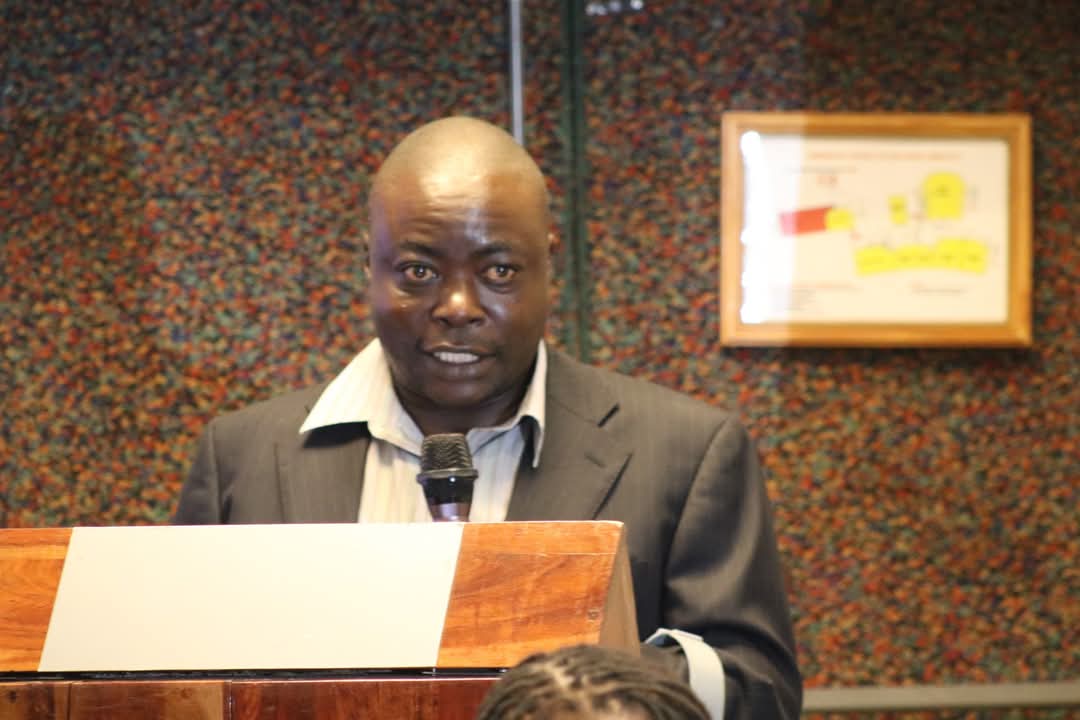
Peter Tanyanyiwa-Herald Correspondent
ZIMBABWE today joins the world in commemorating World Suicide Prevention Day, observed every year on September 10, amid growing calls for governments to treat suicide as a public health emergency.
In a joint statement issued in Harare, the Federation of Organisations of Disabled People in Zimbabwe (FODPZ) and the Zimbabwe National Mental Health Association (ZIMNAMH), working with local and international partners under the Rights in Action Project, urged authorities to prioritise mental health in national planning.
The coalition emphasised that suicide, which claims nearly 740 000 lives globally each year, can be curtailed if countries invest in timely support, awareness and inclusive health services.
FODPZ National Director, Mr Leonard Marange, said Zimbabwe must take urgent steps to strengthen its mental health response.
“We cannot continue to lose lives every day to something that can be prevented. Suicide must be treated with the same urgency as other national emergencies. If we invest in mental health, if we protect the rights of people with psychosocial disabilities, we can create a society where no one is left behind,” he said.
The coalition called for comprehensive reforms, including the swift passage of the Persons with Disabilities Bill, expansion of community-based mental health services, and a strong national campaign to reduce stigma.
Advocates also urged that suicide prevention be woven into Zimbabwe’s existing National Disability Policy and National Development Strategy, ensuring the issue receives the resources and visibility it deserves.
This year’s commemoration is being marked under the global theme “Changing the Narrative: Fostering Hope Through Action,” which has been adopted worldwide by the World Health Organization and the International Association for Suicide Prevention.
In Zimbabwe, campaigners said the message was clear: hope can only take root if it is backed by action at both government and community level.
“Every suicide represents not just an individual loss, but the loss of potential for families, communities and the nation as a whole,” said Marange.
“By changing the narrative, we affirm that every life matters and that mental health must be a national priority.”



