Online Reporter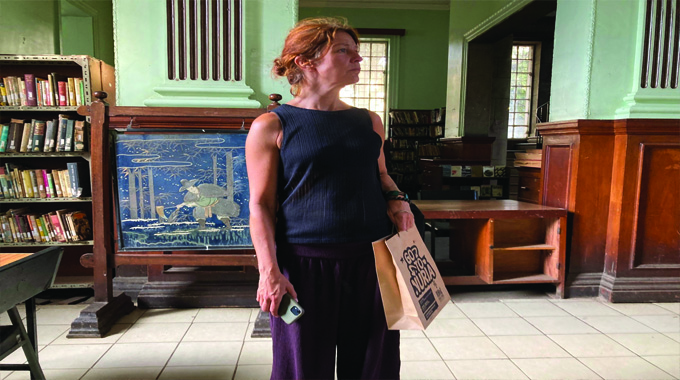
Mbulelo Mpofu, Zimpapers Arts and Entertainment
AS Zimbabwe prepares to commemorate Heroes’ Day and Defence Forces Day, a significant literary collaboration is taking place far from its borders. Bulawayo-based author Philani Amadéus Nyoni is in Nairobi, Kenya, working with Swedish literary polymath Karolina Jeppson to craft a powerful tribute to the late Ngugi wa Thiong’o.
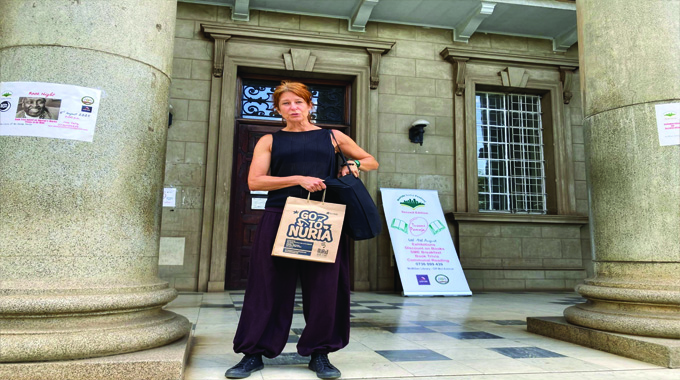
Supported by the Swedish Authors’ Foundation, this partnership brings together different cultures and perspectives to honour a literary giant whose legacy transcends national boundaries.
Ngugi wa Thiong’o, who passed away on May 28, left an indelible mark on the literary world. Renowned for his sharp critiques of colonialism and the post-colonial African nation-state, his work chronicled Kenya’s journey over six decades. His revolutionary commitment to writing in native languages, particularly Kikuyu, was a deliberate act that challenged the dominance of colonial tongues.

Nyoni reflected on the privilege of writing about such a figure, having previously penned tributes to other icons like Chinua Achebe and Pathisa Nyathi.
“I’m not trying to be the official pallbearer or write requiems like the other Amadéus. I just find myself in these positions to express gratitude for the immortal gifts we have been given,” Nyoni remarked.
Writing about Ngugi is no small feat, with Nyoni describing it as “one of the hardest things” he has undertaken. He feels buoyed, however, by Jeppson’s partnership and the community they have encountered in Kenya. Jeppson echoed this sentiment, highlighting the diverse perspectives they’ve engaged with.
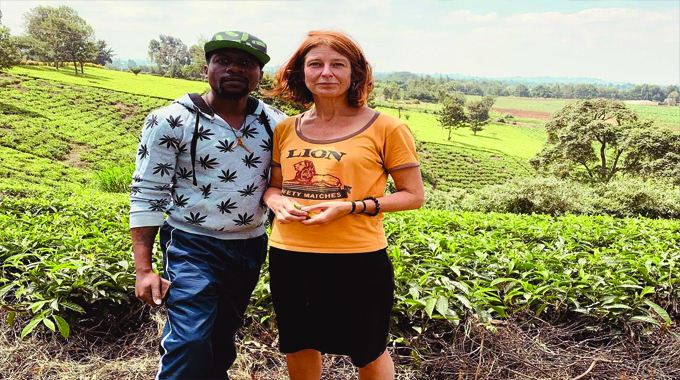
“There is a lot to interrogate,” she noted. Their collaborative effort seeks to navigate the emotional weight of Ngugi’s legacy while honouring its profound cultural significance for Kenyans.
“I think the most rewarding aspect of this collaboration is the fact that we come from different literary and language backgrounds. I have read and written about literature in Africa for many years, but I am still a mzungu (a white person) on the continent, and questions arise for me when it comes to experiences of cultural memory . . . and what it means to be living in a post-colonial country,” Jeppson said.
Ngugi was more than just a writer; he was a cultural revolutionary. His advocacy for literature in native languages raises critical questions about the current state of African literature. Jeppson highlighted the cultural depth embedded in language, recalling how Ngugi, while imprisoned, deliberately chose to write his novel Devil on the Cross in Kikuyu.

“Languages die if they are not used,” she stated, referencing his powerful act of defiance. Nyoni added that while English offers versatility, it also carries colonial baggage that cannot be ignored.
As they delve into Ngugi’s experiences with colonialism and his subsequent imprisonment, both Nyoni and Jeppson acknowledge the timeless lessons his life offers to contemporary writers and activists. Nyoni drew a parallel between the grievances of today’s youth and those articulated in Ngugi’s earlier works, asserting that “Ngugi will always have a space.” Their work aims not only to honour Ngugi but to inspire a new generation of thinkers and creators.
Nyoni underscored the importance of cultural sensitivity in their work.
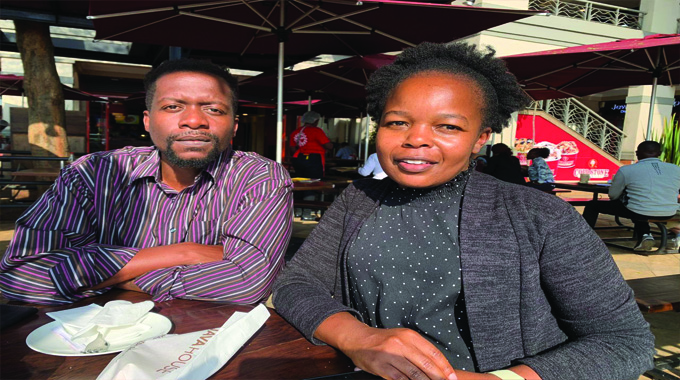
“Ngugi is a Kenyan; we do not want to impose our foreign sensibilities on him and his people,” he explained.
The duo is acutely aware of the expectations surrounding Ngugi’s legacy and is determined to approach it with respect and authenticity. Their journey has taken them through a landscape rich with stories and memories of Ngugi, and they have met with various Kenyan writers and researchers, including James Murua and Lutuvini Majanja, which Jeppson described as a “joyful and fruitful collaboration.”

“Its important work, and very few things that matter or are meaningful are easy to pull off,” Nyoni said.