admin
admin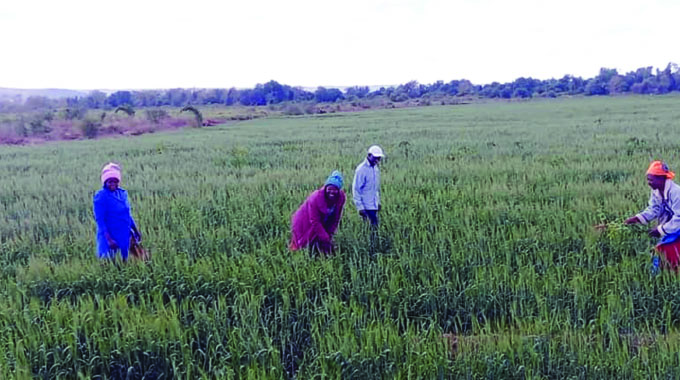
Thupeyo Muleya Beitbridge Bureau
After 15 years of watching in agony the demise of a once vibrant irrigation project in the Tshikwalakwala area, some 130km east of Beitbridge town, the community is happy again after the revival of the 65-hectare project.
The project has been revived by the Government through a partnership with the International Fund for Agricultural Development (IFAD), and the injection of US$1 million to rehabilitate the project.
Work to revitalise the agriculture venture started in 2019 and was completed in September 2021.
The 126 plot-holders working with the Department of Agriculture Extension Services have cleared 30 hectares under phase one, on which they have been planting maize, soya beans and wheat, since 2022.
The crops are being supplied to the Grain Marketing Board and the local Beitbridge market.
At the moment the farmers have put 12,5 hectares under winter wheat, while preparations for summer crops are underway.
Government intervened to save the irrigation project from total collapse through the seven-year Smallholder Irrigation Revitalisation Programme (SIRP).
Under the programme, the Government has been able to mechanise the irrigation system, constructing two ground-mounted solar plants with an output capacity of 75 kilowatts and 54 kilowatts.
They have also drilled eight more boreholes to add to the previous three, which used to provide irrigation water to the project.
It is understood the solar plants have capacity to irrigate 1 000 hectares and provide power to the local business centre.
The project was handed over to the community last year.
Said a plot holder, Mr Aaron Baloyi: “We are grateful that the Government and its partners who have come to our rescue and we are considering erecting an electric fence as a long-term plan to deter wild animals from destroying key infrastructure and crops.
“As a community, we also commend the Government for its intervention considering that one of the major sources of livelihoods for us had ground to a halt.”
Before the intervention, Mr Baloyi said farmers used to operate on three diesel powered pumps and buying diesel for the project was a headache for many years.
He said some plot-holders had started pulling out because of the state of affairs, but they are now returning.
When the project started running last year, it had 113 plot-holders and the number now stands at 126 people.
“Following the first maize harvest, most plot-holders had started tilling the land and are now seeing value in the project,” said Mr Baloyi.
While they await the completion of land clearance on the remaining 35 hectares, each plot-holder is farming on 0.2 ha plots.
There is also a proposal to extend the current 65 hectares to 90 hectares in a setup where 25 hectares will be put under citrus.
“As women you will note that we carry the larger part of the social burden and it is pleasing that after such a big investment by the Government, we are able to get an extra revenue stream,” said a plot-holder Mrs Saliwe Sithole.
She said the use of renewable energy at the project had cut some operational costs for them.
Mrs Sithole said the adoption of irrigation-based farming, ensures they are able to grow crops throughout the year.
Two thirds of the plot-holders are women, and most of them are now getting extra revenue, uplifting their living standards in the process.
Another farmer, Mr John Sibanda who is a member of the Irrigation Management Committee (IMC), also said: “The construction of two ground solar plants has in some way helped us to address power supply challenges to enable us to water crops consistently.
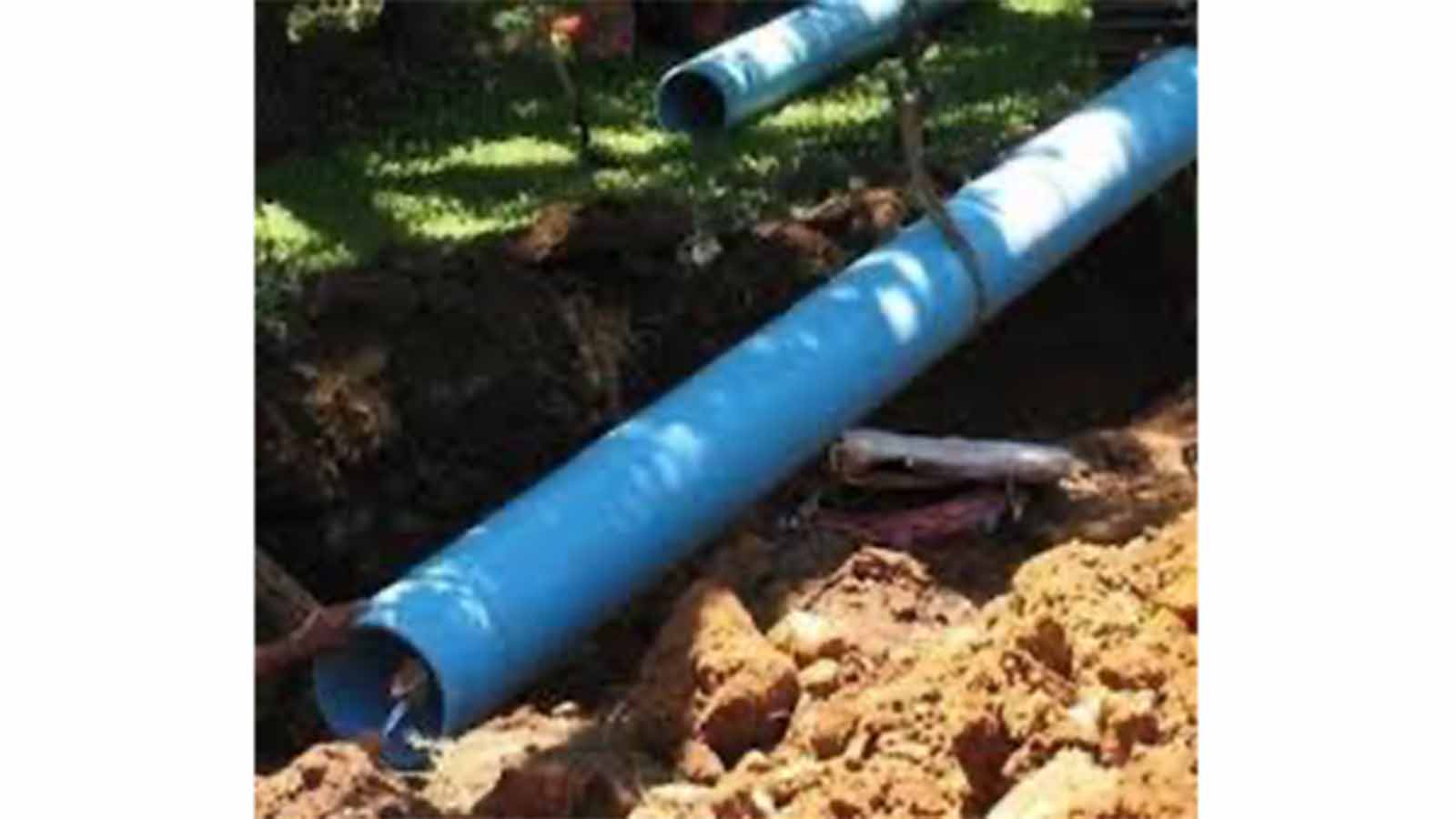
“You will note that the introduction of surface piped water was a better way of conserving water considering that most canals had succumbed to wear and tear.”
Mrs Lissie Hathlani said the revitalisation of the project had brought relief to many farmers around Ward 1.
She said most farmers were getting more produce from both the irrigation-supported plots and their dry land fields.
Mrs Hathlani said most male farmers who had started giving up on their plots were now riding along with other farmers.
The communal irrigation project was started in the 1960s and has been grounded for a long time, due to a number of challenges.



 Online Reporter