Chronicle Editor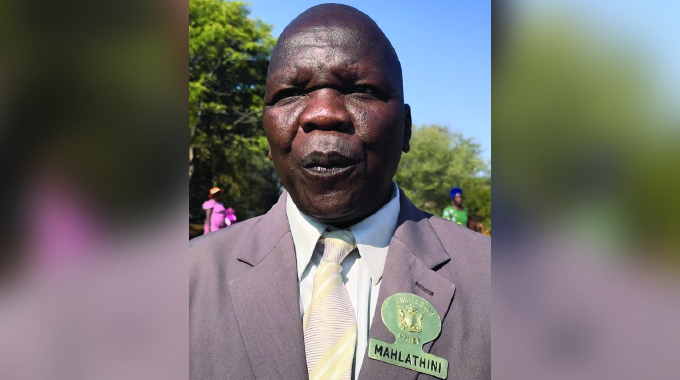
Sikhumbuzo Moyo, [email protected]
CHIEF Mahlathini of Tsholotsho in Matabeleland North has lashed out at parents and guardians who fail to pay school fees for their children and has ordered village heads in his jurisdiction to reprimand such individuals.
In a recent interview, the traditional leader, with 166 village heads under his command, said it was worrying that some parents have large herds of livestock but would still not pay school fees for their children.
Instead, some would want to have them under the Basic Education Assistance Module (Beam), a Government scheme that was introduced in 2001 mainly targeted at assisting orphans and vulnerable children of school going age.
“Paying school fees is every parent’s obligation. Schools need the money to effectively function but some parents do not exercise their role in this regard,” said Chief Mahlathini.
“Yes, I understand that some will genuinely not be having the means but we have people in our society with means but who choose not to pay school fees, some are always seen drinking beer almost daily. That is unacceptable,” he added.
Chief Mahlathini said he has since spoken to school heads and advised them to engage village heads for assistance in making sure parents pay school fees, especially those who are known to be having material means to pay.
At the beginning of this term, Chief Mahlathini held a meeting with village heads at Dinyane Secondary School, which was also attended by the District Schools Inspector.
“Government policy is very clear that children must not be chased away from school for non-payment of school fees but that must not be abused. We have Beam but that scheme is not meant for people of material means,” he said.
“Infact, Beam has no child, it is our responsibility as parents to raise money and pay school fees for our children. We always cry when our schools produce poor pass rates yet some of the reasons behind this is lack of adequate educational material because these schools can’t afford to buy anything due to zero budgets.
“We can’t afford to continue having uneducated children in our district, something which is partly due to lack of resources in our schools, not that our teachers are not doing their work,” said Chief Mahlathini.
According to a recent report by the Zimbabwe Livelihood Assessment Committee (ZimLac), 39 percent of children in Matabeleland North were sent away from school for non-payment of school fees with the highest figure being in Binga District with a rate of 70 percent, followed by Tsholotsho and Umguza who have 45 and 43 percent, respectively.

Chief Mahlathini becomes the second traditional leader in recent years to lash out at parents who are not paying school fees after Chief Maduna of Insiza District in Matabeleland South province.
In February this year, Chief Maduna, born Dambisamahubo Mafu, called on parents and guardians to fulfil their obligation of paying school fees for their children saying failure to do so is crippling operations and learning progress.
A former accounts teacher, Chief Maduna said paying school fees on time is every parent or guardian’s duty while the right to education for every child is enshrined in the Constitution.
He said it was disheartening that some parents were failing to pay fees for their children, which cripples the development of both the child and the schools, further adding that most schools in his area of jurisdiction were not in good shape in terms of infrastructure hence some were being shunned by teachers.



 Online Reporter