Sikhumbuzo Moyo
[email protected]
TSHOLOTSHO community members have launched an ambitious initiative to rehabilitate the badly damaged Bulawayo-Tsholotsho Road, setting a target of raising 36 000 litres of diesel by the end of next month to support the community-driven project.
The initiative, spearheaded by residents and members of the Tsholotsho diaspora, has already received backing from relevant Government departments, as well as Tsholotsho and Umguza Rural District Councils, which will provide road construction equipment, technical expertise and operational support.
Traditional leaders have also thrown their weight behind the programme, reflecting the Second Republic’s philosophy that Ilizwe lakhiwa ngabanikazi balo (a nation is built by its people).
Chairperson of the organising committee, Botswana-based businessman Mr Cephas Tshuma, said the response from the community and business sector had been overwhelming, giving organisers confidence that the fundraising target would be achieved.
“There is a huge interest in this project. We shall be transparent in our dealings and this is being done in consultation with the Government and other relevant departments, including our chiefs from the district,” said Mr Tshuma.
He said accountability would be at the centre of the initiative, with regular updates on fuel contributions and progress to ensure every stakeholder remains informed.
The rehabilitation exercise will focus on a 90-kilometre stretch of the road and will include spot dumping, shoulder grading and full grading of damaged sections.
Work will be carried out in manageable 23-kilometre sections, with operations commencing simultaneously from both the Bulawayo and Tsholotsho ends. At least two independent teams will be deployed, each responsible for one half of the road to accelerate completion.
To avoid delays, gravel will be stockpiled before the commencement of grading works, ensuring adequate material is readily available throughout the project.
Spot dumping involves transporting and placing gravel or crushed stone in targeted areas where the road has developed deep potholes, depressions, edge breaks and severe rutting, rather than spreading material along the entire length of the road.
Shoulder grading, on the other hand, entails reshaping, smoothing and compacting the gravel or earth surface adjacent to the roadway using a motor grader. This improves drainage, enhances road safety and prevents further deterioration of the carriageway.
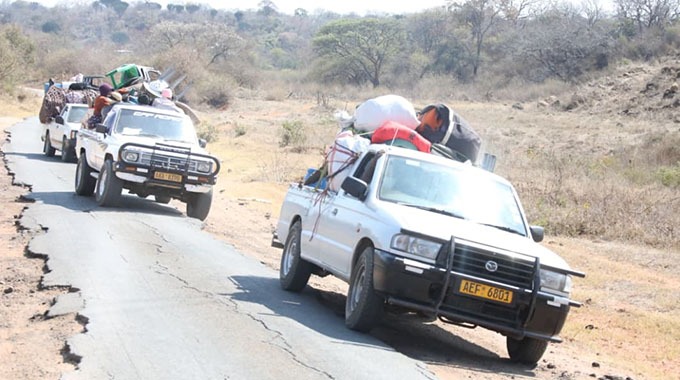
Residents say the Bulawayo-Tsholotsho Road has deteriorated significantly over the years, affecting the movement of people, agricultural produce, school children and business traffic. Motorists have frequently complained about the poor state of the road, which has resulted in increased vehicle maintenance costs and longer travelling times.
Community leaders believe the rehabilitation exercise will improve accessibility, boost economic activity and complement Government efforts to upgrade the country’s road network. They have appealed to individuals, companies and members of the Tsholotsho community living both locally and abroad to contribute fuel or financial resources towards the initiative.
Organisers expressed optimism that with the continued support of residents, the private sector and Government partners, the project would significantly improve one of Matabeleland North Province’s key transport links.