

 Online Reporter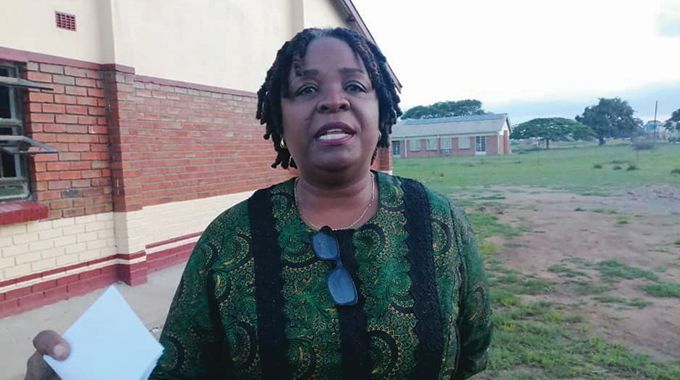
Mbulelo Mpofu in Tsholotsho
AFTER attending the premiere of Iphupho Lami, a film by local filmmaker Pascar Ncube at the Better Schools Programme of Zimbabwe (BSPZ), Honourable Musa Ncube, the Deputy Minister of National Housing and Social Amenities and Tsholotsho South Legislator, praised President Mnangagwa for the Government’s ongoing efforts to enhance broadcasting and information dissemination across the nation.
Ncube, who was the guest of honour at the film premiere, highlighted the recent commissioning of a new educational radio station, “Luzibo Radio,” by the Zimbabwe Broadcasting Corporation (ZBC) as the catalyst for communities in rural set-ups to be seen.
Officially launched earlier this month, Luzibo Radio aims to serve as an educational platform, presenting opportunities for local content creators to showcase their work.
This initiative aligns with the Government’s commitment to improving access to information, especially in rural communities like Tsholotsho.
“The commissioning of radio and television stations gives our talented content creators a chance to have their works featured on the national broadcaster,” Ncube remarked, underlining the importance of inclusive media representation.
She emphasised that such platforms will not only foster local talent but will also provide critical information to empower communities.
In an important aspect of the film’s message, Ncube noted that Iphupho Lami confronts the pressing issue of drug and substance abuse.
This theme resonates deeply with the Government’s ongoing campaign against these societal challenges.
With the growing issue of substance abuse affecting many communities, initiatives like these demonstrate the need for storytelling that is both engaging and educative.
Ncube further mentioned, “Tsholotsho is on the cusp of having content from the area lighting up on local television, erasing the negative connotations attached to Tsholotsho. We need to get these negative connections erased and show the good side that Tsholotsho has.”
This statement reflects her belief in the transformative power of media as a tool for positive change and a means to reshape perceptions.
Locally referred to as “Iziqholo zeZhwane,” which loosely translates to “stiff-necked people from Tsholotsho,” the community has often battled stereotypes that undermine its narrative.
Through platforms like Luzibo Radio and initiatives to broadcast local content, there is hope that Tsholotsho can redefine its image and showcase its rich cultural heritage.
The Government continues to invest in broadcasting and information dissemination and Ncube’s sentiments echo a broader vision for a more inclusive and empowering media landscape, reinforcing the need for communities to tell their own stories and share their unique experiences. — @MbuleloMpofu



 Bongani Ndlovu