


 Online Reporter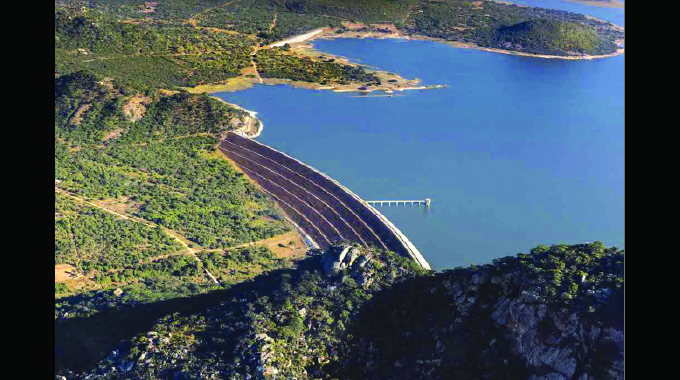
George Maponga-Masvingo Bureau
THE final Tugwi-Mukosi combination master plan will be gazetted soon following extensive consultations with stakeholders, as part of efforts by the Second Republic to ensure Zimbabwe’s largest inland water body is fully utilised to drive socio-economic transformation.
The dam, commissioned in May 2017, has a capacity of 1,8 billion cubic metres and holds vast irrigation potential critical for unlocking growth in Masvingo province and beyond.
Some of the country’s top universities, led by the University of Zimbabwe, were involved in drafting the combination master plan, which consists of a spatial master plan and an irrigation master plan.
The draft was displayed publicly in Chivi and Masvingo districts for 60 days to allow residents and other stakeholders to make submissions to Local Government and Public Works Minister Daniel Garwe before gazetting.
During this consultation period, communities around the dam, represented by the Tugwi-Mukosi Residents Association (TMRA), raised concerns about certain projects such as a proposed game park and golf courses, warning that these developments could lead to fresh displacements.
Already, more than 4 000 families from Masvingo and Chivi districts were relocated from their ancestral lands after the dam basin flooded, marking the largest mass relocation in post-independence Zimbabwe.
TMRA has expressed fears of further evictions if the master plan is approved in its current form.
Permanent Secretary for Masvingo Provincial Affairs and Devolution Dr Addmore Pazvakavambwa yesterday confirmed that stakeholder submissions were being reviewed by technical experts.
“The submissions by stakeholders are under consideration by technical experts in Government, who will soon send a final report to the Minister of Local Government and Public Works for final approval,” he said.
“The objections and concerns of stakeholders were taken note of and the report that will be sent to the Minister of Local Government will include interventions to circumvent some of the seemingly insurmountable concerns raised by stakeholders.
“If the minister is satisfied with the suggested interventions, then he will approve and the combination master plan will be gazetted, and the rest will be history.”
Dr Pazvakavambwa said concerns raised by affected communities will not be ignored, as solutions were being incorporated into the final plan to prevent unnecessary displacement.
In its submissions, TMRA commended the Government for constructing the dam, noting its potential to drive irrigation development and socio-economic growth.
The association urged Government to prioritise irrigation schemes that directly benefit local communities rather than projects such as a game park, which they described as a misplaced priority.
TMRA criticised what it called inadequate consultation during the drafting of the plan, while disputing fears that irrigation projects near the dam basin would cause pollution or flooding.
Tugwi-Mukosi Dam is a key pillar of the Lowveld Integrated Irrigation Development Master Plan, which envisions creating a vast 200 000-hectare greenbelt under sugarcane, citrus and lucerne across Mwenezi and Chiredzi.
The project seeks to harness water from Tugwi-Mukosi, alongside other idle reservoirs in the region, to transform the Lowveld into a hub of agricultural production.



 Bongani Ndlovu