Online Reporter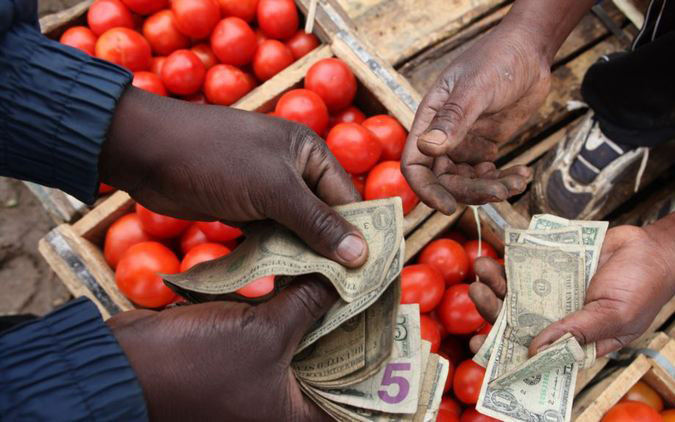
Word from the Market
Tina Nleya
Every year, as Zimbabwe approaches the festive season, agricultural markets begin to shift in predictable but often underutilised ways.
Christmas and New Year celebrations are characterised by increased household consumption, social gatherings, weddings and ceremonies, all of which drive heightened demand for specific agricultural commodities.
Beef, chicken, cabbage, onions, baby corn and other horticultural produce experience notable spikes in demand during this period, particularly in major urban centres such as Harare and Bulawayo.
For farmers who anticipate these seasonal patterns, the festive season presents a clear opportunity to improve incomes.
For those who do not, it often becomes a missed chance to translate hard work into meaningful returns. Festive season demand is not accidental. It is driven by social, cultural and economic factors that repeat themselves year after year.
December is peak wedding season in Zimbabwe, with many families choosing to hold ceremonies after the November period, which is traditionally avoided.
Weddings, combined with holiday travel, family reunions and end‑of‑year functions, significantly increase demand for food.
Urban households also tend to spend more during this period, supported by bonuses, savings and remittances from the diaspora.
As Zimbabweans return home, food markets become busier, bulk purchases increase and prices firm up. In Harare, markets such as Mbare Musika typically record some of their highest trading volumes in December. Vendors often report selling double their usual quantities of vegetables, poultry and meat compared to earlier months.
Similarly, Bulawayo’s fresh produce and livestock markets experience heightened activity as households prepare for celebrations.
Poultry and beef are particularly sought after, with butcheries and traders stocking up weeks in advance in anticipation of the festive rush. This consistent pattern highlights an important lesson for farmers: festive demand is predictable and, therefore, it can be planned for.
Historical market trends confirm that December is one of the most lucrative months for certain commodities.
Beef prices, for example, have historically peaked during the festive period due to increased demand for slaughter stock.
In previous years, prices for premium beef cuts rose sharply in December before easing in January once demand subsided.
Poultry follows a similar trend, with broiler prices firming up in the weeks leading up to Christmas.
Horticultural produce such as cabbage and onions also record stronger prices during this time, driven by bulk purchases for weddings and social gatherings.
These trends demonstrate that markets reward farmers who align production with seasonal demand cycles. However, capturing festive demand requires more than simply producing more.
It requires planning, timing and market awareness.
Poultry farmers, for instance, must plan chick placement several weeks in advance to ensure birds reach market weight by December.
Vegetable farmers can stagger planting dates to ensure a continuous supply during peak demand, while livestock producers can manage feed and body condition to sell animals at optimal weights when prices are strongest.
Input availability is another critical consideration.
As many farmers prepare for festive markets at the same time, shortages of inputs such as chicks, seed and feed are common.
Securing inputs early helps farmers avoid disruptions that can derail production plans.
Equally important is early engagement with markets.
Farmers who establish relationships with buyers, butcheries, caterers and aggregators ahead of time are better positioned to secure favourable prices and avoid last‑minute distress sales.
The festive season also exposes the risks associated with informal and unstructured markets.
High demand often attracts opportunistic middlemen who exploit information gaps, offering low prices or delaying payments.
Farmers who are organised, registered and linked to structured markets are better protected and more likely to secure consistent buyers.
Quality and compliance also matter. During periods of high demand, buyers become more selective, favouring well‑graded produce and properly conditioned livestock.
Meeting market standards enhances farmer credibility and increases the likelihood of repeat business. As farmers look beyond the festive season, it becomes clear that seasonal demand should not be viewed as a once‑off event but as part of a recurring cycle.
Christmas, Easter, school opening periods and winter vegetable seasons all follow discernible patterns.
Farmers who keep simple records of prices, volumes sold and buyer behaviour begin to build their own market intelligence over time.
This knowledge becomes a powerful planning tool.
It is within this context that agricultural information systems become increasingly important.
The Agricultural Marketing Authority’s Agricultural Information Repository System (AIRS) is designed to strengthen access to reliable, timely and aggregated agricultural data across the value chain. By consolidating information on production, market prices, commodity flows and demand trends, AIRS will support better forecasting of seasonal demand.
For farmers, this means access to clearer market signals that inform what to produce, how much to produce and when to sell.
Through AIRS, historical price and volume data from markets such as Harare and Bulawayo can be analysed to identify recurring seasonal trends. This enables evidence‑based planning rather than guesswork.
As the system matures, it will also support real‑time dissemination of market information through digital platforms and communication tools, ensuring that farmers are better equipped to respond to changing market conditions.
Ultimately, the festive season underscores a broader truth about agriculture: production alone is not enough. Profitability depends on timing, information and market alignment.
Farmers who anticipate demand, plan production cycles and utilise reliable market intelligence are better positioned to benefit from seasonal opportunities.
As Zimbabwe continues to promote market‑led agriculture, systems like AIRS will play a critical role in ensuring that farmers are not merely producers, but informed market participants capable of turning seasonal demand into sustainable income.
Tina Nleya is AMA’s marketing and public relations manager. She can be contacted on email: [email protected]. Word From The Market is a column produced by AMA to promote market-driven production.