Online Reporter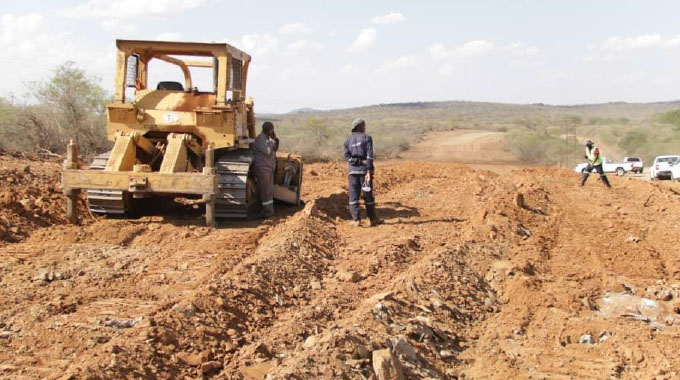
Sione Amidu, [email protected]
THE road between Gwanda and Maphisa used to test the patience of even the most seasoned driver.
For years, it was a journey people endured rather than enjoyed, marked by potholes, tyre bursts and sudden breakdowns that could turn a short trip into an all-day struggle.
Motorists grew used to the frustration, navigating the crumbling surface with caution and a fair bit of luck. But after the hosting of the country’s 46th Independence Day celebrations at Maphisa growth point, many now say that story has finally begun to change.What was once a difficult stretch has started to ease, and drivers are the first to notice.
The Independence celebrations did not just bring crowds and colour to Matabeleland South – they left behind something more lasting.
Across the province, the Government rolled out a range of high-impact projects that are already making a difference in people’s daily lives.
Schools have been built, roads improved, and communication networks expanded, making it easier for communities to stay connected.
Health care services have been upgraded, while housing, civil registry services, and water and sanitation issues have also received attention across the province’s 12 constituencies. For motorists, however, the most immediate change has been on the roads themselves.
For years, the routes linking Brunaburg and Kezi, Bulawayo and Kezi, and Gwanda to Maphisa have been a constant source of frustration. Public transport operators gradually pulled out because of the damage to their vehicles, leaving only a few private operators behind.
With little competition, fares rose sharply, putting travel beyond the reach of many ordinary people. A simple trip became expensive, unpredictable and tiring.
That is why this year’s Independence celebrations felt like a turning point, especially for those who use the Gwanda-Maphisa road.
In preparation for the national event, the Government pushed to improve the road, and the results are already being felt.
About five kilometres of the existing road were resealed, and a new 10-kilometre stretch was constructed. It may not sound like much on paper, but for drivers, it has made a real difference.
The road is now smoother, safer and far easier to travel. The improvement is not just about comfort – it is about opportunity too. Better roads mean easier movement of people and goods, which can help boost economic activity in the area. Communities that once felt cut off are now more connected, and that opens doors to services, markets and jobs.
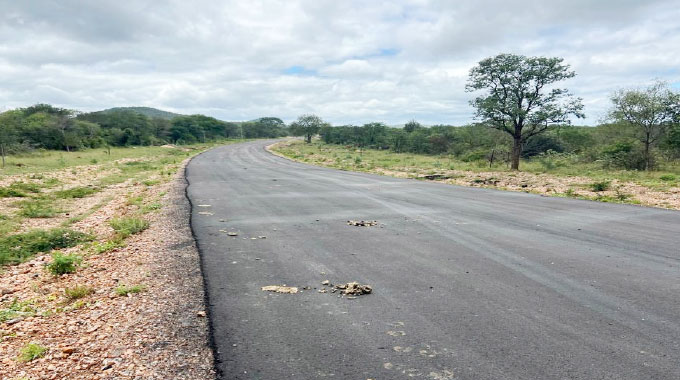
Many road users have welcomed the changes. “We appreciate the work on the ground, the road is now trafficable,” said one motorist from Beitbridge, summing up what many feel. Ward 5 councillor in Gwanda North, Lismat Simbarashe, said the rehabilitation work has addressed the problems drivers faced for years. He also praised the Second Republic for making sure the projects linked to the celebrations were carried through.
“The road is now in a good condition, although it has not been fully tarred. However, people accessed Maphisa without any difficulty or challenge during the national independence celebrations,” said Simbarashe. He also pointed out that the project brought some much-needed employment to local communities.
“At the same time, we note that the road construction project created employment opportunities for people living between Gwanda and Maphisa, especially in the Mvana village and Konongwe villages. What is outstanding in some sections of the road are road signs, the upgrading of bridges and surfacing”.
While there is still work to be done, the progress so far has made a clear difference. Travel is now quicker, safer and less costly for motorists.
“It enhances regional connectivity and economic growth,” said the councillor.
Pastor Phillip Sibanda, the Matabeleland South provincial for Pastors for Economic Development coordinator, also welcomed the improvements, saying they made a noticeable difference during the celebrations.
“We travelled faster and safer between Gwanda and Maphisa during the 46th independence celebrations.
“The rehabilitation of the road that links the two areas has directly addressed the problems drivers faced for several years.
“The complementary works in Maphisa form part of the Government’s deliberate, lasting investment in the district under the decentralization agenda,” he said.
And it is not just the road that has changed. Maphisa itself has seen new developments, including the construction of a stadium and other infrastructure upgrades.
These changes are part of a broader push to bring development closer to communities, rather than concentrating it in big cities.
For those who travel the Gwanda-Maphisa road, the difference is already clear. What was once a stressful and uncertain journey is slowly becoming manageable again. It may not be perfect yet, but it is a big step forward – and for many motorists, that is more than enough reason to appreciate how far things have come.