Vusumuzi Dube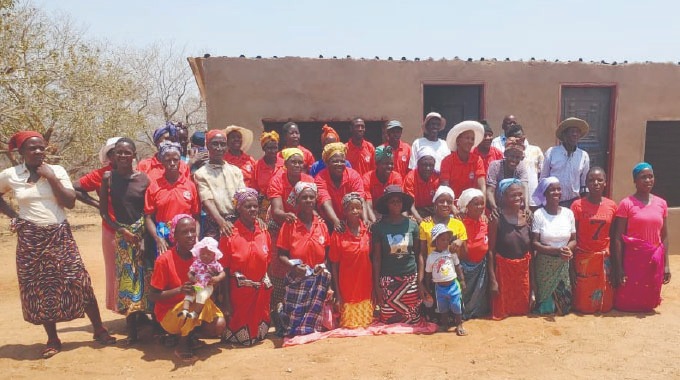
Theseus Shambare, Features Writer
THE diesel grinding mill hums to life in Chemba Village, cutting through the crisp morning air of Binga in Matabeleland North Province.
Women arrive steadily, balancing buckets of millet on their heads. Some carry cash, but many bring a gallon of grain — the village currency for milling.
Here, grain is more than food; it is wealth, trade and survival.
Binga is classified as semi-arid, with rainfall declining by 10 to 15 percent over the past 20 years, according to the Meteorological Services Department.
Maize yields have fallen by up to 60 percent during drought years.
Roughly two-thirds of households live below the poverty line.
Women bear the brunt of this crisis, managing fields and households while often lacking access to credit, extension services and secure land tenure.
In Matabeleland North, women account for about 52 percent of all smallholder farmers, yet fewer than 20 percent have access to formal credit.
Amid these challenges, 26 women in Chemba are showing that resilience, preparation and unity can conquer even the harshest climate adversity.
They call themselves Twalibambila — Tonga for “We Are Prepared to Conquer.”
Before development partners arrived, Twalibambila women had already taken steps towards empowerment.
They pooled contributions into a revolving fund and launched a backyard poultry project.
Broilers were raised in small coops built from locally available materials.
“We started with very little,” said Ms Matilda Munsaka, the group’s executive secretary.
“We built small fowl runs at our homes and used whatever we had. The aim was just to support our families.”
Even in those early days, the women were thinking beyond survival — they were planning for a future in a region where climate change had made agriculture a gamble.
Their initiative caught the attention of the Zimbabwe Red Cross Society (ZRCS) in 2022, which was implementing the Climate Smart Resilience (CSR) programme in partnership with the Finnish and Danish Red Cross in 2022.
The programme strengthens local livelihoods while building climate resilience.
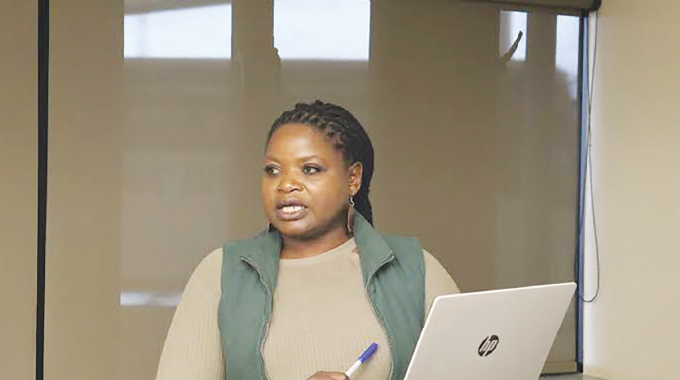
“Communities already have knowledge and ideas. Our role was to support and strengthen what they had started,” said CSR district officer, Mrs Spiwe Sibanda.
Binga’s erratic rainfall and recurring droughts have made maize unreliable.
The women shifted to small grains such as millet and sorghum — crops resilient to dry conditions.
They also adopted Pfumvudza/Intwasa conservation agriculture techniques, planting on small, well-managed plots to maximise yields and conserve soil moisture, often inter-cropping with legumes to restore fertility.
“Before, our harvests were small because we depended mostly on maize.
“Now, we are growing small grains and using climate-smart methods,” said Ms Munsaka.
“We are producing more food for our families.”
United Nations’ Food and Agriculture Organisation (FAO) studies suggest that these techniques can increase yields by 200 to 300 percent even in drought-prone areas.
Twalibambila now harvests an average of 1,5 tonnes of millet per hectare, compared to the regional average of 0,5 tonnes per hectare for traditional maize under rain-fed conditions.
The diesel-powered grinding mill installed with CSR support has become the hub of the village and surrounding communities.
Villagers bring buckets of grain to be milled into mealie-meal.
In an area where cash is scarce, a gallon of grain is often accepted as payment and shared among members.
“The mill has improved both our food security and our community cohesion,” Ms Munsaka said.
“It has created an opportunity for people to work together.”
The mill has also provided employment.
Mr Test Nyoni, 29, now operates the machine.
Before, he had considered leaving for the city in search of work.
“This job has helped me stay here and support myself. I do not have to leave my community,” he said.
The Twalibambila poultry project has grown alongside their grain enterprise.
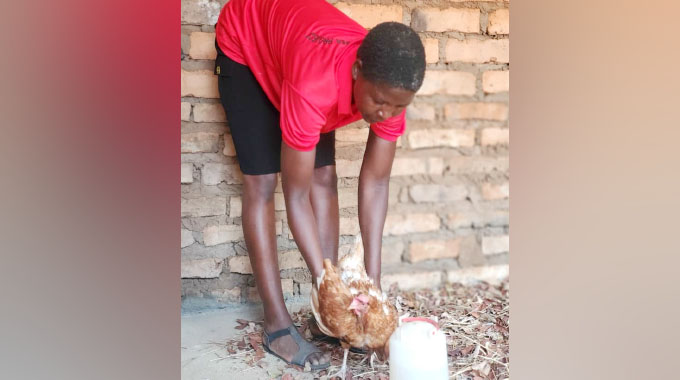
With CSR support, they built a modern fowl run, enabling them to raise broilers alongside indigenous chickens.
They also produce nutrient-rich feed using local ingredients, reducing costs while improving bird health.
The group now sells about 500 broilers per quarter, generating income for 26 households.
In a country where fewer than 20 percent of rural women have access to credit, the group’s revolving fund demonstrates the power of women-led economic initiatives in marginalised communities.
“This project is not just about chickens or milling. It is about ensuring our families have food and income even when the climate changes,” Ms Munsaka said.
Twalibambila’s success offers a blueprint for climate-smart agriculture and women-led empowerment in marginalised districts.
Chemba Village demonstrates that adaptation does not always require large-scale infrastructure — sometimes it begins with determined people, local knowledge and small innovations.
The diesel mill, small grains and poultry projects combine food security, employment and community cohesion.
At the same time, they illustrate the critical role women play in sustaining agriculture, especially in drought-prone areas.
“Programmes like this show that supporting local ideas can drive meaningful change. We used to come up with new ideas for projects but the projects would suffer prematurely due to lack of buy-in from participants,” said Mrs Sibanda.
The project has also strengthened nutrition.
Millet and sorghum meal now supplement family diets, reducing dependence on maize and improving dietary diversity. Local children now have access to more protein-rich foods thanks to the poultry and improved small grain yields.
Twalibambila is also inspiring neighbouring villages.
Groups in five surrounding wards are now exploring small grains, conservation agriculture and communal milling initiatives.
The initiative has created a network of knowledge-sharing, enabling women to mentor each other and adopt best practices.
The initiative has created employment opportunities for local youth, with three young men now managing grain processing and poultry operations.
Its success has attracted the attention of provincial agricultural officers, who are assessing the model for potential replication across Matabeleland North.
Twalibambila demonstrates how climate-smart agriculture — combining small grains, poultry and mechanised milling — can stabilise household food security in drought-prone areas.
The group’s experience shows that determined local action can complement national strategies to strengthen rural resilience and livelihoods.
As the mill hums steadily, women continue arriving with buckets of grain, chatting as they wait their turn.
The scene is ordinary yet extraordinary, reflecting a quiet transformation in one of Zimbabwe’s most climate-vulnerable districts.
For Twalibambila, the journey is ongoing, but their name remains a guiding statement: Prepared to organise. Prepared to adapt. Prepared to thrive. Prepared to lead. Prepared to conquer.
In Chemba Village, they are living that motto — showing that women-led climate resilience is both possible and essential for Zimbabwe’s future.



 Online Reporter