admin
admin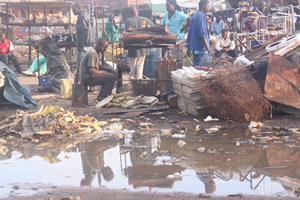
By yesterday afternoon city health officials said they had treated 50 more cases, bringing the number of affected people to 650.
Health services director Dr Prosper Chonzi, said the number of people seeking treatment for typhoid continued to grow.
“They are still trickling in,” he said.
He said 20 patients had been discharged from the Beatrice Infectious Diseases Hospital but the numbers admitted continue to grow as new patients were admitted.
“We are comfortable with about 60 patients. We do not want to overstretch the hospital,” he said.
While all TB patients have been transferred to Wilkins Hospital, part of the 144-bed hospital is under renovation, making it difficult to accommodate more patients.
RELATED STORIES
He said patients from other suburbs like Kambuzuma, Warren Park and Dzivarasekwa were being treated for diarrhoea but warned that the disease could have spread to other suburbs because it was food-borne.
He said efforts to control vending by removing vendors from the streets were not sustainable.
What was needed was individual behavioural change by those buying from unclean places.
“We have to fight the mindset. People just have to change. We are urging residents to respect cleanliness and to shun dirty vending spots,” he said.
The typhoid in Kuwadzana has been linked to the vending of fish, raw and cooked meat among other food stuffs whose samples all tested positive for salmonella typhi, the bacteria that causes typhoid.
Dr Chonzi urged residents to boil all water for domestic use including treating it with aqua tablets. The tablets are available for free at all council clinics.
According to expert information on typhoid, most people show symptoms one to three weeks after exposure.
The symptoms are fever, headaches, abdominal pain, diarrhoea, constipation, poor appetite, lethargy and delirium.



 Online Reporter