admin
admin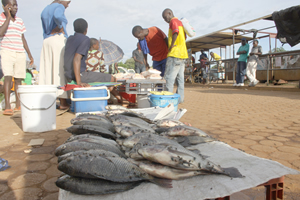
the spread of typhoid could be much higher than the city can contain.
“We have attended to over 600 cases in Kuwadzana alone. We have not recorded any death. We have over 90 patients who are admitted at the Beatrice Infectious Diseases Hospitals,” he said.
Dr Chonzi said all TB patients at the hospital have been transferred to Wilkins Hospital to create space for the typhoid patients and to avoid cross contamination.
“We need a spirited campaign against vending. If one decides to spend a dollar on a vendor, they should realise they will spend more in hospital.
“All those who are buying fish from Lake Chivero or from the vendors are buying salmonella typhi. It is within people’s power to avoid buying from unhygienic places,” he said.
Council doctors and nurses have been deployed to all affected suburbs that include Warren Park, Kambuzuma and Dzivaresekwa.
Harare Water has been directed to keep water flowing in high-density suburbs.
He said health officials were on high alert.
Last week, Dr Chonzi told a special council meeting that patients from Kuwadzana were much sicker than those from other suburbs.
Most of the patients were feverish and complained of abdominal pain.
The World Health Organisation has identified typhoid as a serious public health problem. It is a common bacteria disease caused by the bacterium salmonella typhi. He said Kuwadzana had reliable water supply and hygiene in terms of sewers was satisfactory.
According to expert information on typhoid, most people show symptoms one to three weeks after exposure with symptoms being fever, headaches, abdominal pain, diarrhoea, constipation, poor appetite, lethargy and delirium.



 Online Reporter