
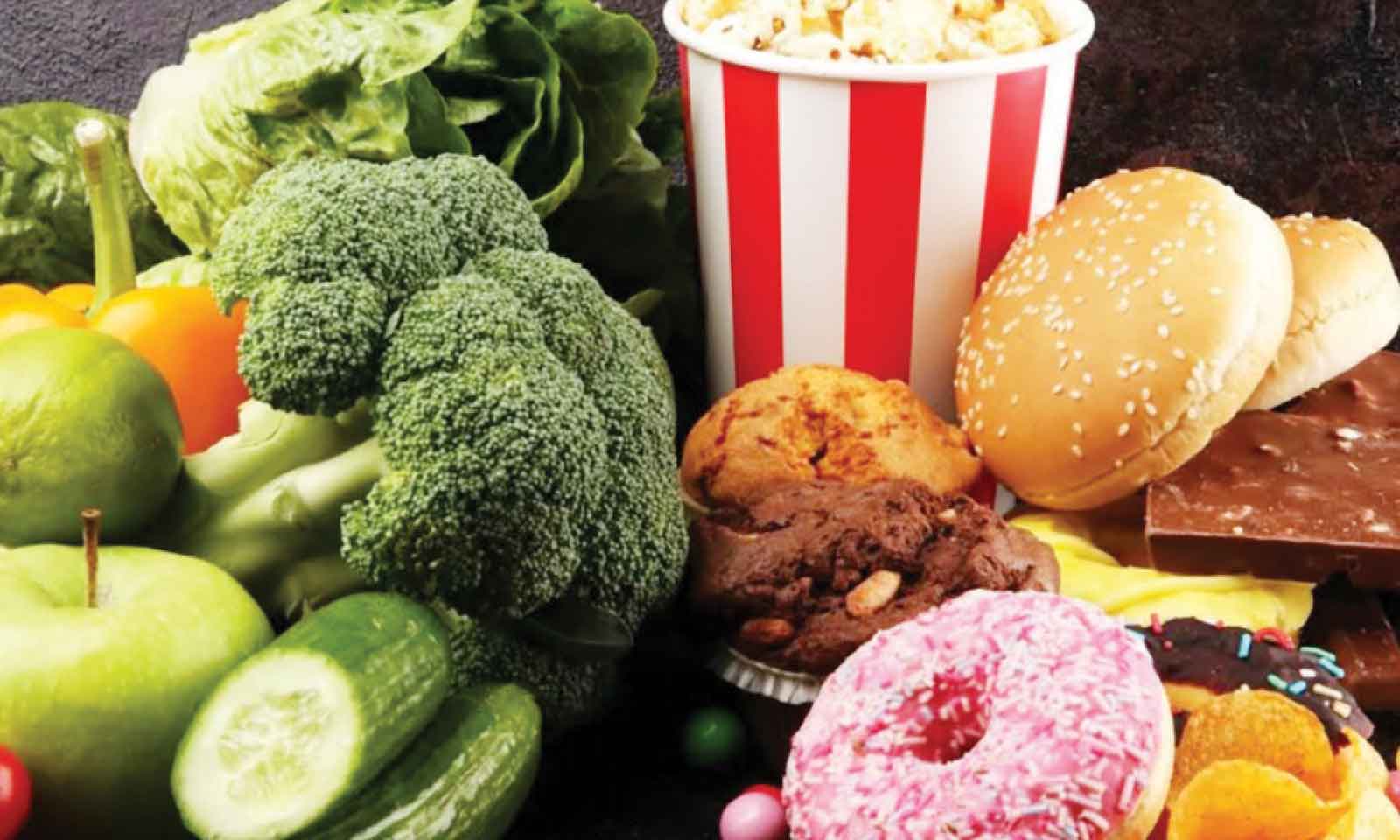
Most junk food advertising on TV and online came to an end in the UK on Monday when new regulations aimed at tackling childhood obesity took effect.
The UK health and social care department confirmed adverts for less healthy food and drinks will be banned on TV before 9pm and prohibited online at all times.
Food and drink companies were given advance notice of the restrictions, which were introduced on a voluntary basis in October 2025 before becoming legally binding this week.
“This decisive and world-leading action by this government is expected to remove up to 7.2-billion calories from children’s diets each year, reduce the number of children living with obesity by 20,000 and deliver about £2bn (R44.3bn) in health benefits over time,” the department said.
“Children will be protected from excessive exposure to unhealthy food adverts on TV and online,” it said, noting evidence shows advertising influences what and when children eat, shaping preferences from a young age and increasing the risk of obesity and related illnesses.
The department highlighted that at the start of primary school, 22.1% of children in England are overweight or obese, a figure that rises to 35.8% by the time they leave school.
Tooth decay remains the leading cause of hospital admissions for children aged from five to nine in the UK.
UK health minister Ashley Dalton said the government was committed to giving every child the healthiest possible start in life.
“By restricting adverts for junk food before 9pm and banning paid adverts online, we can remove excessive exposure to unhealthy foods, making the healthy choice the easy choice for parents and children.
“We’re moving the dial from having the National Health Service treat sickness to preventing it so people can lead healthier lives, and it can be there for us when we need it.”
The government had worked closely with health campaigners and industry leaders to strike a balance between improving child health and supporting economic growth.
“It’s in everyone’s interest that parents and children can make healthy choices, and we thank food and drink companies for getting behind the restrictions voluntarily since October, before them taking legal effect.”
Dalton pointed to the soft drinks industry levy as an example of how previous interventions had led to product reformulation, saying the new measures had encouraged the development and promotion of healthier options.
The changes form part of broader efforts to lift children out of poverty and improve their long-term health outcomes.
The executive director of the Obesity Health Alliance, Katharine Jenner, said the restrictions marked long-awaited progress.
“It’s been one battle after another, but we are going to see children being protected from the worst offending junk food adverts.
“This is a welcome and long-awaited step towards better protecting children from unhealthy food and drink advertising that can harm their health and wellbeing.”
Jenner said the policy was an important part of a wider approach to preventing obesity-related ill health and called for the rules to be strengthened over time to ensure they remain effective.
Diabetes UK CEO Colette Marshall said the measures come at a critical time, with type 2 diabetes on the rise among young people.
“Obesity is a major risk factor for type 2 diabetes, and the condition can lead to more severe consequences in young people, leaving them at risk of serious complications such as kidney failure and heart disease.”
Restricting junk food advertising, alongside mandatory healthy food sales reporting and the extension of the soft drinks industry levy to more products, could help protect children’s health and prevent conditions such as type 2 diabetes.
Marshall said the government was also banning the sale of high-caffeine energy drinks to children under 16 as part of its 10-year health plan, which prioritises prevention.
Cancer Research UK senior policy manager Malcolm Clark said the legislation was a significant step towards creating a healthier food environment.
“The world around us heavily influences what we eat and drink, which is why Cancer Research UK has long campaigned for restrictions on advertising unhealthy foods to children.”
He warned obesity and being overweight cause at least 13 different types of cancer, and children living with obesity are far more likely to remain obese into adulthood.
“Measures announced today [Monday], if properly enforced, are a crucial step towards creating an environment that protects children and empowers healthy lifestyle changes.”
Similar concerns persist in South Africa.
Research conducted by the department of human movement science at Nelson Mandela University found 182 of 917 pupils aged eight to 16 in eight schools were overweight or obese.
The study also found 453 of 959 pupils had low fitness levels.
The Healthy Active Kids South Africa Report Card has also shown rising rates of overweight and obesity among children and adolescents, highlighting that food sold at school tuck shops is often of poor nutritional value.
Research by the Healthy Living Alliance found that at 61 schools in Soweto and on the East Rand, vetkoek and kota were the most popular food items, underscoring ongoing challenges around children’s diets and access to healthier options. —TimesLIVE