Online Reporter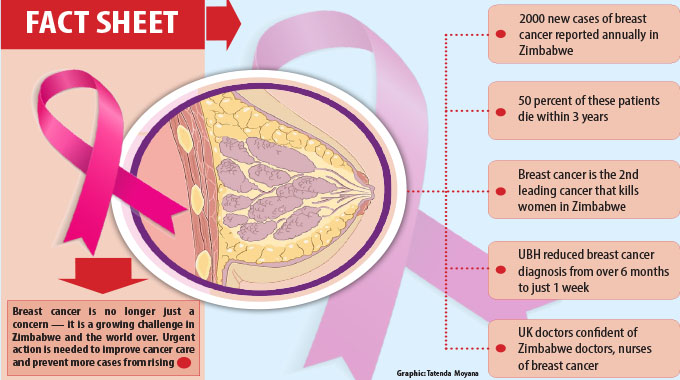
Robin Muchetu, Health and Gender Editor
A TEAM of specialist breast surgeons from the United Kingdom is in Zimbabwe conducting a high-level masterclass for local nurses and doctors aimed at strengthening the country’s capacity to diagnose and treat breast cancer.
The week-long programme, hosted at United Bulawayo Hospitals (UBH) in collaboration with the Association of Breast Surgeons–UK (ABS-UK), is equipping frontline medical staff with life-saving skills in early detection, diagnosis and treatment of breast cancer.
The masterclass marks a major milestone in the country’s efforts to localise advanced cancer care, which previously required referrals to South Africa or India.
Dr Munyaradzi Magara, a specialist breast surgeon and head of the UBH breast cancer unit, said the training represents a major leap forward for breast cancer care in the country.
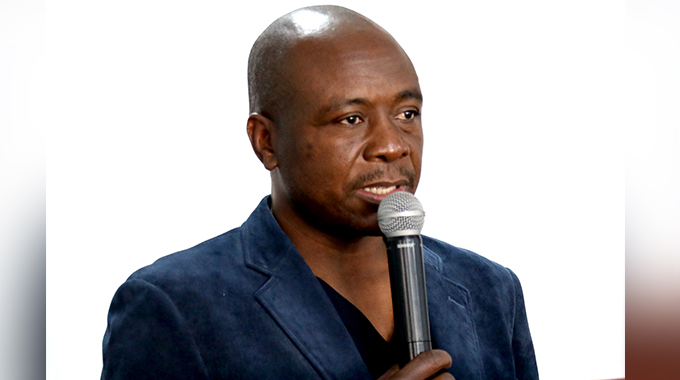
“We started last week with nurses, teaching them how to recognise symptoms and make sound decisions for early diagnosis. The ultimate goal is to ensure patients get to the right place, at the right time and with a sense of urgency,” he said.
“This has been managed because of teamwork. We also had training on the use of a shared data recording system to record information about breast cancer patients.”
Eight local surgeons received hands-on training in theatre, assisted by UK specialists. Other cadres, including radiographers, oncologists and pathologists, were also engaged in multidisciplinary training.
“We went into the theatre and delivered high-end surgeries to the people. Some of the treatments done are those that we had to send patients out for to South Africa or India. We did them here at UBH,” said Dr Magara.
He noted that since adopting new protocols and training methods, UBH has considerably reduced the breast cancer diagnosis window from six months to just one week, a turnaround now being replicated in Gwanda and Beitbridge.
Dr Magara said, despite the progress, breast cancer remains the second leading cause of cancer deaths among women in Zimbabwe, with 2 000 new cases annually, and half of these patients do not survive beyond three years.
“We are, therefore, here to train cadres to look into this problem and mitigate it adequately,” he said.
The breast cancer training programme is the result of a multi-year partnership with ABS-UK, which started with the first symposium in 2019. Dr Magara and fellow specialist Dr Simba Mungazi trained in the UK between 2020 and 2022 and brought back essential skills.
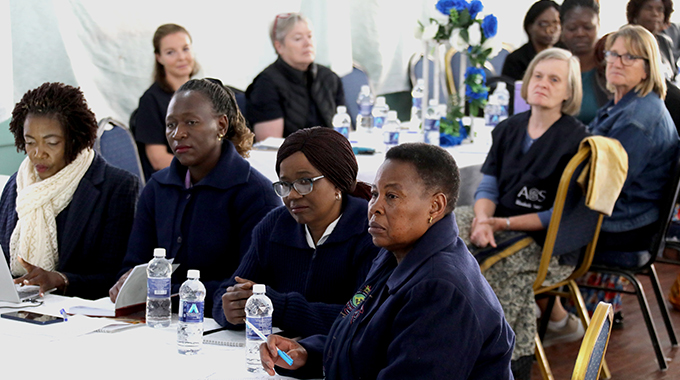
“It has been a journey of training. In 2019, we had our first symposium, and in 2020, I went for training for two years in the UK together with Dr Simba Mungazi from Harare. When we returned, we thought of imparting skills, but we were just the two of us and could not do it ourselves,” said Dr Magara.
“In 2023, nurse trainers received a fellowship to the UK for six weeks, where they were trained and last week the same nurses delivered the training here. This shows learning on their part and that skill is now ours,” said Dr Magara.
In 2024, UBH held a national breast cancer symposium, laying the groundwork for this year’s advanced masterclass.
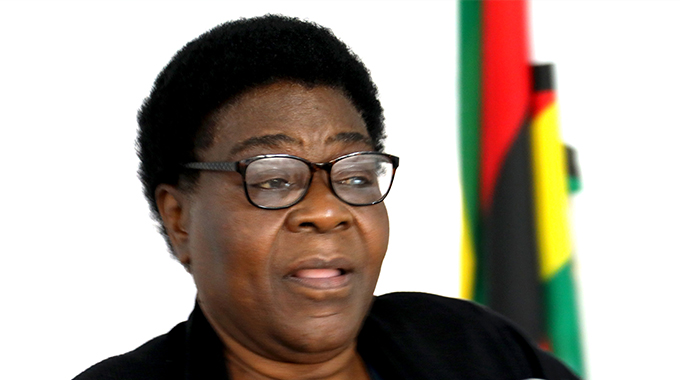
Dr Maria Bews-Hair, a consultant surgeon leading the ABS-UK team, said she was grateful for the opportunity to improve breast cancer care in Zimbabwe.
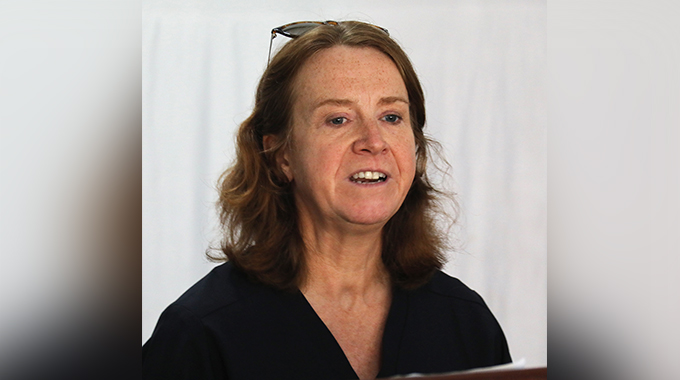
“This project seeks to promote the early presentation for patients with breast cancer, with an aim of 60 percent of patients presenting at stage one or two. The second pillar aims to improve timely diagnosis, within 60 days of someone presenting with an abnormality, they must have obtained a diagnosis and the third pillar is to complete breast cancer treatment, with 80 percent of patients completing it,” she said.
Dr Bews-Hair commended the efficiency and enthusiasm of the local clinics they visited, and expressed confidence in Zimbabwe’s ability to build sustainable cancer care systems.
“Last week, we had the privilege of visiting the various clinics and we were hugely impressed by the enthusiasm and efficiency of those clinics and their breast cancer knowledge. We were delighted to attend the clinical skills course run here and we were impressed by their ability to teach, making us confident in the ongoing ability and future of teaching the management of breast cancer care in Zimbabwe, she said.
The UBH breast cancer unit, now one of the country’s leading centres for oncology training and care, is a product of this UK-Zimbabwe partnership and is providing vital services to both women and men battling the disease.
@NyembeziMu