Online Reporter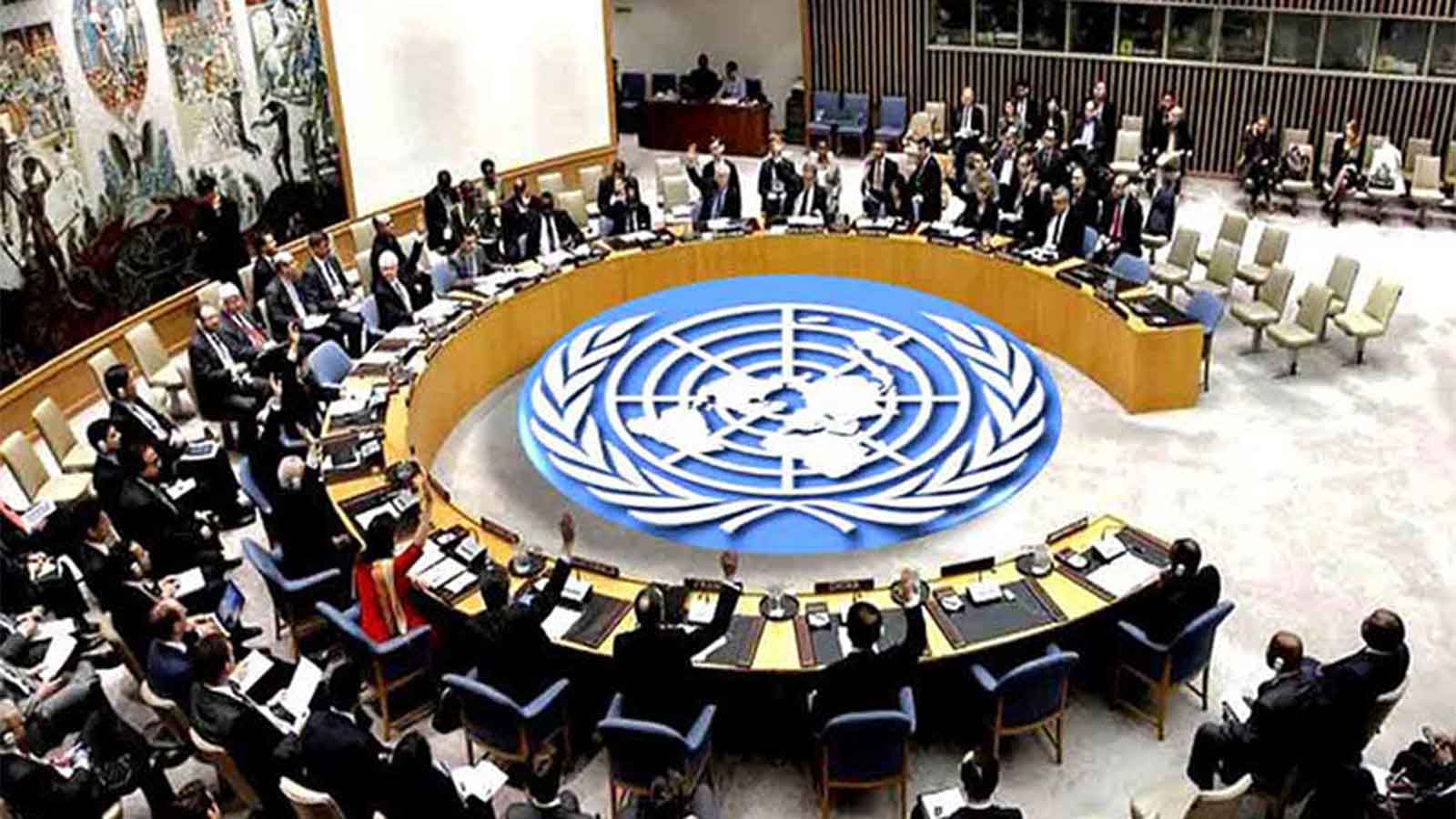
Lovemore Chikova-Deputy Editor
ZIMBABWE’S election to the United Nations Security Council has generated considerable interest, but many people wonder what exactly the council does and why membership matters.
The Security Council is the most powerful organ of the United Nations.
It has primary responsibility for maintaining international peace and security and is empowered to make decisions that member states are expected to implement.
The council consists of 15 members:
Five permanent members (known as the P5):
China
France
Russia
United Kingdom
United States
Ten non-permanent members elected by the UN General Assembly for two-year terms.
The permanent members hold veto power, meaning any one of them can block a substantive resolution regardless of how many countries support it.
This often leads people to assume that non-permanent members are unimportant.
In reality, they play a critical role in how the council functions.
How decisions are made
Most Security Council decisions require at least nine votes out of the 15 members.
For major resolutions, two conditions must be met:
1. At least nine members must vote in favour.
2. None of the five permanent members may exercise a veto.
This means that even if all five permanent members support a resolution, they still need at least four non-permanent members to reach the required nine votes.
In practice, successful resolutions usually require broad support from both permanent and non-permanent members.
Relationship between permanent and non-permanent members
The interaction is more collaborative than many people realise.
Before resolutions reach a formal vote, extensive negotiations occur behind closed doors.
Non-permanent members participate fully in these discussions.
They:
Propose amendments.
Introduce language changes.
Build coalitions.
Negotiate compromises.
Raise regional concerns.
Influence agenda-setting.
Many resolutions are significantly altered during negotiations because non-permanent members push for changes.
Often, permanent members seek support from elected members to demonstrate that a proposal enjoys broad international backing rather than appearing to represent only the interests of major powers.
As a result, non-permanent members can exert influence disproportionate to their size or economic power.
Why non-permanent members matter
The Security Council was designed to balance power and representation.
The permanent members provide continuity and major-power participation, while non-permanent members bring diversity and legitimacy.
Without elected members, the council would essentially become an exclusive club dominated by the world’s strongest countries.
Non-permanent members, therefore, perform several important functions that determine international actions.