Online Reporter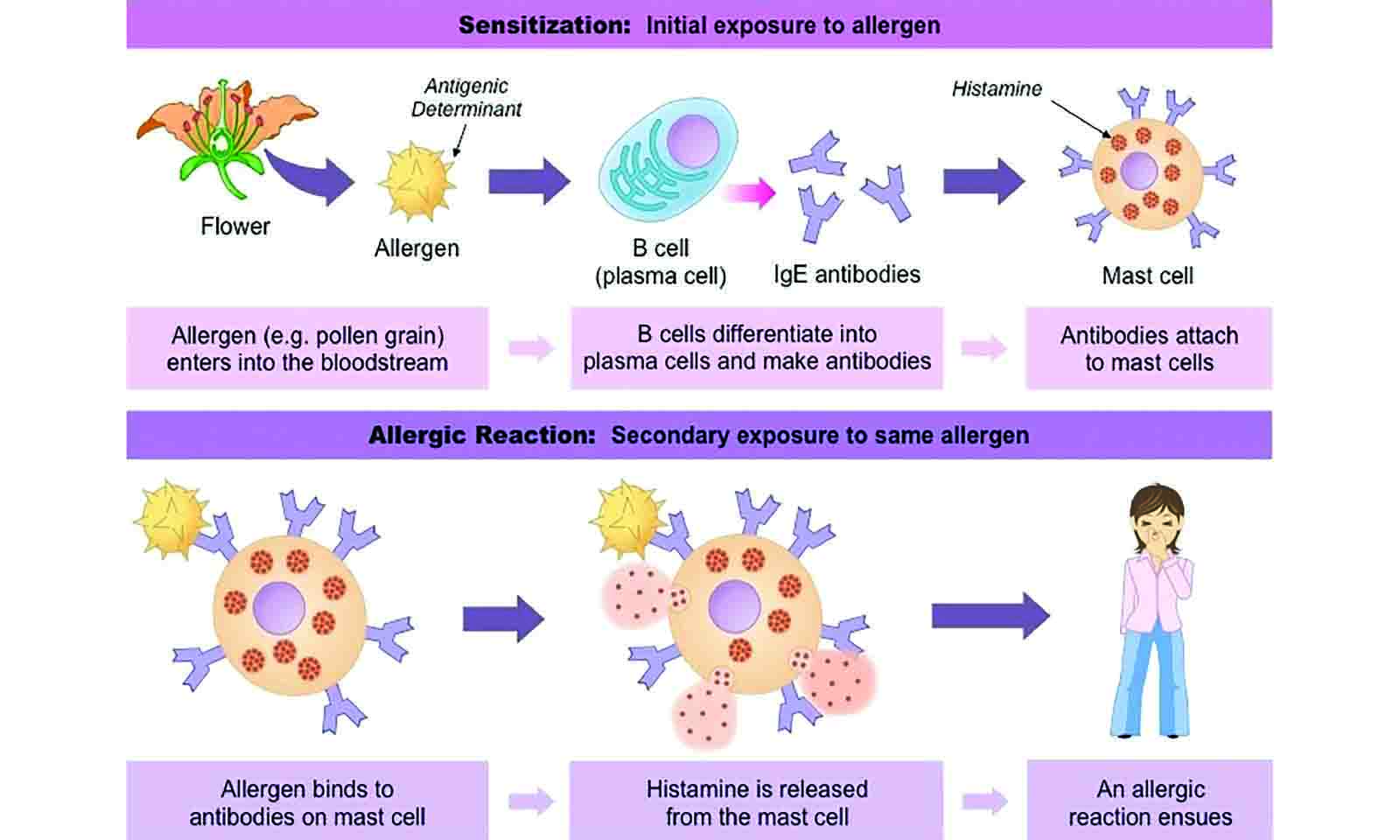
SEPTEMBER is here!
A season of transition.
After the long, dry winter months, temperatures are beginning to rise, fields and gardens starting to regain their colour, and the jacarandas are blooming in dazzling purple hues along Harare’s avenues.
The msasa trees, with their fiery shades of red, paint the countryside signalling renewal and hope.
For farmers, spring marks the start of preparations for planting, while for families, it is a season to shake off the cold and embrace the outdoors once again.
But for many Zimbabweans, this period also brings discomfort. Behind the beauty and promise of spring lies a hidden challenge: the annual surge in seasonal allergies.
As pollen fills the air and spring winds carry dust across towns and villages, thousands of people experience sneezing fits, itchy and watery eyes, runny noses, congestion, and breathing difficulties. For those living with asthma, the season can be even more dangerous, with pollen and dust often triggering severe attacks.
As soon as the weather warms and flowers begin to bloom, clinics and hospitals see a rise in patients presenting with respiratory and allergy-related complaints.
The most common of these is seasonal allergic rhinitis, commonly known as hay fever, which occurs when the body’s immune system mistakenly reacts to pollen as if it were a harmful substance. The result is inflammation in the nose, throat and eyes, leading to the uncomfortable and often debilitating symptoms that so many people endure at this time of year.
Asthma is also a growing concern in Zimbabwe and worldwide. According to the World Health Organisation, an estimated 262 million people live with asthma globally, and the condition caused 455 000 deaths in 2019. Locally, exact figures are difficult to pin down due to under-diagnosis and under-reporting, but health officials acknowledge that asthma is a major contributor to respiratory-related hospital visits. During spring, asthma flare-ups spike, as pollen, dust mites and even mould spores combine to aggravate the condition.
One of the groups most affected by seasonal allergies is children. In schools, teachers frequently notice a spike in absenteeism as learners struggle with severe sneezing, wheezing, or fatigue caused by restless nights. Others often find it difficult to concentrate, with runny noses and itchy eyes.
Parents often face the added burden of repeated medical visits, purchasing antihistamines or inhalers, and worrying about whether their children can safely take part in outdoor activities. For families with limited resources, this becomes an even heavier financial and emotional strain.
Seasonal allergies and asthma are not life-threatening in most cases, but their impact on productivity is real.
For adults, persistent sneezing, congestion and fatigue can lead to reduced concentration at work, slower decision-making, and in some cases, days off to recover. Employers rarely link dips in productivity to seasonal health challenges, but analysts suggest that the cumulative economic cost is significant.
International studies estimate that allergic rhinitis alone leads to billions of dollars in lost productivity globally each year. Zimbabwe may not have precise data on this impact, but given that a sizeable portion of the workforce experiences allergy-related discomfort during spring, the hidden costs to the economy are likely substantial.
As if the annual burden were not enough, scientists warn that climate change is intensifying the problem. Rising global temperatures and shifting rainfall patterns are altering the way plants grow and release pollen. Warmer seasons encourage plants to produce pollen for longer periods, while higher levels of carbon dioxide in the atmosphere make pollen grains more potent.
Zimbabwe is not immune to this trend. With rainfall patterns becoming increasingly erratic and temperatures rising, health experts caution that pollen seasons could become longer and more severe in the coming years. Urbanisation adds another layer of complexity, as air pollution interacts with pollen to worsen allergic responses. In Harare and other growing cities, higher traffic emissions and industrial activity may be contributing to more severe allergy seasons than in the past.
Although allergies cannot be prevented entirely, experts emphasise that proactive management can greatly reduce their impact. Health experts recommend that individuals limit outdoor activities during high-pollen times, particularly in the mornings or on windy days when pollen levels are highest. In homes, keeping windows closed, cleaning regularly, and washing bedding in hot water can help reduce exposure to dust and pollen.
For many, relief comes in the form of antihistamines and nasal sprays, which are readily available at pharmacies. Asthma patients, however, require more careful management, ensuring that they always have access to prescribed inhalers and adhere to treatment plans. Doctors urge patients not to dismiss recurring symptoms as minor irritations but to seek medical attention, especially if breathing difficulties occur.
In rural areas, where access to healthcare and medications is more limited, families often rely on traditional remedies such as herbal teas or steaming with eucalyptus leaves.
While some of these methods may provide temporary relief, health experts caution that they should not replace evidence-based medical treatments, particularly for asthma, which can become life-threatening if poorly managed.
The Ministry of Health and Child Care acknowledges the need to raise awareness about seasonal allergies. Historically, public health campaigns in Zimbabwe have focused heavily on infectious diseases such as malaria, cholera and HIV. While these remain pressing concerns, officials note that the growing prevalence of non-communicable conditions, including allergies and asthma, requires a more holistic approach.
Community education programmes could prove valuable in this regard. Schools can be equipped with basic guidelines to help teachers identify allergy or asthma attacks and respond appropriately. Workplaces can also adopt flexible policies to support employees affected during peak seasons.
At a national level, investing in allergy research and establishing systems to monitor pollen counts could help provide data that enables better planning and response.
For many Zimbabweans, spring is a season of joy — of blossoms, warmth, and renewal. But for allergy sufferers, it is also a season of misery, when every breath of fresh air may come with sneezes, watery eyes, and fatigue. The challenge lies in finding ways to enjoy the beauty of the season without being overwhelmed by its health costs.
With greater awareness, proactive management, and support from both families and the health system, Zimbabweans can strike that balance.
Instead of sidelining allergy sufferers during this vibrant season, communities can support them in small but meaningful ways: understanding when a child needs to sit out of outdoor sports, accommodating an employee who struggles to concentrate, or simply recognising that sneezing fits are not trivial complaints but part of a larger public health issue.
As September unfolds and the jacarandas bloom, the message becomes clear. Seasonal allergies are not just an inconvenience; they are a recurring health challenge that deserves attention.
By taking them seriously, Zimbabwe can ensure that spring remains a season of renewal and celebration, rather than one of suffering.
Feedback: [email protected]