Online Reporter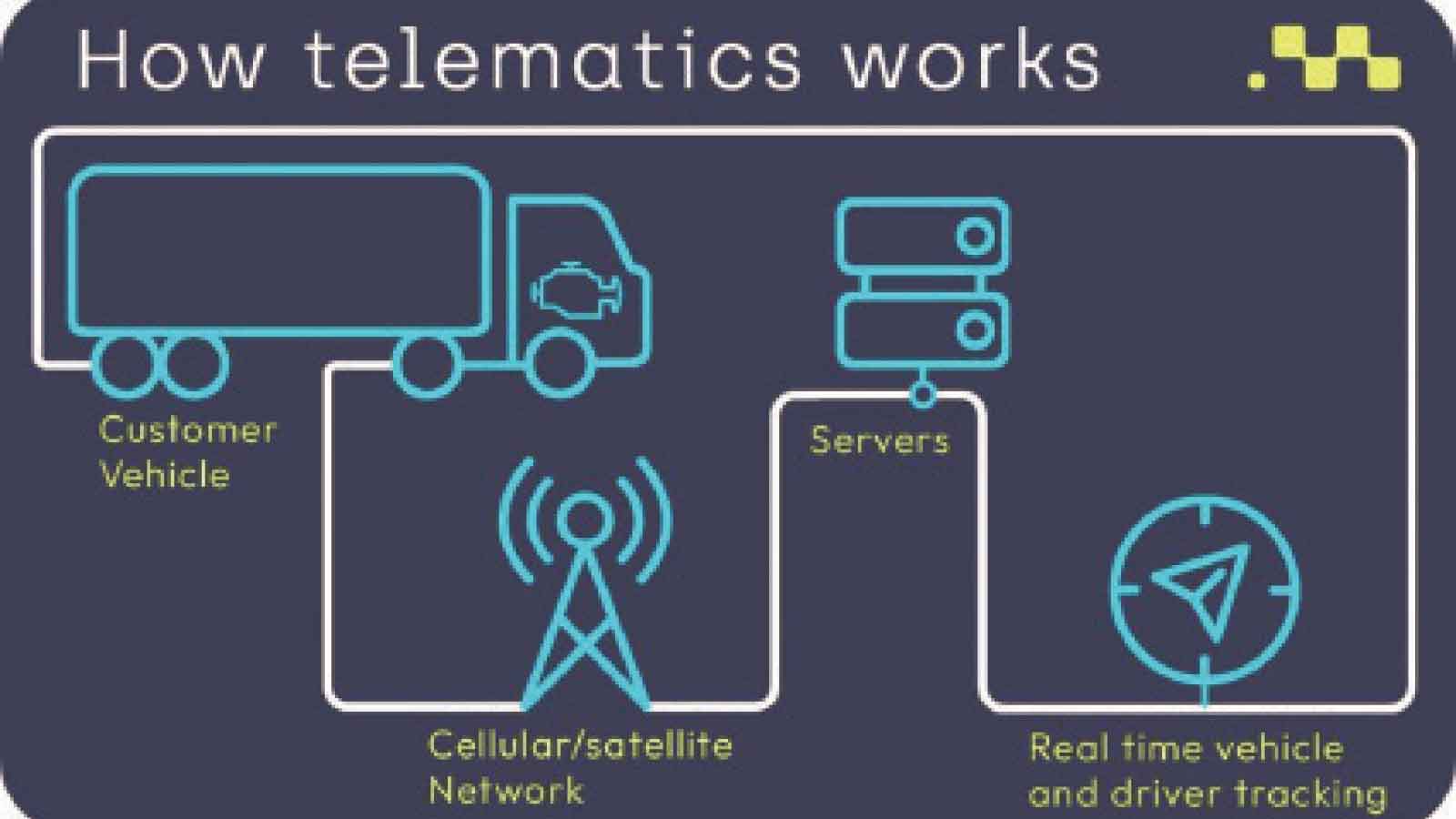
In an age where data drives decision-making and connectivity defines efficiency, telematics is transforming the way vehicles are managed, monitored and maintained.
Once viewed as a specialised tool for large logistics companies, telematics has evolved into an essential solution for businesses and individual motorists alike.
Telematics refers to the integration of telecommunications and informatics to collect, transmit and analyse data from remote assets, most commonly vehicles.
By combining GPS (Global Positioning Systems) tracking, onboard diagnostics, sensors and digital platforms, telematics systems provide real-time insights into vehicle location, performance and driver behaviour.
For organisations operating fleets, telematics offers unprecedented visibility into daily operations.
Fleet managers can track vehicle movements in real time, optimise routes, reduce fuel consumption and minimise unnecessary idling.
This level of control not only reduces operational costs but also improves productivity and enhances service delivery through accurate scheduling and accountability.
Safety is another major benefit. Telematics systems monitor driving patterns such as harsh braking, speeding and rapid acceleration.
By identifying unsafe driving habits, companies can implement targeted interventions and training programmes that reduce accidents and promote responsible driving.
Over time, this contributes to safer roads and improved driver performance. Maintenance, often overlooked, is significantly improved through telematics.
Modern systems provide automated alerts for servicing, engine faults and component wear.
This proactive approach allows businesses and motorists to address issues early, preventing costly breakdowns and reducing vehicle downtime.
As a result, vehicles remain in optimal condition for longer periods. For private vehicle owners, telematics provides enhanced security and peace of mind.
Vehicle tracking solutions enable real-time location monitoring, while features such as geofencing and instant alerts add an extra layer of protection.
In the event of theft, these systems greatly improve the chances of recovery.
The growing role of telematics in modern mobility
As urban environments expand and transport systems become more complex, telematics is playing an increasingly important role in shaping modern mobility.
Data collected from connected vehicles can support improved traffic management, better route planning and more efficient infrastructure development.
Telematics also contributes to environmental sustainability.
By promoting efficient driving habits, reducing fuel consumption and minimising unnecessary vehicle usage, telematics helps lower carbon emissions.
For businesses, this not only reduces costs but also aligns operations with growing environmental awareness. Another important development is the ability of telematics systems to provide direct feedback to drivers.
Real-time insights encourage smoother driving behaviour, which improves fuel efficiency, reduces wear and tear and enhances overall safety.
This shift towards data-driven driving habits represents a significant step forward in road usage.
Despite its many advantages, the successful adoption of telematics requires careful consideration.
Users should evaluate system reliability, the accuracy of data provided and the level of technical and customer support available.
Data security is also a key concern, as telematics systems handle sensitive location and operational information. Selecting a trusted provider is, therefore, essential.
In Zimbabwe’s evolving transport and logistics landscape, where efficiency, safety and asset protection are becoming increasingly important, telematics presents a practical and forward-looking solution.
Businesses that embrace this technology position themselves for greater competitiveness, while individual motorists gain improved control and security.
As adoption continues to grow, companies such as Ctrack Zimbabwe, located at 184 Mutare Road, are supporting this transition by offering solutions tailored to both fleet operators and private users.
Through innovation and reliability, Ctrack is helping to bridge the gap between traditional vehicle management and the future of connected mobility.
Ultimately, telematics is no longer just about tracking vehicles. It is about understanding how they are used, improving efficiency, enhancing safety and ensuring long-term value in an increasingly connected world.
For feedback, contact Tsitsi on +263 78618 9127.