admin
admin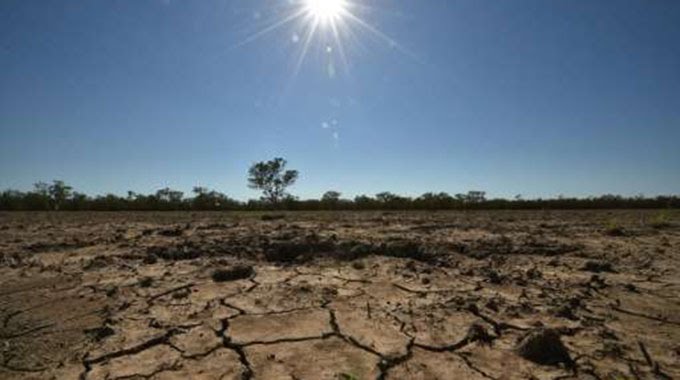
Ivan Zhakata
Herald Correspondent
UNICEF has called for access to water to be prioritised in response to El Nino to ensure community resilience.
Access to safe water and improved sanitation and hygiene services are key to ensuring children’s rights to health, nutrition, education, and protection.
As Zimbabwe faces the El Nio-induced drought, access to safe water remains a challenge for communities.
In a statement, UNICEF said only 81 percent of rural people have access to improved water sources.
It said about half of the households have access to safe water less than 500 meters from home.
“Zimbabwe is currently experiencing strong and intense El Nino-induced drought, leading to water scarcity and further jeopardising access to safe water for many Zimbabwean people,” read the statement.
“Because of the drought, nearly four percent of the boreholes in the rural areas in Zimbabwe have dried up, particularly in Matabeleland South and Masvingo Provinces. Access to safe water is also worrying in urban settings, including in Harare and Bulawayo, where water production is insufficient to cover the needs.
“Water scarcity increases the risk of waterborne diseases and malnutrition among children. It can also lead to school dropouts and child labor and increases the risk of child exploitation and abuse as children are mobilised to fetch water from far away distances, in insecure circumstances as water is sometimes collected late in the evening or early morning.”
To respond to the water scarcity households are facing, UNICEF, as co-sector lead on water, sanitation and hygiene with the Government, works with its partners to enhance safe water supply to communities, health facilities, and schools facing water insecurity through the rehabilitation of existing water systems and construction of new water systems, including climate-resilient multi-purpose solar-powered piped water systems that enable safe drinking, domestic, livestock, and garden water.
To deal with the El Nino-induced drought, UNICEF appealed for US$34 million for the rehabilitation of water points and to ensure people in need are provided with access to safe water.
“While funding contributions have been limited until now, UNICEF, the Government, and partners in the water, sanitation, and hygiene sectors were able to set up a dashboard to track and monitor water systems in rural areas and provide more than 55 000 people in need access to safe water through rehabilitating 67 boreholes and developing 15 solar piped water systems,” read the statement.
“UNICEF calls on the Government, donor community, and partners to prioritise interventions aimed at providing sustainable access to water, sanitation and hygiene facilities for children and their families in communities. Increased funding will enable the implementation of innovative approaches that build community resilience to effectively mitigate the consequences of climate-related shocks, preserve development gains and protect the well-being of children.”



 Online Reporter