Online Reporter
Ivan Zhakata
Online Correspondent
UNICEF has urged journalists reporting on disasters and emergencies to protect children’s dignity, privacy and safety, warning that poorly handled stories can expose vulnerable children and their families to further harm.
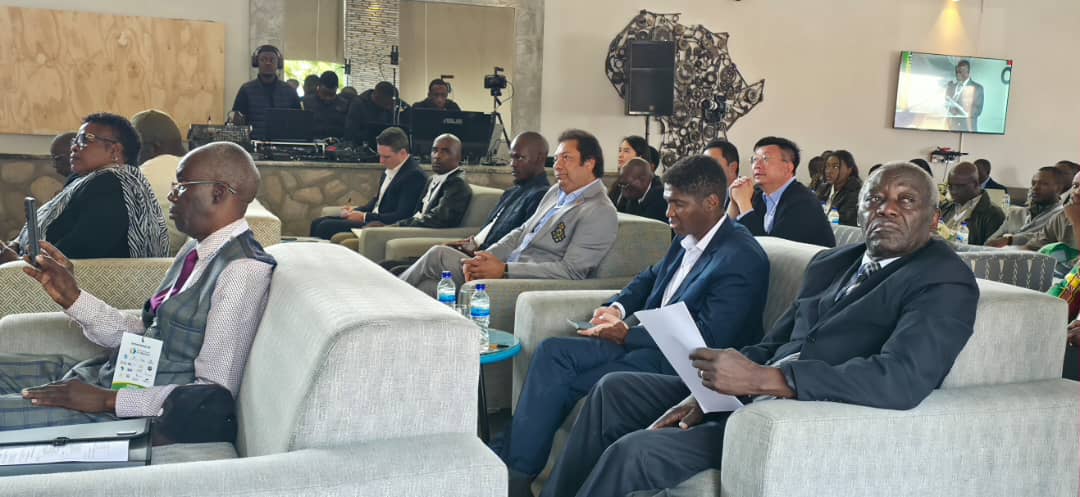
Speaking at an Emergency Reporting Training for Journalists in Harare yesterday, UNICEF communication specialist Ms Tapuwa Mutseyekwa said children’s best interests should remain central when journalists gather and publish stories.
Ms Mutseyekwa urged journalists to exercise caution when photographing or interviewing children, particularly in situations that could compromise their dignity, even when those circumstances are central to the story.
“When a child is malnourished or is in a home which has been destroyed by rains, it is not a good idea for us to take the child in that space which does not preserve their dignity,” she said.
“It is good to tell the story, yes, but we do not want to show them in a desperate, dehumanising and bad situation that they find themselves in.
“Even when children are in a bad circumstance, there are ways in which we can work around their circumstances to find a better place for us to take their photo or to interview them.”
She said journalists should also consider the potential consequences of publishing sensitive information disclosed by children, particularly where such information could expose them or their families to retaliation, stigma or other forms of harm.
“Sometimes children end up saying things which are sensitive, and which might end up putting their family or themselves in danger. So it is always good to ensure that harm is taken away from a child,” she said.
Ms Mutseyekwa urged journalists to listen to children and give appropriate weight to their views according to their age and maturity, while verifying their accounts through authoritative sources.
She said a child’s testimony should not automatically be presented as an authoritative account of an entire community or situation.
“We take his voice, but we also take it with the caution that he might not know everything and we therefore have to look for other sources of information who give authoritative voice to the situation on the ground,” she said.
She also said there was a need to protect children’s identities, personal information, reputation and future digital footprints, particularly when reporting on sexual violence, children in conflict with the law, malnutrition, hunger and trauma resulting from droughts, floods and other emergencies.
Ms Mutseyekwa called for inclusive reporting that avoids stereotypes and reflects the diversity of children in affected communities.
She urged journalists to ensure fair representation of girls and boys and include children living with disabilities and those facing other forms of vulnerability.
Responsible journalism, she said, required journalists to balance the public interest in exposing an issue with the potential risks to children involved in the story.
“It is good to tell the story. It is good to inform the public about what is happening in village X, but it is also good to ensure that the child remains safe,” she said.
Ms Mutseyekwa said journalists should consider whether a story was genuinely in the public interest, whether there was potential harm, whether the story could be told using fewer identifying details, whether the child’s views had been heard and respected, and whether other sources could corroborate the child’s account.
“If there is any doubt on these five points, it is best to shelve the story until such a time that the pathway is well clear,” she said.
She also urged journalists to verify information and avoid generalising from individual experiences.
Using an example of a child who said he is unable to attend school because he spends his time fetching water, Ms Mutseyekwa said journalists should establish whether other children faced the same challenge before concluding that children in the entire community were out of school.
She said strong emergency reporting should combine verified statistics with children’s lived experiences to provide both the scale of a problem and its human impact.
“Statistics will show us the scale and then we have got that personal human element which will help us decipher the extent of the problem on the ground,” she said.