Online Reporter
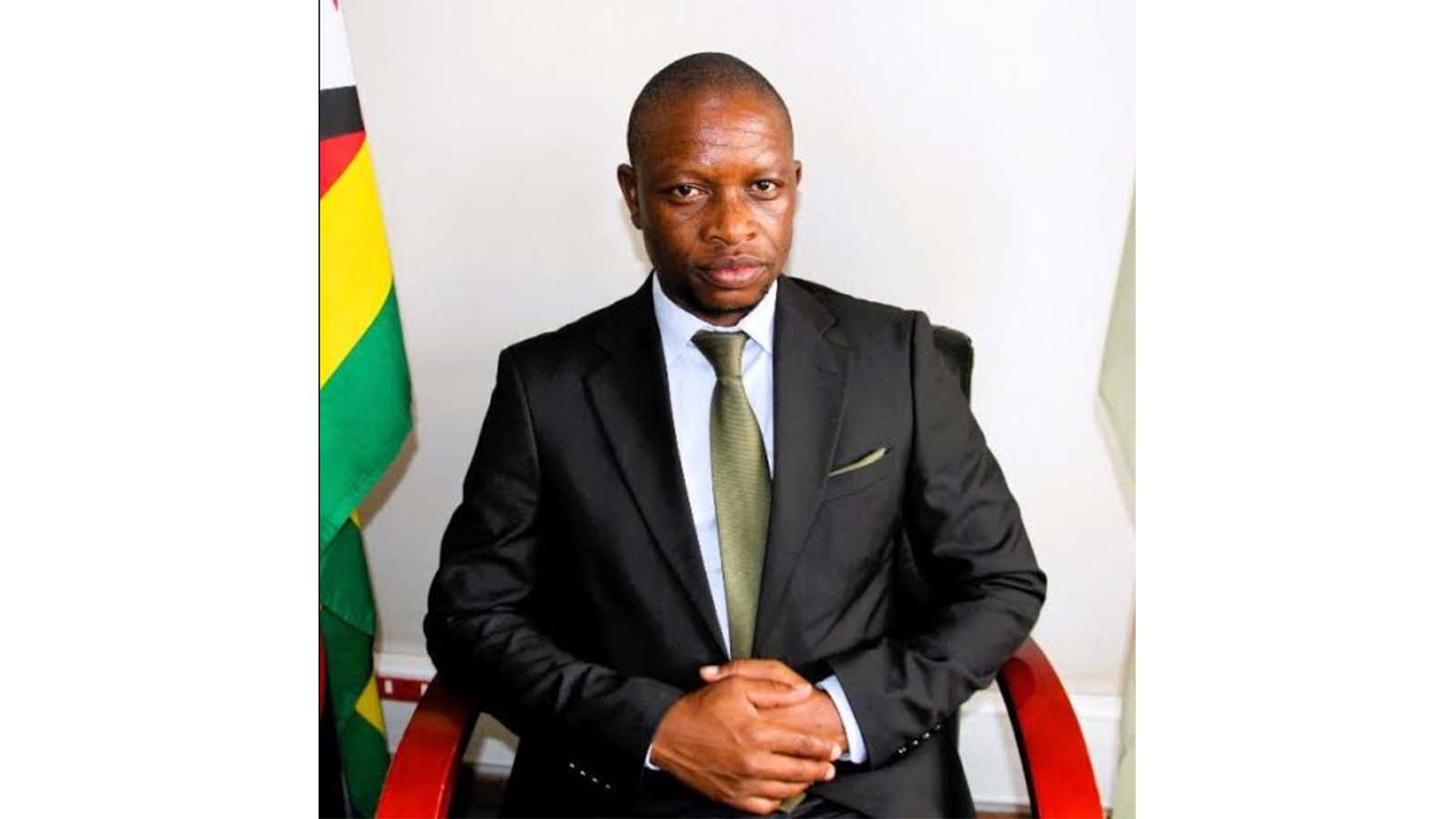
Amir Hossein Hosseini-Iran’s Ambassador to Zimbabwe
Unilateral coercive measures exert a profound, widespread, and destructive impact on the right to health of individuals in targeted countries.
Despite claims by those imposing such measures that they are targeted and include humanitarian exemptions, in practice, they function as collective punishment, systematically violating the fundamental right to health.
This right is formally recognised in international human rights instruments, including Article 25 of the Universal Declaration of Human Rights and Article 12 of the International Covenant on Economic, Social and Cultural Rights.
The interference and negative impact of UCMs on human health occur through complex direct and indirect mechanisms, outlined below.
Direct Interference with Health Supply Chains
These effects tangibly disrupt access to medical goods and services.
1. Restrictions on access to medicines and medical equipment
UCMs create significant barriers to importing vital drugs, particularly for rare, specific, and hard-to-treat diseases (such as chemotherapy drugs, medications for epidermolysis bullosa (EB), multiple sclerosis, and others), as well as advanced medical equipment (including imaging devices, spare parts for hospital machinery, and diagnostic kits).
International pharmaceutical and equipment companies refuse sales to sanctioned countries due to fears of secondary sanctions and heavy fines. This phenomenon, known as “over-compliance,” renders even officially exempt goods practically inaccessible.
2. Blockage of Active Pharmaceutical Ingredient (API) imports:
Even where domestic production capacity exists, UCMs block imports of essential raw materials needed for manufacturing. This leads to sharp declines in local production, drops in drug quality, and increased reliance on informal, exorbitantly priced black markets.
3. Severing scientific collaborations and technology transfer:
UCMs isolate the scientific and medical communities of targeted nations. Doctors, researchers, and nurses are barred from attending international congresses, accessing the latest research publications, and participating in specialised training, as well as from publishing in scientific journals. Over the long term, this results in scientific lag and deterioration in healthcare service quality.
Indirect interference via economic, financial collapse
These impacts target the entire economic infrastructure supporting health systems. The most intricate and effective sanction mechanism is severing the targeted country’s access to the international financial system.
Even if a foreign company is willing to sell medicine and the buyer has funds, international banks refuse to process payments, rendering humanitarian exemptions ineffective and performative.
International insurance and shipping companies avoid services for shipments destined for sanctioned countries. This skyrockets the cost and risk of transporting medical goods, often making it impossible.
Economic sanctions diminish foreign currency earnings (for example, via oil sales bans), crippling governments’ ability to allocate sufficient budgets to health sectors. This causes infrastructure decay, resource shortages in public hospitals, and reduced access to subsidised services for vulnerable groups.
Sanction-induced economic pressure crashes currency values. Import costs for drugs and equipment soar, making them unaffordable or unattainable for ordinary citizens, even when available.
Impact of UCMs on vulnerable groups
UCMs disproportionately devastate women and children, threatening future generations through three distinct timeframes:
1. Short-Term: Acute shocks, supply chain disruptions, and inflation immediately violate rights to life and health. Patients with EB, thalassemia, paediatric cancers, and SMA face spiked mortality due to drug shortages and blocked payments. Additionally, specialised formulas cause infant nutrition crises.
2. Mid-Term: Economic Erosion Within 1–3 years, macroeconomic collapse erodes welfare. Devaluation-driven food inflation, causes hidden malnutrition in children, while poverty forces many into child labour. For women, the “feminisation of poverty” in informal sectors and rising out-of-pocket costs block preventive screenings (for example, cancer), leading to delayed, life-threatening diagnoses.
3. Long-Term: Intergenerational Damage UCMs destroy infrastructure and lock in permanent inequalities. Chronic malnutrition causes childhood stunting and cognitive decline, while untreated illnesses lead to lasting disabilities. For women, the lifelong burden of caregiving for the sick and elderly stifles workforce participation, widens gender gaps, and reduces overall life expectancy.
In summary, UCMs create a multifaceted siege that fundamentally undermines the right to health. They not only disrupt physical access to medicines and treatment but, by crippling the macro-economy, slashing public budgets, fuelling inflation, and fostering scientific isolation, expose an entire country’s “health ecosystem” to collapse.
The effects on vulnerable groups, children, women, the elderly, those with chronic illnesses, and people with disabilities are far more severe and lethal, transforming the universal right to health into an unattainable privilege.
The consequences outlined above demonstrate that UCMs are not merely political tools but systematic violations of fundamental human rights, including provisions of the Convention on the Rights of the Child and the Convention on the Elimination of All Forms of Discrimination against Women”.
By creating a vicious cycle of poverty and disease, these measures completely deprive future generations of the right to development, with practical effects comparable to those of destructive wars against targeted nations.
It is evident that as long as the international system and the current structure of major international organisations misuse nations’ “needs” as a destructive “weapon” for their collective punishment and halting their development, such punitive measures must continue to be recognised as illegal and illegitimate.