Chronicle Editor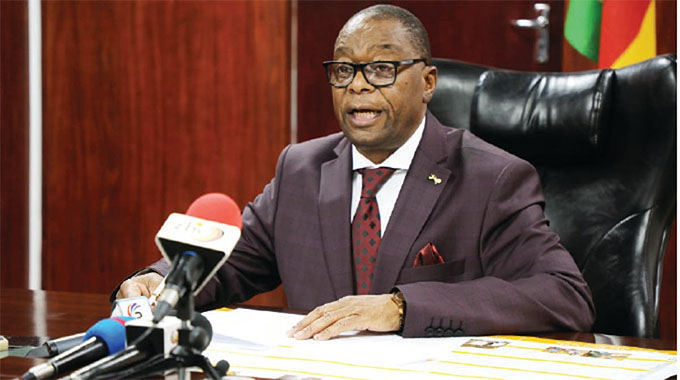
Robin Muchetu, Senior Reporter
HOSPITALS and clinics across the country will be exempted from load shedding with plans are underway to fit them with solar plants with the Government noting that they form part of the critical institutions that should have uninterrupted power supply all the time.
The development comes amid concerns that operations at some hospitals and clinics were affected by them being on prepaid electricity metering while others experienced long load-shedding hours without an alternative source of power such as solar or generators.
Those that have no alternatives are also crippled by electricity faults that sometimes take long to be rectified with Health and Child Care Minister Dr Douglas Mombeshora saying they were moving in to ensure all hospitals and clinics were installed with solar plants to ensure uninterrupted supply of power to the critical service institutions.
“Indeed, it is true that some areas have problems accessing electricity but the plan is to ensure that our hospitals are all electrified and are solar-equipped for backup because some of them have now gotten to a stage where they use solar instead of using grid electricity.
“The problem that we have is that our major hospitals like Parirenyatwa and Sally Mugabe Hospitals have not been equipped with solar systems as a backup and in the event of a fault, operations are crippled.
“We have since agreed with the Ministry of Energy to ensure that the hospitals do not face power interruptions,” said Dr Mombeshora in an interview with Sunday News.
United Bulawayo Hospitals (UBH) and Mpilo Central Hospital benefited from a UNDP partnership with the Ministry of Health and Child Care and each got a 350-kilowatt solar power system in May this year.
The Minister of Energy and Power Development, Edgar Moyo, said his ministry strives to ensure all critical areas are not affected by power disturbances.
“As a ministry, we do not want all our strategic institutions to be affected by load shedding. These key institutions like hospitals must not suffer power cuts at all. Sometimes it is because there will be faults that we find the hospitals with no power but soon after they are rectified power is restored.
If these institutions are being affected by load shedding and it is not happening that they are exempted, then that is a cause for concern,” said Minister Moyo.
He said it was a matter of policy that health facilities were not affected by load shedding as they offer critical life-saving services.
Turning to prepaid electricity that some institutions have been connected to, Dr Mombeshora said there were talks on removing institutions from that setup.
“Some clinics have prepaid meters and we agreed that prepaid electricity should be removed from hospitals and health facilities because sometimes they may not have money to buy electricity when they need it,” he said.
The country has been migrating from a post-paid electricity system to a prepaid one to improve cash flows and the power utility’s operational efficiency.
Dr Mombeshora also said the Ministry of Health has been making efforts to reduce maternal mortality in various ways where women have lost their lives while giving birth.
“Yes, we have lost a number of women giving birth and this is not acceptable but over the years, we have seen our indicators improving, but not to the level that we are happy with. We are taking a multi-pronged approach to address this issue.
“We are addressing it at the level of health facilities, human resources, and at the level of equipment, drugs, and sundries,” he said.
He added that in the rural areas where most women were walking several kilometres to health facilities, they were building waiting shelters so that women could go and wait a week before their due dates.
On the human resources side, Dr Mombeshora said the ministry was increasing the capacity for specialised skills training in health facilities.
“We have also increased the number of midwives, who we can deploy to all health facilities where deliveries take place. This is a long-term plan because it will take two years and we want to reduce it to one-and-a-half years so that we can churn out a lot of midwives to take care of our women who need to deliver at the health facilities.
We are also improving the equipment to deal with Caesarean sections. We need to equip our hospitals, especially our district hospitals,” he said.
The minister said they have purchased more than 10 anaesthetic machines for hospitals that have maternity wards in rural areas while various other measures have been put in place to ensure there are safe deliveries in the country’s health institutions.
He said women are not paying user fees for delivery while blood and blood products are also given for free in hospitals to reduce maternal mortality. @NyembeziMu


 Online Reporter