

 admin
admin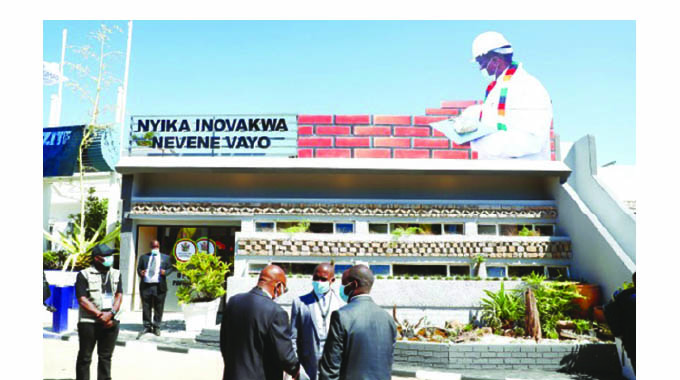
Norbert Hosho-Herald Correspondent
In recent years, Zimbabwe has witnessed a significant shift in its socio-economic landscape, largely influenced by President Mnangagwa and the Second Republic’s philosophy of ‘Nyika inovakwa nevene vayo,’ which translates to ‘The country is built by its own people’.
This guiding principle emphasises the importance of self-reliance, unity, and collective responsibility among Zimbabweans. As the nation works towards achieving its Vision 2030 goal of becoming an upper-middle-income economy, this philosophy plays a crucial role in promoting social cohesion, inclusivity, and equitable growth across diverse communities.
Promoting social cohesion
At the core of the Second Republic ‘s governance philosophy lies a profound commitment to national unity among Zimbabweans.
This vision is not merely a rhetorical flourish but a foundational principle that seeks to unify a diverse populace characterised by various ethnic, cultural, and political backgrounds.
The emphasis on unity is particularly significant in Zimbabwe, where historical divisions have often led to conflict and social fragmentation.
By advocating for collective action and solidarity, the Second Republic aims to foster an environment conducive for national development and social harmony.
The call for unity articulated by President Mnangagwa transcends traditional divides that have historically plagued Zimbabwean society. The Government’s approach encourages citizens to look beyond these differences and recognise their shared identity as Zimbabweans.
This inclusive narrative is essential for building a cohesive society where all individuals feel valued and empowered to contribute positively.
Central to this philosophy is the idea of fostering a sense of belonging among citizens. When individuals feel they are part of a larger community with shared goals, they are more likely to engage actively in societal development.
Government has initiated various programmes aimed at instilling this sense of belonging, which includes community development initiatives designed to involve citizens in decision-making processes that affect their lives. By promoting participation from all sectors of society—rural and urban alike—the administration seeks to cultivate an atmosphere where everyone feels responsible for contributing to the nation’s progress.
One of the key strategies employed by Government is the implementation of community development programmes.
These initiatives focus on empowering local communities through skills training, infrastructure development, and resource allocation. By equipping citizens with the tools they need to improve their own circumstances, these programmes not only enhance individual livelihoods but also strengthen communal ties.
National dialogues have also been established as platforms for open discussion among various stakeholders in society.
The initiatives undertaken by President Mnangagwa’s administration not only aim at enhancing individual contributions but also focus on strengthening social bonds within communities. As people engage in collaborative projects or participate in dialogues, they develop relationships based on trust and respect. This process helps dismantle stereotypes and prejudices that may exist between different ethnic or political groups, fostering an environment where mutual understanding can flourish.
Recognising the influence wielded by traditional leaders within their communities is another critical aspect of promoting social cohesion in Zimbabwe.
Traditional leaders often hold significant sway over local populations due to their cultural authority and historical significance. By engaging with these figures—who act as custodians of local customs and traditions, Government seeks to harness their influence in bridging societal gaps.
Traditional leaders can play a pivotal role in reconciliation efforts by addressing historical grievances rooted in colonialism or past conflicts. Their involvement lends credibility to Governmental initiatives aimed at healing divisions within society. Through dialogue facilitated by these leaders, communities can confront painful histories while working towards a shared future built on understanding and cooperation.
The acknowledgment of historical grievances is vital for any reconciliation process aimed at healing societal wounds. Addressing these grievances openly—often through discussions led by traditional leaders, Government fosters an environment conducive to forgiveness and moving forward collectively.
Inclusivity in development
The ‘Nyika inovakwa nevene vayo’ philosophy serves as a guiding principle for Zimbabwe’s approach to sustainable development.
This concept emphasises the importance of inclusivity, ensuring all segments of society, particularly marginalised groups, are actively engaged in the development process. The Government recognises that sustainable growth cannot be achieved without the participation and empowerment of women, youth, and people with disabilities.
Inclusivity is not merely a moral imperative but a strategic necessity for sustainable development. By integrating marginalised groups into decision-making processes, Zimbabwe aims to create policies that reflect the diverse needs and aspirations of its population.
This approach fosters social cohesion and ensures that development initiatives are more effective and equitable.
The Government has made significant strides in promoting inclusivity through various policies and programmes designed to empower these groups. For instance, initiatives have been implemented to enhance access to education, vocational training programmes and financial support for small businesses. These efforts are crucial in breaking down barriers that have limited opportunities for marginalised communities.
One notable initiative is the women economic empowerment programmes targeted at providing necessary resources and skills for entrepreneurship.
Similarly, youth empowerment schemes have been established to address the challenges faced by young people in Zimbabwe.
These programmes focus on equipping youth with relevant skills that align with current market demands. Through partnerships with educational institutions and private sector stakeholders, initiatives such as internships, apprenticeships, and skill development workshops are offered. This targeted approach helps bridge the gap between education and employment while fostering innovation among young entrepreneurs.
Recognising the unique challenges faced by people with disabilities, Government has also introduced specific policies aimed at their inclusion in economic activities.
These include accessibility improvements in public spaces and workplaces as well as tailored vocational training programs that cater to their needs. Financial assistance schemes have been developed to support small businesses owned by individuals with disabilities, thereby promoting their active participation in the economy.
Equitable growth across regions
One of the critical aspects of President Mnangagwa’s ‘Nyika inovakwa nevene vayo’ philosophy is ensuring that economic growth is equitable across Zimbabwe recognising that every region has unique needs and potential contributions to the overall economy.
The Government is committed to implementing policies aimed at promoting balanced regional development. This commitment reflects a broader understanding that sustainable economic growth must be inclusive and address the needs of all citizens, regardless of their geographic location.
Under, the Second Republic’s philosophy, investment in infrastructure projects such as roads, schools, and healthcare facilities in underdeveloped areas is a priority.
Improved infrastructure not only enhances access to essential services but also stimulates economic activity by facilitating trade and mobility.
Constructing and upgrading roads can connect remote communities to markets, enabling farmers to sell their produce more effectively while reducing transportation costs.
Investing in education facilities ensures that children in rural areas receive quality education, which is vital for empowerment and fostering future generations capable of contributing to the economy.
Enhancing healthcare access through new clinics or hospitals can significantly improve health outcomes for populations that previously had limited access to medical services. These infrastructure investments are crucial for creating an environment where businesses can thrive and communities can prosper.
Agricultural initiatives aimed at boosting productivity among rural farmers are being rolled out under this philosophy. Agriculture remains a cornerstone of Zimbabwe’s economy, employing a significant portion of the population.
Focusing on enhancing food security while providing livelihoods for families through targeted support systems such as training programmes farmers are educated on modern farming techniques, leading to increased yields and better crop management. Providing farmers with access to inputs and irrigation systems can enhance productivity.
The philosophy requires individuals to engage in dialogue about their aspirations for the future while being open to learning from one another’s experiences. With collective action rooted in mutual respect and understanding, there lies hope for overcoming challenges facing Zimbabweans today.
Dr Norbert Hosho is the president and founder of Zimbabwe Anti-Sanctions Trust (ZAST), an educationist and trainer in financial literacy, economic empowerment and entrepreneurial leadership. He is the author of the book ‘Sanctions Against Zimbabwe: Debilitating effects, resilience in adversity and envisioned way forward’. Feedback:+263773115890/[email protected]



 Peter Tanyanyiwa
 Online Reporter