malvernmugadzikwa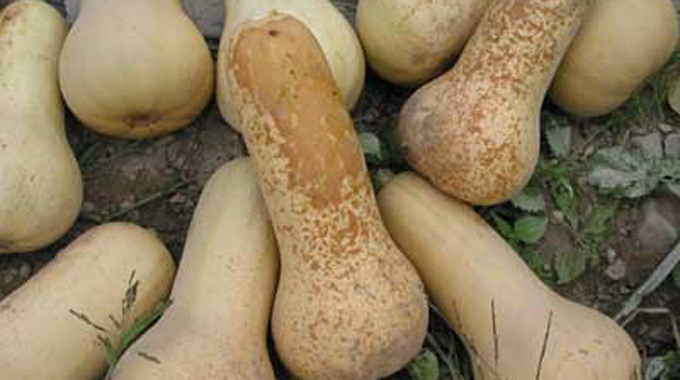
Word From The Market
with
Tina Nleya
AS Zimbabwe’s horticulture sub-sector continues to thrive, butternut farming presents a golden opportunity for farmers this summer cropping season.
With the potential for both local sales and export, butternuts offer a profitable and scalable farming option.
The Agricultural Marketing Authority (AMA), whose mandate includes linking growers with lucrative markets, is encouraging farmers to consider butternut production to tap into rising demand.
Rising demand for horticultural exports
Zimbabwe is leveraging growing trade ties to expand horticultural exports to countries like China, the Middle East and Europe.
The country is well-positioned to capitalise on its fertile land and favourable climate to meet the increasing global demand for fresh produce, including butternuts. Current market prices for butternut in Zimbabwe range between 55 US cents and 60 US cents per kilogramme, which might change as demand grows towards the festive season.
Butternut farming in Zimbabwe
Butternuts thrive in warm, sunny climates, making them ideal for Zimbabwe’s summer season.
They require well-drained soils with a pH of 5,5 to 7,5 and moderate rainfall.
Butternuts can be grown from March to August and late July to mid-November in higher altitudes, but for early production, sowing should be done from early July to August.
Butternuts are consumed by many Zimbabweans.
Dishes include butternut soup, roasted butternut and mashed butternut.
As we approach the festive season, which also has many weddings, demand for butternut might also go up.
Key steps for successful butternut farming
- Land preparation: Deep ploughing and harrowing are essential to ensure good soil aeration. Incorporate organic matter to improve soil fertility.
- Seed selection: Use certified seeds to ensure uniform germination and resistance to common diseases.
- Planting: In terms of spacing, plants should be one metre between rows and 50 centimetres within rows for optimal growth.
- Irrigation: Butternuts require regular watering, especially during flowering and fruit development. Drip irrigation is highly effective.
- Pest and disease control: Common threats include aphids, powdery mildew and squash bugs. Use recommended pesticides and practise crop rotation to mitigate risks.
- Harvesting: Harvest when fruits develop a hard shell and mature colour, typically 80 to 120 days after planting
Why consider butternut farming?
High demand: The rise in health-conscious eating and culinary trends has increased demand for butternuts locally and globally.
Export potential: Butternuts are among the crops Zimbabwe can export competitively, boosting foreign currency earnings.
Quick returns: Butternuts have a relatively short growing season and are less labour-intensive than some other crops.
AMA’s role in market linkages
AMA continues to play a pivotal role in supporting farmers by linking them to profitable markets.
Through regional offices, AMA ensures farmers have access to information about proper marketing channels, compliance with export standards and partnerships with buyers. This support is vital in reducing post-harvest losses and ensuring farmers receive fair prices for their produce.
Growers looking to diversify their income sources should seize the opportunity presented by butternut farming.
With proper planning, market support from AMA and adherence to best farming practices, butternut production can significantly enhance household incomes, while contributing to Zimbabwe’s economic growth.
Tina Nleya is AMA’s marketing and public relations manager. She can be contacted on email: [email protected]. Word From The Market is a column produced by AMA to promote market-driven production.



 Online Reporter