


 malvernmugadzikwa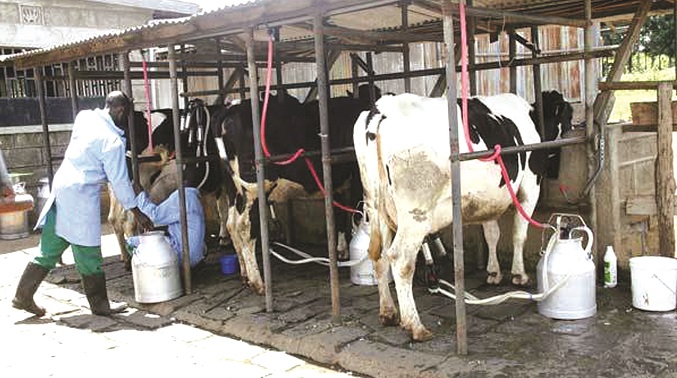
Business Reporter
AN initiative to establish three new village milk aggregators in Chipinge, meant to preserve fresh milk during transportation to the market, is expected to transform livelihoods and improve national raw milk supply.
The development will benefit up to 150 smallholder dairy farmers in Chipinge district wards 3, 4 and 16.
Dairy farmers in Chipinge district, Manicaland province, have welcomed the initiative being implemented through partnerships under USAID’s Feed the Future Zimbabwe Fostering Agribusiness for Resilient Markets (FARM) Activity.
Central to this effort is the introduction of refrigerated trucks to enhance the cold chain and ensure milk quality during transportation to processors.
Ms Chido Makuvatsine, a dairy farmer in Chipinge ward 3, expressed her optimism about the new development.
“Refrigerated trucks are a game-changer for us. Before, we lost a lot of milk due to spoilage because we did not have proper transport.
“Now, with these trucks, we can deliver fresh milk to the aggregators without worrying about it going bad. This will help us earn more and grow our businesses,” she said.
The grant-supported cold chain infrastructure aims to not only improve milk quality, but also expand supply capacity.
FARM’s chief of party Mr Kudakwashe Ndoro said this investment will benefit both farmers and processors.
He added: “Processors will have a more consistent and high-quality supply of milk, reducing risks in the supply chain. Farmers, in turn, will see increased incomes and enhanced community well-being as the model is replicated.”
Mrs Chenai Ndabambi, a smallholder dairy farmer from ward 4, emphasised the importance of quality in ensuring market competitiveness.
“Transporting milk without refrigeration used to compromise its quality, especially on hot days.
“This new system will ensure that our milk remains fresh and safe, meeting the standards required by processors. It gives us confidence that we can compete with larger suppliers,” said Ms Ndabambi.
The enhanced milk value chain has already encouraged other farmers to participate in the programme, with an expected addition of 100 dairy producers to the current beneficiaries, who are supplying five established milk aggregators.
The initiative is projected to boost incomes, improve nutrition security and promote better hygiene practices for rural households.
Mr Tichaona Takaza, another beneficiary, lauded the initiative’s broader impact.
“This is more than just milk. It is about community development. With refrigerated trucks, we can think beyond survival and focus on growing our farms. It also inspires others to join dairy farming because they see the benefits of this partnership,” he noted.
The partnership is set to transform dairy farming in Chipinge, ensuring a reliable, high-quality milk supply chain while uplifting livelihoods in rural communities.
In 2023, Zimbabwe recorded a 9 percent surge in milk production to 99,82 million litres from 91,39 million litres the previous year.
However, the country’s annual milk requirement hovers around 120 million litres, and imports are being used to bridge the gap.
This marked the third consecutive year of growth in milk production, underscoring the Zimbabwe dairy sector’s resilience and success of strategic initiatives to boost milk output.
However, the producer price of milk per litre in Zimbabwe averages US$0,60 compared to the average price of US$0,40 per litre in South Africa, US$0,36 in Zambia, US$0,50 in Botswana and a world average of US$0,46 per litre.
In May, Zimbabwe Association of Dairy Farmers (ZADF) chief executive officer Paidamoyo Chadoka said local dairy products were uncompetitive due to high production costs.
This has resulted in cheap dairy products from neighbouring countries, particularly South Africa, flooding the market.
“Zimbabwe lacks competitiveness due to the unsustainably high cost of production compared to regional counterparts,” she said.
“Our cost of production is mainly driven by stock feeds costs, labour and cost of power, critical components, which are too high when compared to other countries. The high-cost environment pushes our producer prices to be among the highest in the region. At this price, most farmers are struggling to break even.
“The high costs of feed also compromise our milk yields significantly when compared to other regional players.”
Milk imports have been declining, thanks to Government efforts to boost local production, spearheaded by the Ministry of Finance, Economic Development and Investment Promotion’s strategy to curtail milk powder imports.
The plan aims to reduce imports from 75 percent in 2023 to 50 percent in 2024 and 25 percent by 2025, promoting self-sufficiency in dairy production.
These measures are part of broader initiatives to strengthen the local dairy industry and reduce dependency on imports while enhancing economic resilience.



 Online Reporter