Online Reporter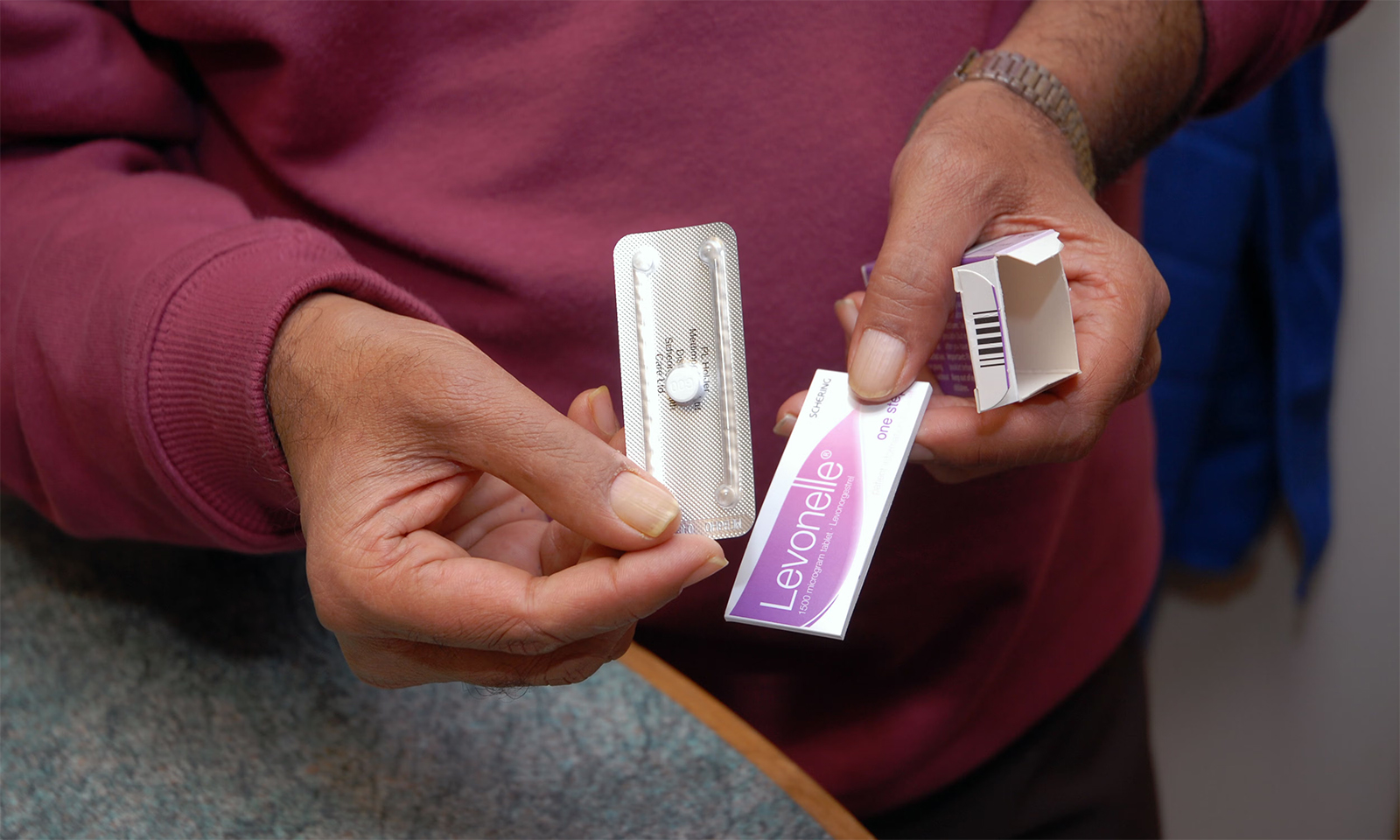
Sifelani Tsiko
Fact Check Editor
CONTRACEPTION has come under renewed focus in Zimbabwe after Population Services Zimbabwe launched an emergency contraception, commonly known as the “morning after pill” that offers protection for up to 120 hours after unprotected sex.
The introduction of the back-up pill is expected to help avoid unintentional pregnancy at a time when the country is grappling with teen pregnancy crises and other unintentional ones.
According to data from a National Assessment of Adolescent Pregnancies in Zimbabwe, 21 percent of all antenatal clinic bookings made between 2019 and 2022 were for young girls aged 10 to 19 years.
Research data also indicates that nearly 40 percent of pregnancies in Zimbabwe are unintentional and experts say of these, one in four end in unsafe abortion.
What is emergency contraception?
Emergency contraception, also known as “morning after pill” or back-up pill, is a hormonal pill taken within 120 hours of unprotected sex to prevent pregnancy by blocking the fertilisation of the egg, according to the World Health Organisation, though it is more effective within the first 12 hours.
Why is it used?
The morning-after pill is one of other forms of emergency contraception that women can use after having unprotected sex, or where other forms of contraception have failed. In addition, the World Health Organisation says it provides an important back-up in cases of unprotected intercourse or contraceptive accident (such as forgotten pills or torn condoms) and is especially valuable after rape or coerced sex.
Which entity introduced the new emergency contraception in Zimbabwe?
Population Services Zimbabwe (PSZ) — one of the country’s largest sexual and reproductive health organisations, providing services across all the 10 provinces of Zimbabwe.
What is the name of the emergency contraception introduced in Zimbabwe?
The name of the pill is called Levonorgestrel -alone (LNG ECPs) and health experts say it can reduce the risk of pregnancy by up to 90 percent. According to clinical trials, it can be effective even if taken up to 120 hours, or about five days, though it is advised to take it as soon as possible.
Has the Medicines Control Authority of Zimbabwe (MCAZ) approved the (LNG ECPs)?
The country’s drug regulatory authority approved the ECP in December 2024 after all processes were done to register. Population Services Zimbabwe is the sole distributor of the ECP under the MSI Reproductive Choices global programme.
Can it be distributed by other pharmacies and healthcare facilities?
PSZ says the ECPs can be accessed in pharmacies and other healthcare institutions that PSZ work with.
The sexual and reproductive health agency is targeting to distribute more than half a million tablets over the coming two years.
Does it need any prescription?
PSZ marketers say the back-up pill is a pharmacist-initiated medicine and can be bought from any pharmacy with a registered pharmacist without a prescription. It costs US$0.50.
Is the levonorgestrel-alone emergency contraceptive pills (LNG ECPs) safe?
“LNG ECPs are safe for use by all women, including adolescents. Levonorgestrel, the active ingredient in LNG ECPs, has been widely used in various formulations for over 30 years and has been extensively studied in women of reproductive age.
Levonorgestrel is well tolerated, is not a known allergen, leaves the body within a few days, is not addictive and has demonstrated no toxic reactions.” — WHO Fact sheet on the safety of levonorgestrel-alone emergency contraceptive pills
Do the levonorgestrel-alone emergency contraceptive pills (LNG ECPs) pose any additional risks to humans?
WHO: “LNG ECPs pose no risk of overdose and no major drug interactions or contraindications exist for LNG ECPs.
“While the World Health Organisation (WHO) recommends a single dose of levonorgestrel (1.5 mg) for emergency use within 120 hours after unprotected sex, repeat use does not pose any known health risks. Even among women who used ECPs more than once in one menstrual cycle, no serious adverse outcomes were reported. LNG ECPs have been in use for several decades and current research shows no association with increased risk of cancer.”
The public must note that this ECP is a short term method of contraception and cannot replace available long–acting contraceptives or birth control methods.
Are there any side effects caused by LNG ECPs?
LNG ECPs have no serious or lasting side- effects, according to the WHO. The world health agency only says some women (fewer than one in five in studies) experience mild and short-term side-effects, the most common being irregular menses. “Other reported side-effects include fatigue, abdominal discomfort and nausea.”
Can LNG ECPs increase risk of ectopic pregnancy — (when a fertilised egg implants itself outside of the womb, usually in one of the fallopian tubes)?
LNG ECPs do not increase the risk of ectopic pregnancy, a potentially dangerous condition in which a fertilized egg implants outside of the womb, according to the WHO.
Can use of LNG ECPs affect future fertility?
The use of hormonal contraception, including ECPs, has no effect on future fertility, according to the WHO. LNG ECPs leave the body within a few days and women who have used ECPs can become pregnant from any subsequent acts of sexual intercourse.
Can LNG ECPs cause an abortion?
WHO: “LNG ECPs do not interrupt an established pregnancy or harm a developing embryo. The evidence available to date shows that LNG ECP use does not prevent a fertilised egg from attaching to the uterine lining. The primary mechanism of action is to stop or disrupt ovulation.”
How widespread is this contraceptive pill used?
The day-after pill is available without a prescription in more than 70 countries across the world.
Other countries allow emergency contraceptives, but some require prescriptions or have a minimum age requirement. Several African countries have approved the use of emergency contraceptive pills (ECPs) and these include Algeria, South Africa and Malawi.
The ECPs are also available in other African countries but the specific regulations and availability vary. Rates of emergency contraception (EC) use in Africa are highest in Kenya and Nigeria.
Sources
— WHO Fact sheet on the safety of levonorgestrel-alone emergency contraceptive pills
— Population Service Zimbabwe
— HealthTimes