

 admin
admin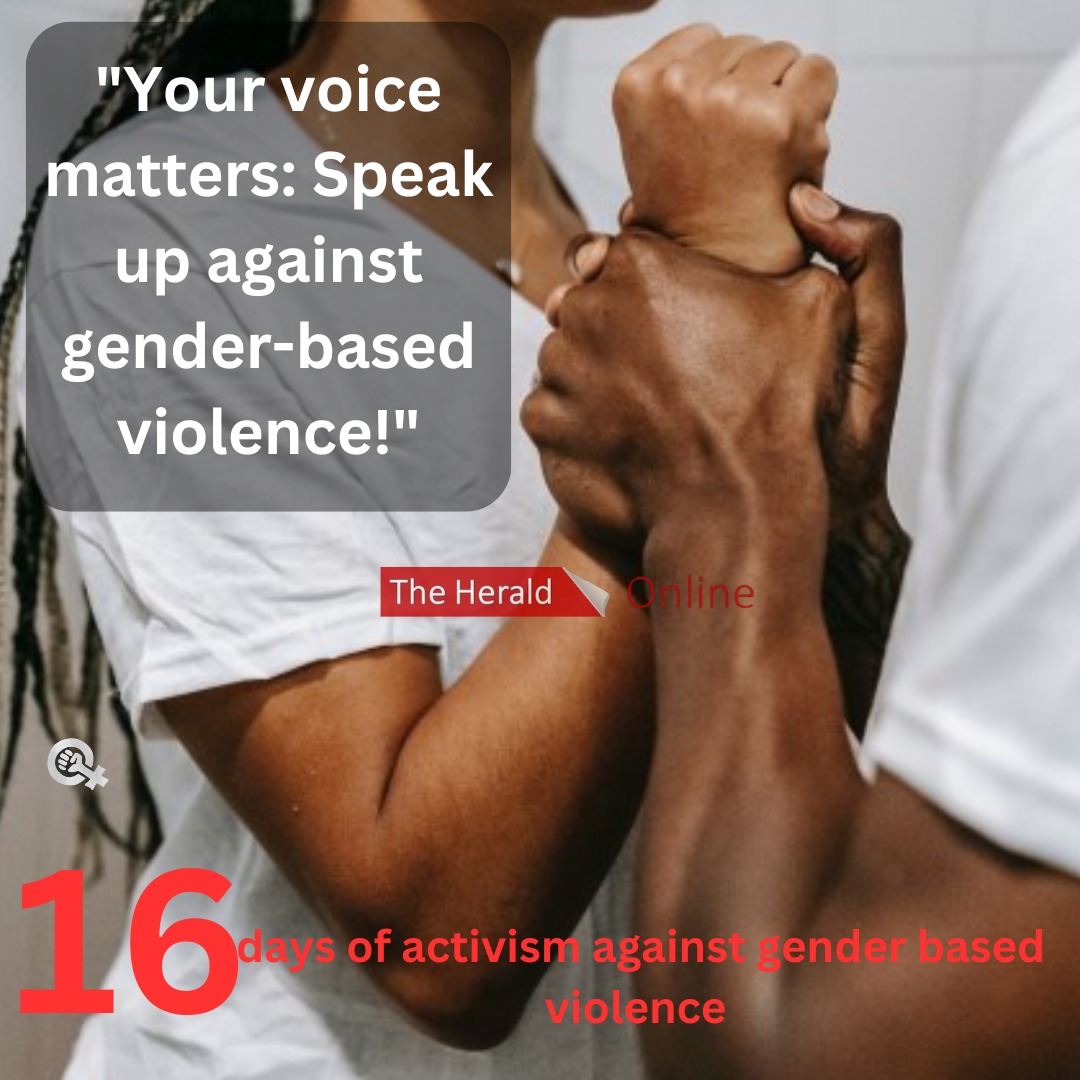
Dr Murudo Kamhara-Mutape
In the haunting aftermath of gender-based violence (GBV), a thousand and one voices echo the same question: “Where does it hurt?”
It’s a query that seeks tangible evidence – physical scars, visible wounds, and bleeding marks.
But what about the wounds that run deeper, the scars that remain unseen? These are the invisible marks etched on the psyche, the silent screams of survivors who bear the burden of mental anguish in silence.
When we talk about the impact of GBV, we often focus on the physical trauma while overlooking the profound mental health implications that linger long after the bruises fade.
The mental health toll of GBV is a shadowed realm, clouded by stigma and the fear of societal judgment. Survivors are left grappling with the weight of their experiences, carrying unseen scars that cut deep into their souls.
The mental health effects of GBV are as real as they are devastating. The trauma inflicted by such violence can lead to a myriad of psychological struggles, including:
1. Post-Traumatic Stress Disorder (PTSD): Survivors of GBV often experience debilitating symptoms of PTSD, such as flashbacks, nightmares, and severe anxiety symptoms. The trauma they endured continues impacting their daily lives and sense of safety.
2. Depression and anxiety: The constant fear, shame, and emotional distress resulting from GBV can trigger depression and anxiety disorders. Survivors may struggle with overwhelming sadness, hopelessness, and persistent worry about their safety and well-being. They may detach from activities that usually gave them pleasure and may self-isolate, thereby getting affected socially and professionally.
3. Self-esteem and body image issues: GBV can shatter a survivor’s self-esteem and perception of self-worth. They may grapple with feelings of shame, self-blame, guilt, and worthlessness, leading to negative body image and self-destructive behaviours.
4. Substance abuse: Many survivors turn to substance abuse as a coping mechanism to numb the pain and memories of their trauma. Common substances of abuse include alcohol, cigarettes, cannabis (mbanje) and many other illicit drugs. This can exacerbate existing mental health issues and create a cycle of dependency and self-destructive behaviour.
5. Eating disorders: GBV can trigger eating disorders such as anorexia nervosa, bulimia nervosa, or binge-eating. Survivors may develop unhealthy relationships with food as a way to cope with the emotional distress and regain a sense of control.
6. Dissociation: In response to the trauma of GBV, survivors may experience dissociation, a coping mechanism where they disconnect from their thoughts, feelings, or sense of identity. This can lead to a disconnection from reality and a feeling of being detached from oneself.
7. Sleep disorders: Survivors of GBV may struggle with sleep disorders such as insomnia or nightmares. The trauma they experience can disrupt their sleep patterns, leading to chronic fatigue, irritability, and difficulties in functioning during the day.
As we shine a light on GBV, it is crucial to acknowledge the profound impact it has on mental health. Survivors deserve to have their stories heard, their pain validated, and their mental well-being prioritized.
It is only by breaking the silence, challenging stigma, and offering support and resources that we can begin to heal the invisible wounds that GBV leaves behind.
In a world where the echoes of violence reverberate far and wide, let us stand together in solidarity with survivors of GBV, offering compassion, understanding, and a safe space for healing.
The scars may be hidden, but the pain is real, and the voices of survivors deserve to be heard, believed, and supported on their journey towards healing and recovery.
#16DaysOfActivism
#365DaysOfAction
Dr Murudo L Kamhara-Mutape is a Psychiatry Resident and a Principal Medical Practitioner at Medinsight Family Clinic. Feedback: [email protected]


 Online Reporter