

 Online Reporter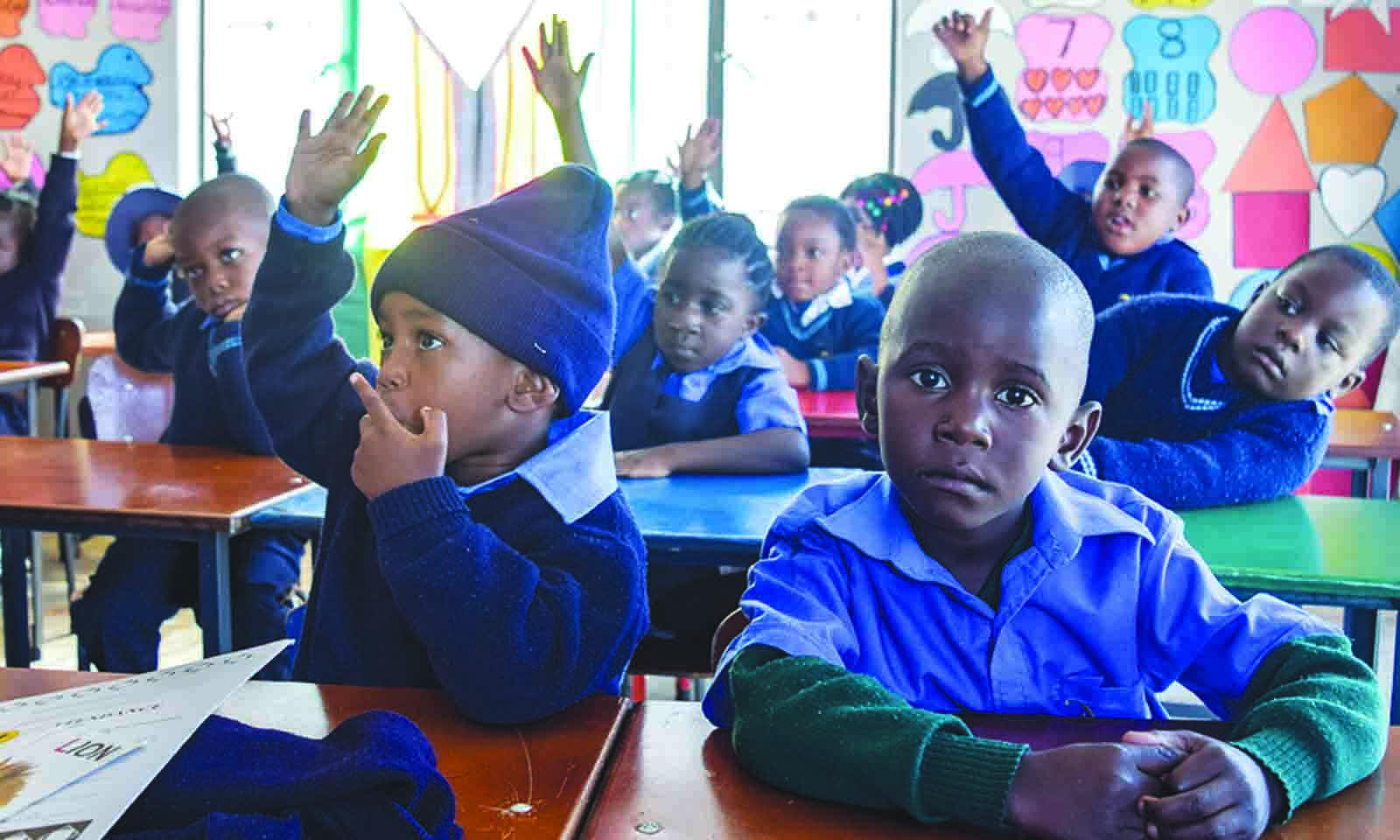
Innocent Mujeri
THERE is a quiet revolution that Zimbabwe needs – one that does not require protests or political upheaval, but a fundamental shift in how we educate our children.
At the heart of this transformation should be the deliberate cultivation of patriotism, woven seamlessly into the fabric of our education system from the earliest years of schooling through to university.
This is not about empty slogans or performative nationalism, but about nurturing a generation that understands its role in nation-building and feels a deep, abiding connection to this land and its people.
Imagine a classroom where four-year-olds are not just taught to identify colours and shapes, but learn the meaning behind the vibrant stripes of our flag, where the green represents our fertile lands, the gold our mineral wealth, the red the bloodshed for liberation and the black our heritage.
These are not abstract concepts, but the foundation upon which a child’s sense of belonging is built.
By the time those children reach secondary school, their understanding of patriotism would have matured beyond symbols into active citizenship – discussing how to improve their communities, debating ethical leadership and understanding that national development is not someone else’s responsibility, but theirs.
The benefits of such an education would ripple across our society in profound ways.
Consider for a moment the brain drain that has deprived Zimbabwe of so much talent. While economic factors drive this exodus, something deeper is at play, a weakening sense of attachment to the soil that nurtured these professionals.
When education instils the understanding that true success is measured not just by personal achievement, but by contribution to one’s society, we create doctors who see their work as healing the nation, engineers who view infrastructure as nation-building and teachers who understand they are shaping Zimbabwe’s future.
This is the antidote to the “anywhere, but here” mentality that has cost us so dearly.
A patriotic education would also transform how we engage with our economy.
Picture a marketplace where Zimbabweans instinctively reach for locally-produced goods, not out of compulsion, but because they understand that every purchase is a vote for domestic industry, job creation and national self-sufficiency.
This economic patriotism, taught from primary school through case studies of successful local enterprises, would create a virtuous cycle of production and consumption that lifts entire communities.
Our political culture stands to gain perhaps the most from this educational shift.
When students learn that patriotism means holding leaders accountable, we cultivate citizens who engage critically with governance.
University seminars could explore how true patriots combat corruption not through silence, but through whistleblowing, how they participate in elections not as rituals, but as sacred duties and how nation-building requires both constructive criticism and active participation.
Beyond economics and politics, the cultural renaissance sparked by patriotic education would be extraordinary. Schools would become custodians of our languages, our traditions, our music and our art – not as museum pieces, but as living, evolving expressions of who we are.
When children in Bulawayo learn Shona proverbs while those in Harare study Ndebele folklore and when students in rural schools exchange cultural projects with urban peers, we build a patriotism rooted in mutual understanding and shared heritage.
The most beautiful aspect of this vision is that patriotic citizens don’t wait for the Government to act – they become the foot soldiers of development.
They organise community clean-ups not because they are paid, but because they take pride in their neighbourhoods.
They mentor younger students not for recognition, but to strengthen the next generation.
They report corruption not for reward, but because they cannot stand to see their country robbed. They innovate not just for profit, but to solve Zimbabwean problems with Zimbabwean solutions.
This is the transformative power of making patriotism an educational priority – not as a subject confined to textbooks, but as a living philosophy that shapes how Zimbabweans think, work and engage with their nation.
From the crayon drawings of our youngest learners to the doctoral theses of our scholars, the thread of patriotic responsibility should run unbroken.
The Zimbabwe we all want – prosperous, united, ethically governed – will be built not just with policies and investments, but with citizens whose education taught them that loving one’s country means working tirelessly for its betterment.
This educational revolution requires no legislation, only the collective will to say, “Our children deserve to inherit not just a country but a cause worth serving”.
And Zimbabwe deserves citizens who don’t just live within its borders but who live for its future.
That is the true meaning of patriotism, and that is what our schools must teach.



