

 Online Reporter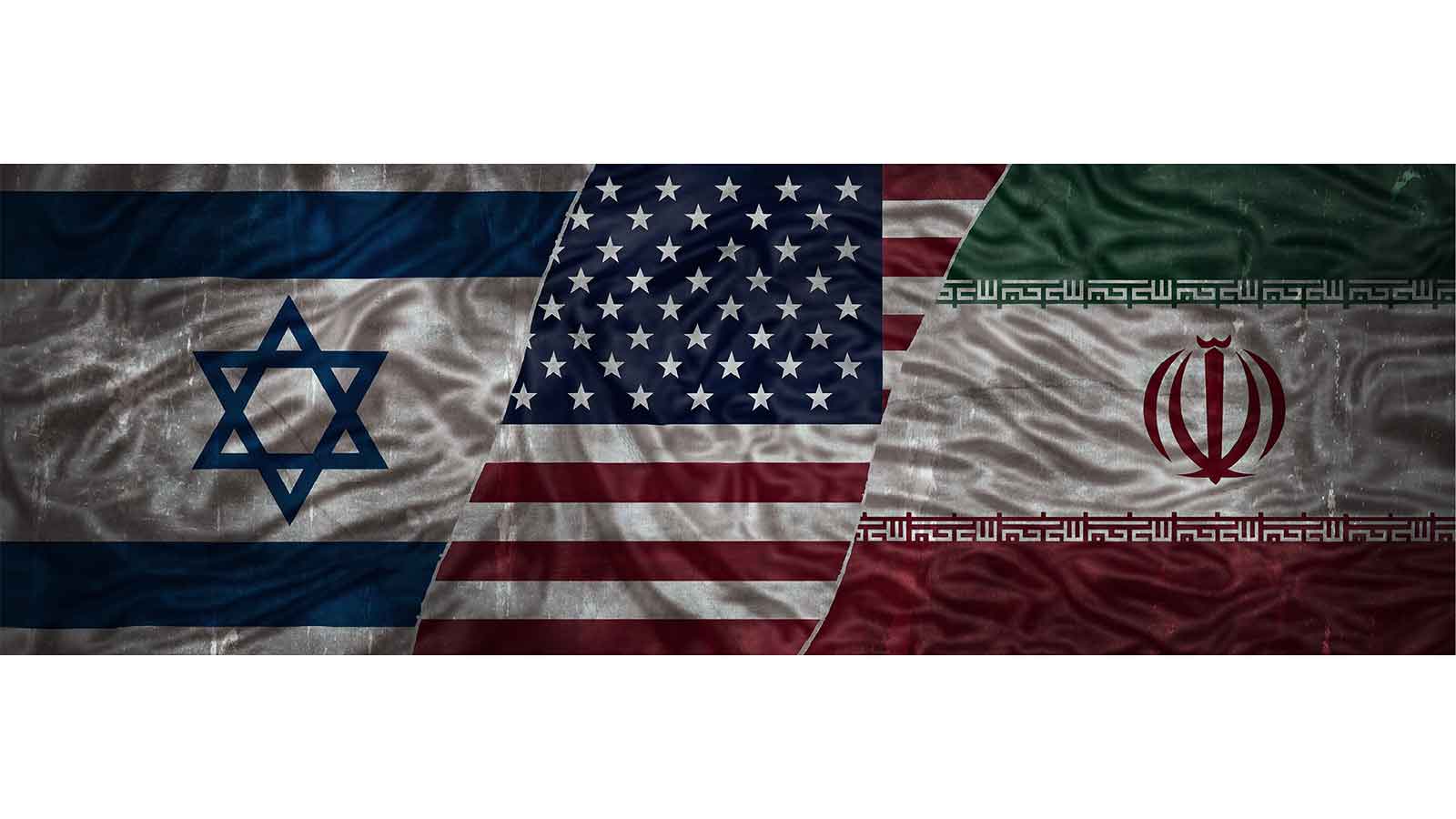
Dr Amir Hossein Hosseini-Iranian Ambassador to Zimbabwe
RECENT military strikes by the United States and Israel against the Islamic Republic of Iran have raised serious concerns about the future of international law, the credibility of diplomacy, and the stability of West Asia.
According to Iranian sources, the attacks began early on February 28, when explosions were reported in Tehran and several other Iranian cities.
The strikes occurred during the holy month of Ramadan and, notably, at a time when diplomatic negotiations between Tehran and Washington were reportedly making progress through mediation efforts facilitated by Oman.
From the Iranian perspective, the timing of the attacks has reinforced long-standing concerns about the fragility of international diplomacy when confronted with the complexities of geopolitical power politics.
Iranian officials maintain that negotiations had been conducted in good faith and that regional mediators believed a breakthrough was possible.
However, the sudden military escalation has cast doubt on the effectiveness of diplomatic engagement and raised broader questions about the role of negotiation in resolving international disputes.
Analysts in Tehran argue that the strikes represent more than a military confrontation; they symbolise what they see as a wider erosion of international norms governing the conduct of states.
Under the Charter of the United Nations, the use of force against the sovereignty and territorial integrity of another state is prohibited, except under clearly defined circumstances, such as self-defence.
Iranian authorities maintain that the attacks against their country constitute a violation of these principles.
Among the concerns raised by Iranian officials are the attacks targeted at civilian areas and leadership figures.
Confirmed reports state that the residence of the country’s Supreme Leader was struck during the first wave of strikes that resulted in his death, a number of members of his family, as well as High-ranking officials and military commanders.
Further incidents reportedly involved attacks on civilian infrastructure. Iranian sources say missile strikes in the southern city of Minab hit an elementary school, resulting in significant casualties among children, including the death of 168 schoolgirls.
Tehran has described these incidents as war crimes and a part of a broader pattern of attacks on civilian facilities, including hospitals, residential buildings, humanitarian organisations, historical sites, stadiums, and media institutions.
Such verified incidents represent serious violations of international humanitarian law, which places strict limits on the targeting of civilians and civilian infrastructure during armed conflict.
For many observers in the Global South, the unfolding crisis highlights deeper structural concerns about the international system.
The perceived inability of international institutions, especially the United Nations, to prevent or effectively respond to acts of aggression has fuelled debate about the imbalance of power within global governance structures.
Critics argue that the selective application of international law by the US undermines confidence in the rules-based order and creates a dangerous precedent that could destabilize entire regions.
Iran has responded by invoking its right to self-defence under Article 51 of the UN Charter.
Officials in Tehran say their response is intended not only to defend their national sovereignty but also to deter further aggression.
Iranian leaders insist that their country has historically avoided initiating wars and has often contributed to regional stability, particularly through efforts to combat extremist groups and transnational security threats.
Nevertheless, Tehran argues that years of restraint in the face of threats and hostile actions have been interpreted by some adversaries as weakness.
Iranian authorities have repeatedly warned that continued aggression would compel the country to respond decisively.
In this context, Iranian officials say their current actions are directed solely at legitimate military targets linked to the United States and Israel.
At the same time, Tehran has reiterated its commitment to maintaining constructive relations with neighbouring states and emphasized the importance of regional cooperation in ensuring lasting peace and development.
According to Iranian authorities, this war was not their choice.
This war was imposed on them.
They claim that this is a patriotic war and Iranians have always shown throughout history that they will not hesitate to sacrifice even their lives in defence of their land, integrity, and honour.
Many analysts believe that the crisis underscores the urgent need for stronger regional dialogue mechanisms capable of addressing security challenges without external military intervention.
As the situation evolves, the international community faces a critical test.
The ability of global institutions to uphold international law, prevent escalation, and promote genuine diplomatic solutions will shape not only the outcome of this conflict but also the credibility of the international system itself.
For many countries in the developing world, the stakes extend well beyond a single regional crisis.
The unfolding events have become part of a broader debate about sovereignty, justice, and the role of international law at a time when some policies appear to echo the revival of colonial and imperial narratives in an increasingly multipolar world.



