Online Reporter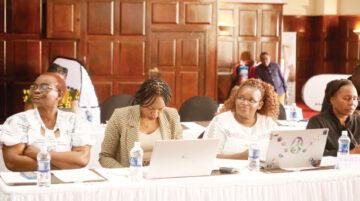
Nqobile Tshili, [email protected]
ZIMBABWE has secured a US$10 million scholarship fund to boost the training of Science, Technology, Engineering and Mathematics (STEM) at tertiary institutions with a bias on supporting females and disadvantaged students.
The funding is from Forum for African Women Educationalists in Zimbabwe (FAWEZI), which is part of the Forum for African Women Educationalists (FAWE), with membership in 10 countries in Africa.
FAWE is a pan-Africanist institution that brings together influential women on the continent in support of the continental developmental agenda and has partnered Mastercard Foundation to bring positive change on the continent. Representatives from the organisation, tertiary institutions and Government yesterday held a sensitisation meeting in Bulawayo to unpack the project dubbed the “Second Chance Pathways for Increased Access to Tertiary Education for Marginalised Young Women and Young Men”.
During deliberations, it became clear that few female students were taking up STEM courses when they enrol at polytechnics and universities.
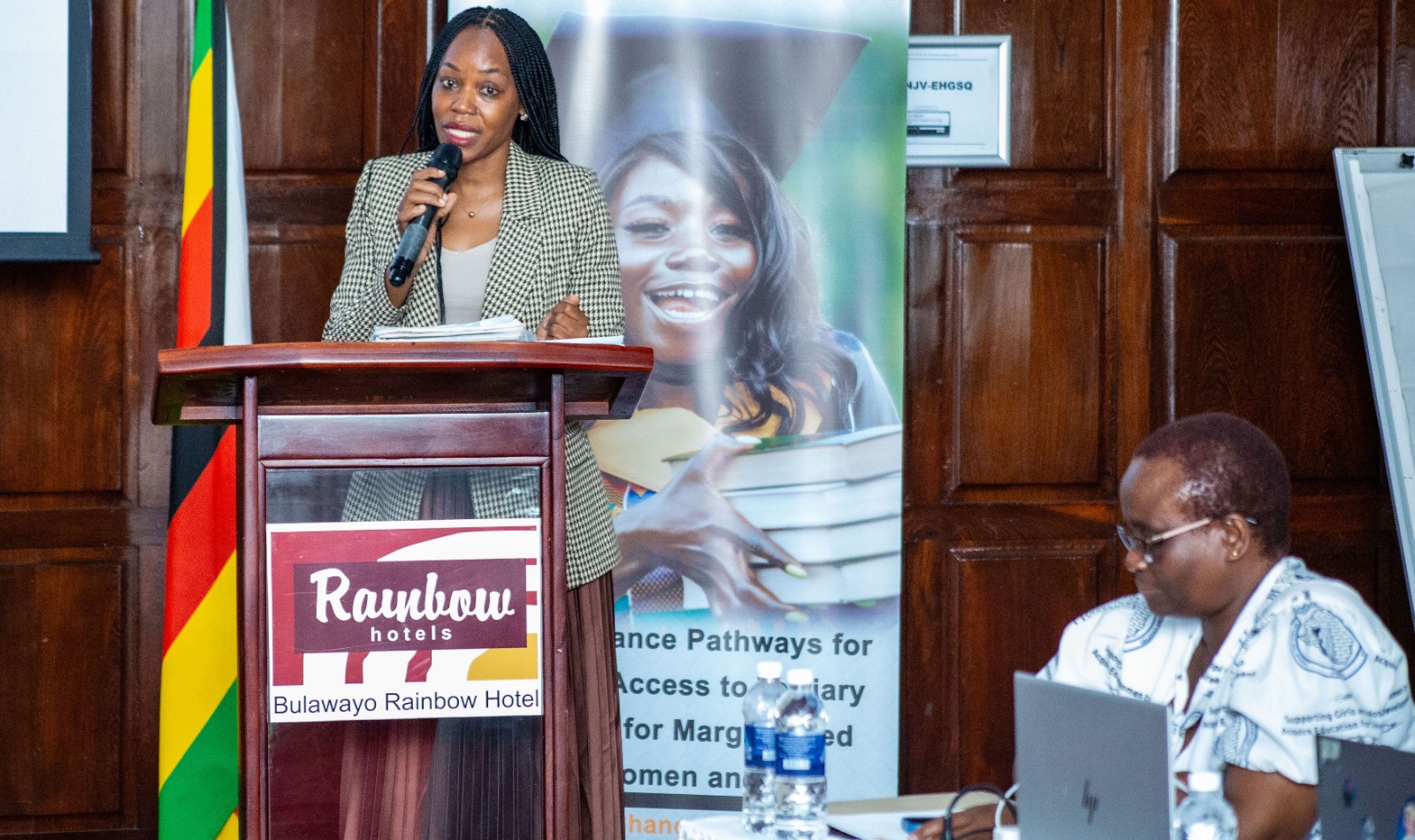
FAWEZI executive director, Ms Lydia Madyirapanze, said the programme seeks to increase opportunities for young women and men in the STEM field.
“We seek to promote young women and men who have finished secondary education and want to transit to tertiary education. We are targeting those coming from marginalised backgrounds who need support to proceed to colleges and universities,” she said.
Ms Madyirapanze said 80 percent of the programme’s beneficiaries will be females while the remaining 20 percent will be males.
“So, it’s inclusive, we are not just assisting young women but young men as well. We also want to ensure that five to 15 percent of the students benefiting are students with disabilities,” she said.
Ms Madyirapanze said Zimbabwe has been granted a US$10 million to support the most vulnerable students to take STEM courses and the programme’s target is to support at least 10 000 students across the continent until 2030.
Some of FAWE members include Zambia, Malawi, Kenya, Ethiopia and Liberia.
“Across the 10 countries, we seek to support 6 150 students enrolled at technical vocational training colleges and 4 440 at universities,” she said.
Ms Madyirapanze said in Zimbabwe the programme started last year and will run until 2030.
She said her team is working with local universities and colleges to identify beneficiaries.
Ms Madyirapadze said under the programme, her organisation has partnered Esigodini Agricultural College, Bulawayo Polytechnic, Gweru Polytechnic, Kwekwe Polytechnic, Belvedere Technical Teachers College, Mutare Polytechnic, Lupane State University, Chinhoyi University of Technology, Manicaland State University of Applied Sciences and Bindura University of Science Education.
“I should also state that as an organisation we want to demystify the stereotypes that are surrounding STEM courses,” she said.
Ms Madyirapanze said there are few female students who are taking up STEM courses and this was confirmed by tertiary institutions yesterday.
She said the programme to promote STEM courses has been designed to be in line with the National Development Strategy (NDS) and Higher and Tertiary Education, Innovation, Science and Technology Development Strategic Plan of human capital development, which promotes STEM subjects.
This initiative dovetails with the Government’s knowledge-based economic development strategy where tertiary institutions are being capacitated to lead innovation and industrialisation.
Mrs Madyirapanze said the country will not achieve inclusive development when few women take STEM courses.

Harare Polytechnic College spokesperson, Mr Admire Masuku, welcomed the initiative saying it will address challenges of female students who fail to complete their programmes upon enrolment due to lack of funding.
“I think there are quite a number of challenges that students face as they pursue their studies. Most of the challenges have to do with funding and accommodation,” he said.
Mr Masuku said the programme is likely to contribute to more female students in the STEM field completing their studies.
Kwekwe Polytechnic College principal, Mr Evans Musara said the project is expected to benefit the girl child who most of the time does not pursue further studies upon completing secondary education.
“We have seen cases, especially in Gokwe, where girls do not proceed to colleges or universities.
This prompted us to introduce ‘under our work for fees programme,” he said. -@nqotshili