Online Reporter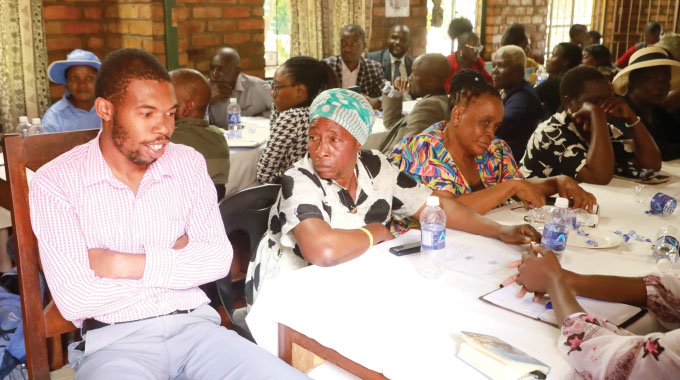
Sikhulekelani Moyo, [email protected]
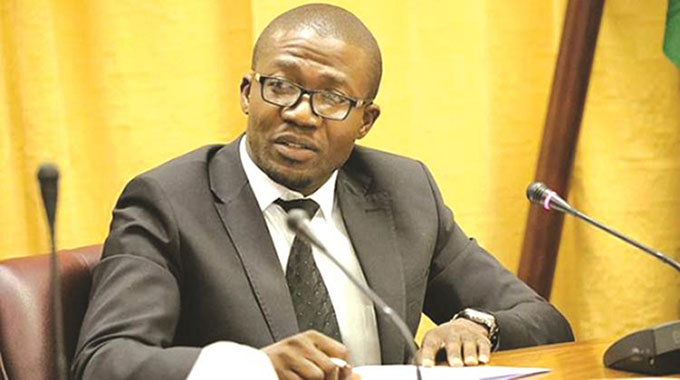
INDUSTRY and Commerce Minister Mangaliso Ndlovu has said the Government is working on measures to resolve the country’s unsustainable trade deficit, which he blamed on weak manufacturing sector performance.
He said this in a speech read on his behalf by the ministry’s Bulawayo provincial director, Mrs Mary Chingonzoh, in Lupane to explain interventions under the Zimbabwe Industrial Reconstruction Growth Plan (ZIRGP).
Minister Ndlovu said the plan focuses on the importance of supporting local production through initiatives to promote local content.
He said during the implementation period, the plan would address issues such as competitiveness, cost of doing business, availability and affordability of key enablers.
“There shall be a strong focus on the manufacturing sector, particularly our ability to build a resilient and growing sector,” said Minister Ndlovu.
“We have to deliberately and internationally deal with the stubborn negative trade balance.
“In my view, the negative trade balance is the failure of the manufacturing sector.”
Last month, the Zimbabwe National Statistics Agency (ZimStat) reported that the country’s trade deficit for January 2025 was US$96,8 million, a 51 percent drop from US$197,3 million in December 2024.
A trade deficit occurs when a country’s value of imports is greater than that of exports in a given period. When the value of exports exceeds the value of imports, it implies a trade surplus.
The ZIRGP is a transitional plan that takes the country forward following the expiry of the Zimbabwe National Industrial Development Policy, launched in December 2023, to the successor policy strategy.
The Zimbabwe National Industrial Development Policy 2 will be launched together with the National Development Strategy 2 (2026-2030).
NDS1, the country’s five-year economic blueprint will run its course by the end of this year.

Minister Ndlovu said ZIRGP provided a robust framework to address, capitalise on strengths, and build a prosperous industrial and commercial sector that contributes meaningfully to Zimbabwe’s socio-economic development.
During the deliberations, stakeholders appealed to the Government to support rural industrialisation through initiatives that promote competitiveness, improve market accessibility, and reduce the cost of doing business.
They said rural businesses faced more challenges than their urban counterparts due to the prohibitive cost of accessing raw materials, markets, and other resources.
The challenges required the Government’s intervention, they said.
Other issues raised during the meeting included the need to establish a one-stop shop and decentralisation of services to make it easy for rural businesses to register and access services at minimal or low cost.
In her remarks, regent Chief Mabhikwa (Zanele Khumalo) said there was also a need for skills development, especially in areas like timber value addition to promote start-up businesses and create employment opportunities.
She also called upon businesses to support each other, saying that the Government cannot create employment for everyone, stressing that if businesses work together, they can prosper and promote economic growth in Matabeleland North and the nation at large. —@SikhulekelaniM1