

 admin
admin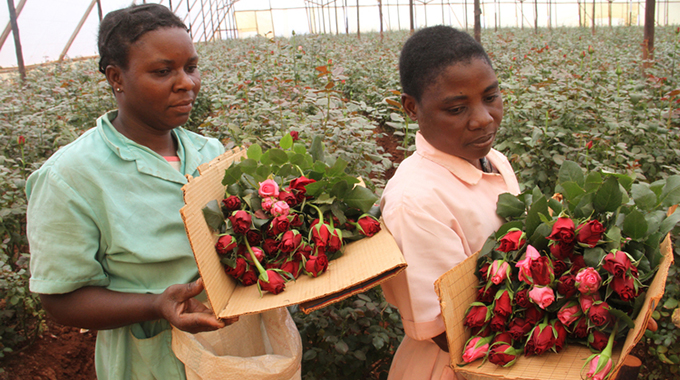
Oliver Kazunga
ZIMBABWE has the potential to generate over US$1 billion from exporting horticultural products around the world riding on the country’s favourable climatic conditions and private sector participation.
ZimTrade manager for export development, Mr Tatenda Marume, said this during the southern region horticulture export awareness virtual meeting held last Thursday.
The meeting was organised by ZimTrade, the country’s trade and development agency. In his address, Mr Marume said Zimbabwe was currently exporting around US$120 million worth of horticulture products annually.
“This is still less than what we did in 1998 and 1999 and the reason why I am saying this is not to depress you but to show there is potential in that particular sector,” he said.
“With the right interventions and private sector participation, we can do better and go beyond the US$1 billion mark.”
The country grows a number of horticulture products that include citrus fruits, flowers, peas and berries, among others.
Some of the products contributing the bulk percentage to Zimbabwe’s fresh farm produce exports are citrus fruits at 32 percent, flowers (25 percent) and peas (19 percent).
“The reasons why we are competitive in exporting the horticulture products, I think, it’s common to everyone that we have one of the best climates in terms of production of crops,” said Mr Marume.
“The temperature and rainfall give us unique supply windows into the markets . . . and this gives us quite a good advantage in terms of the pricing during those window periods.”
He said Zimbabwe was known the world over for producing products of unique taste and these have not been just claims but there has been scientific explanation to that.
“The reasons being, we actually have a conducive climate, the right soils to produce some of the best produce and favourable trade agreements with key markets specifically the European Union where according to the EPA, we can export duty-free to them.
“This gives you a leg up and because of Brexit, United Kingdom is one of our key markets as well. We are probably going to have a roll-over of the same conditions with the EU where there is duty-free and quota access into these markets,” he added.
The horticulture sector in Zimbabwe, Mr Marume, said has been vibrant since the 1980s and grew rapidly over the years before reaching its peak between 1998 and 1999 where the country generated about US$143 million, contributing 4,5 percent to the Gross Domestic Product (GDP).
Currently the horticulture industry contributes less than one percent to the GDP. At its peak, Zimbabwe is exporting more than what Kenya exported at the time but now the East African country has gone past the US$1 billion mark in horticulture exports.
In 2011, the country’s horticulture exports stood at US$54 million and the trajectory has been increasing over the years to US$122 million last year.



 Online Reporter