Online Reporter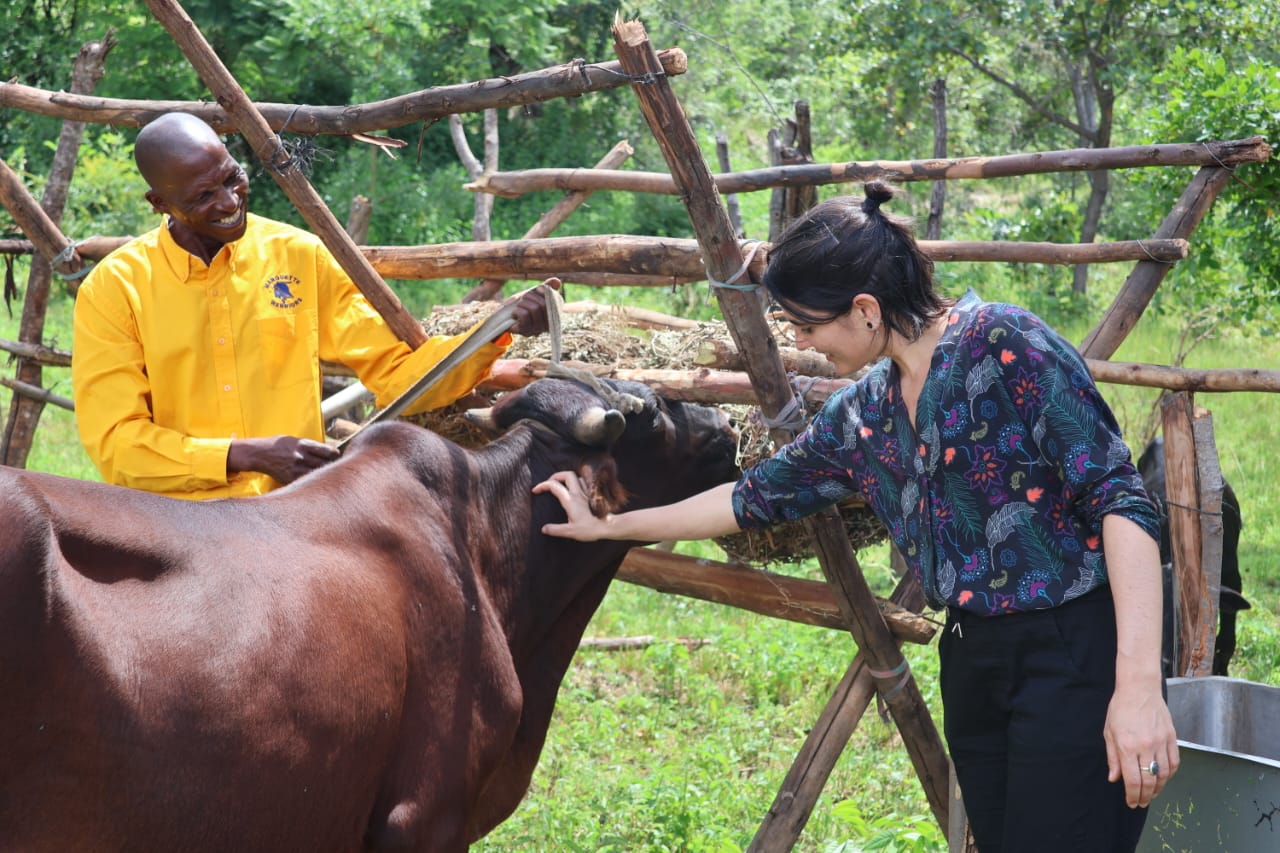
Theseus Shambare
A US$400 000 livestock climate project in Murehwa District is set to transform smallholder farmers’ livelihoods by promoting climate-smart feeding systems designed to reduce methane emissions, boost productivity, and strengthen resilience against drought.
The initiative brings together Government departments, the United Nations’ Food and Agriculture Organisation (FAO), research institutions and universities to align Zimbabwe’s livestock production with its climate commitments under the Nationally Determined Contributions (NDCs).
Livestock production accounts for a significant share of the country’s greenhouse gas emissions, with cattle enteric fermentation contributing 43,6 percent of methane, a potent gas responsible for nearly a third of global warming.
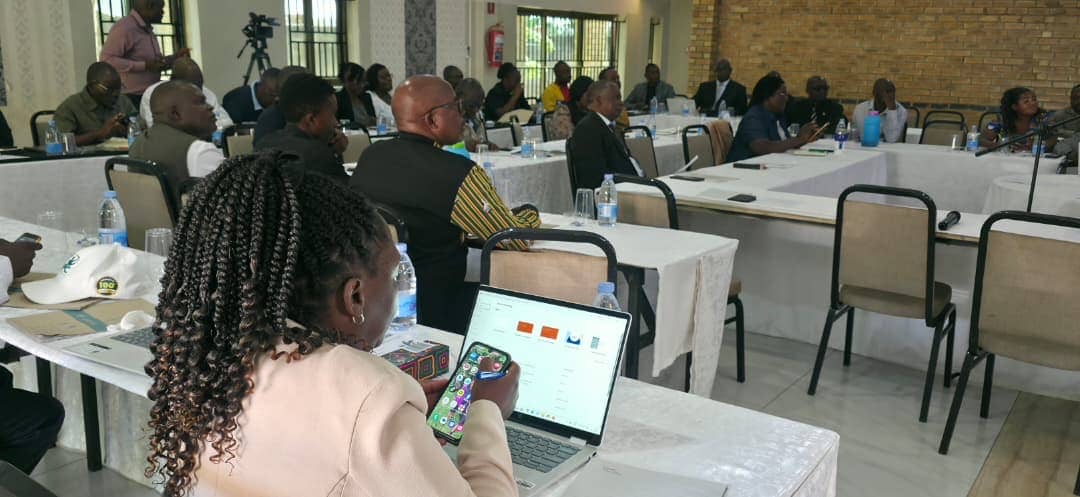
Speaking during a field visit to Mukurasha Village in Ward 11 of Murehwa recently, following a national livestock climate workshop in Harare, Director of Livestock Research in the Ministry of Lands, Agriculture, Fisheries, Water and Rural Development, Mr Andrew Chamisa, said scaling up climate-smart systems would improve herd productivity without increasing herd size.
“Scaling up climate-smart livestock systems will not only boost calving rates but also safeguard grazing lands and enhance farmers’ incomes.
“As we aim to expand the national herd to six million, this must be done sustainably, grounded in climate-smart practices,” he said.
Climate change mitigation officer Mr Tapiwa Kamuruko described the project as both a mitigation and adaptation measure.
“This project is very important in the climate context. We want to build resilience given the impacts we are experiencing, particularly increasing droughts and erratic rainfall,” he said.
FAO cluster leader for Livestock, Environment and Climate, Dr Aimable Uwizeye, highlighted the role of improved feed strategies in reducing emissions.
“It is very interesting to see farmers adopting feed strategies that include legumes such as velvet beans. The inclusion of protein-rich legumes improves digestion efficiency and productivity,” he said.
“Legume-based feeding systems can reduce methane emissions by up to nine percent while enabling cattle to reach market weight faster. When animals grow faster, they emit less methane per kilogramme of meat produced. Efficiency becomes climate action.”
University of Zimbabwe lecturer and climate change consultant, Dr Walter Svinurai, said reforming livestock management practices was critical for meeting national emission targets.
“Current livestock management alone cannot meet our methane reduction targets. Improving feed, animal health, and breeding practices, alongside better measurement and reporting systems, is essential if we are to reduce emissions while sustaining rural livelihoods,” he said.
In Ward 11, smallholder farmers are already demonstrating the project’s approach through fodder production, pen fattening and structured feeding systems.
They cultivate lablab, lucerne, African cowpeas and velvet beans, integrate agroforestry legume trees and store hay for dry periods.
“Imagine buying a beast weighing 100 kilogrammes and selling it at 285 kilogrammes in just three months
“For years, such growth rates were only seen in commercial feedlots. Now, with these systems, it is routine for us smallholders,” said Ms Erenica Chikuruwo, one of the farmers hosting the delegation.
With these formulations, Mrs Nyoka said, she is guaranteed a calf per year on each cow.
“It gives me hope and stability, especially during the dry season when feed is scarce,” she said.
The project aims to replicate this to all livestock farmers to improve feed for at least five percent of the national herd, strengthen breeding systems and increase vaccination coverage.
Authorities say it is expected to provide a scalable national model that enhances cattle health, reduces land degradation, and contributes to Zimbabwe’s broader climate and rural development agenda.