Online Reporter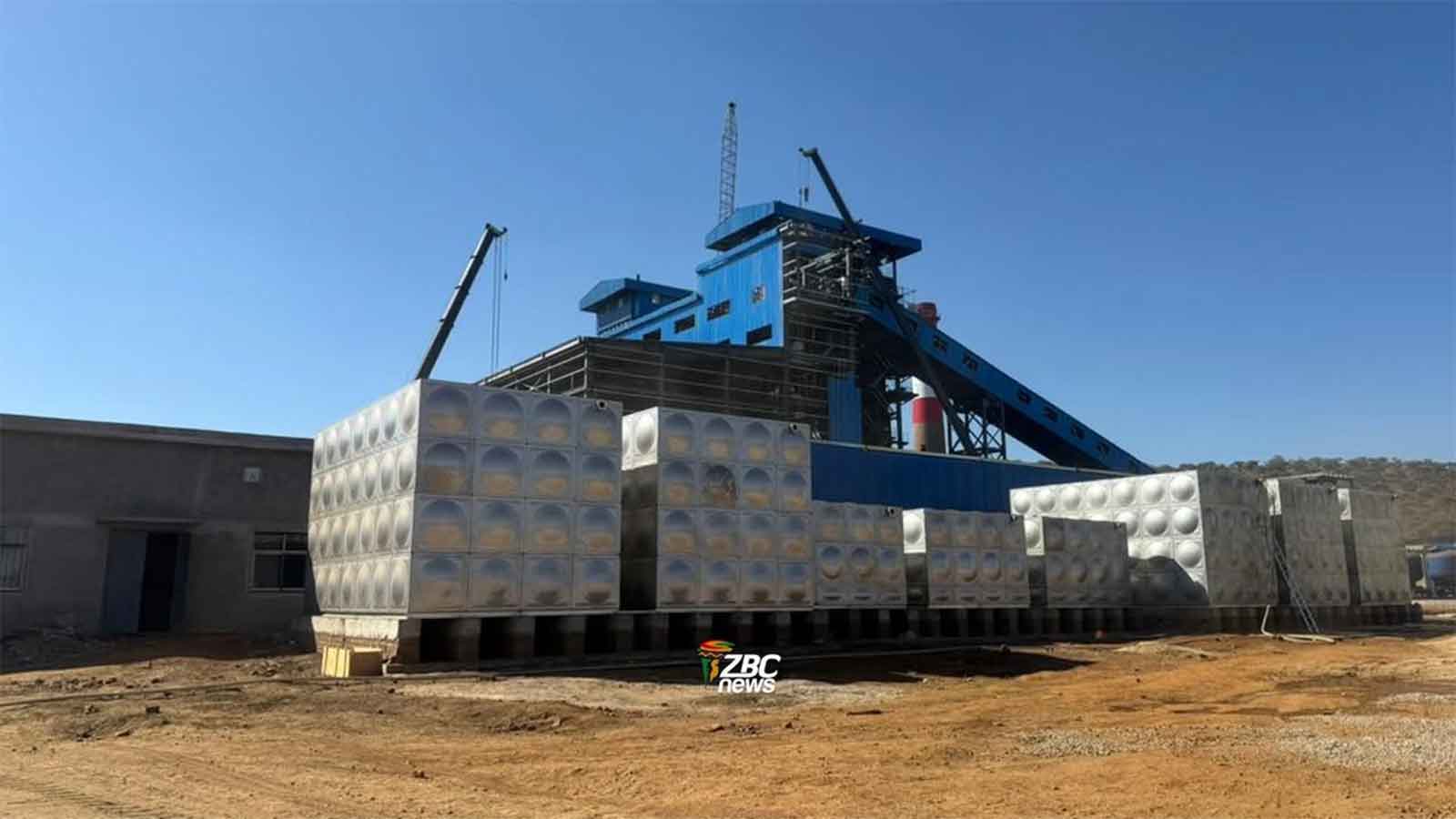
Conrad Mupesa-Mashonaland West Bureau
THE construction of a US$500 million urea and ammonium nitrate fertiliser plant in Chegutu District is gathering momentum, with production expected to begin in 2028 as Zimbabwe moves to boost local fertiliser production and reduce reliance on imports.
The fertiliser plant, located near Norton, is part of Chinese investor Broxmen Industrial Park’s Coal-to-Chemicals Complex.
This multi-million-dollar industrial project includes a cement manufacturing facility and a 210-megawatt thermal power plant.
More than US$500 million has been set aside for the fertiliser project, while an additional US$150 million investment is expected to go towards the cement plant and power generation facility.
Once operational, the fertiliser plant is projected to produce 350 000 tonnes of urea and 200 000 tonnes of ammonium nitrate annually, positioning Mashonaland West as a major fertiliser production hub while helping Zimbabwe cut its import bill.
Zimbabwe currently imports a huge chunk of its fertiliser requirements from sources in Asia, Europe and the Middle East. Global supply disruptions, worsened by geopolitical tensions including the Russia-Ukraine conflict and instability in the Middle East, have exposed the need for increased local production capacity.
The country requires approximately 780 000 tonnes of basal and top-dressing fertilisers annually to satisfy nationwide agricultural demands. While Zimbabwe possesses a highly established industrial infrastructure capable of blending and manufacturing up to 1.2 million tonnes of product, actual domestic capacity utilisation remains low and the coming of Chinese company could fill the gap.
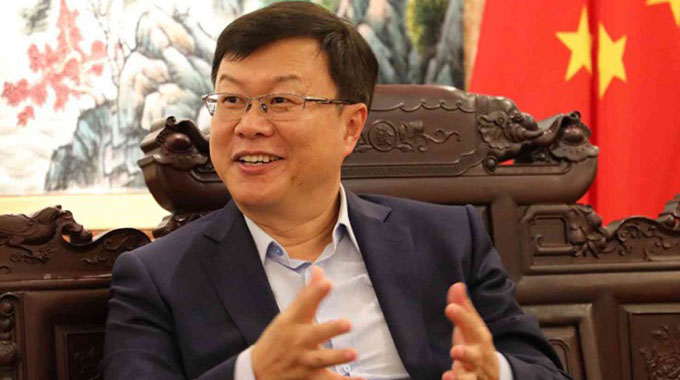
Broxmen Industrial Park Public Relations Officer Mr Youliang Xiao said the Coal-to-Chemicals Complex was a key part of the company’s long-term investment plans in Zimbabwe.
“This Coal-to-Chemicals Complex represents a major milestone in our long-term investment strategy in Zimbabwe. The project will require an investment of approximately US$500 million and is expected to commence production in 2028.
“Once operational, the plant will produce 350 000 tonnes of urea and 200 000 tonnes of ammonium nitrate annually,” he said.
Mr Xiao said the investment would strengthen local fertiliser availability, reduce dependence on imports and create opportunities for exports into the regional market.
“In addition, the project is expected to generate employment during both the construction and operational phases while promoting value addition to local resources,” he said.
Mashonaland West Minister of State for Provincial Affairs and Devolution Marian Chombo, who toured the project on Monday, said the investment demonstrated growing investor confidence in the province and Zimbabwe’s economic policies.
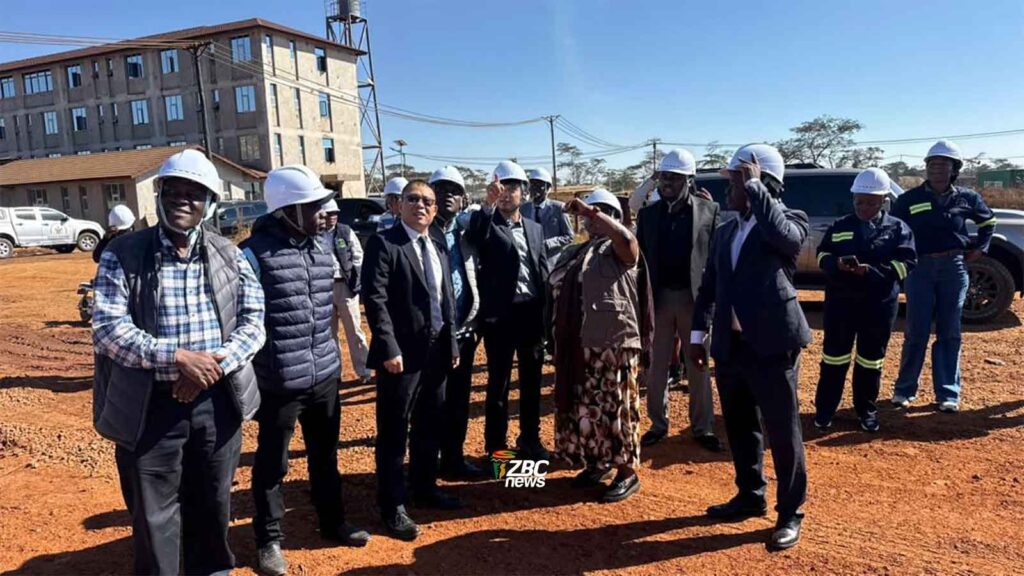
Minister Chombo said projects of such a magnitude would accelerate industrial growth, create employment and contribute to the socio-economic development of communities. – Picture: ZBC News.
“This investment is a clear vote of confidence in Mashonaland West Province and in Zimbabwe’s economic policies under the Second Republic. The proposed fertiliser plant will play a critical role in supporting agricultural productivity and food security, which remain key pillars in the attainment of Vision 2030,” she said.
Minister Chombo said projects of such a magnitude would accelerate industrial growth, create employment and contribute to the socio-economic development of communities.
“The government remains committed to creating an enabling environment for investors and ensuring the successful implementation of strategic projects such as the fertiliser plant,” she said.
The project is expected to support Zimbabwe’s industrialisation drive under the National Development Strategy 2 while contributing towards the country’s Vision 2030 goal of achieving an upper-middle-income economy.