Chronicle Editor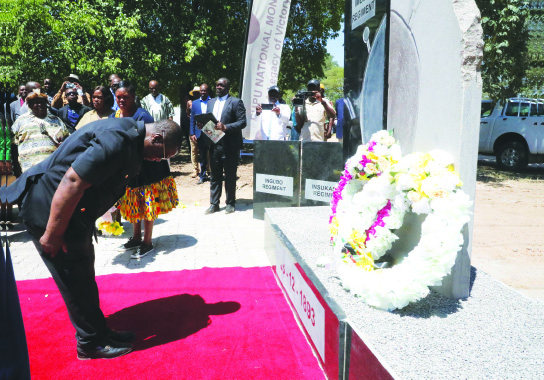
Jacqueline Ntaka
THE commissioning of the Pupu Battlefield Memorial Site in Lupane is a significant moment for Zimbabwe, not only to honour its history but also to embrace the future through technology.
The memorial site, which commemorates the historic battle where Ndebele warriors defeated the Wilson Patrol army stands as a testament to the country’s rich liberation heritage.
In today’s digital age, the integration of technology into storytelling can transform the way historical narratives are conveyed and experienced.
By leveraging audiovisual technology, interactive displays and virtual reality, the Pupu Battlefield Memorial Site and of course the National Heroes’ Acre, could offer immersive experiences that bring the liberation struggle to life.
Imagine visitors donning VR headsets to witness a re-enactment of the battle, or using touchscreens to explore interactive timelines of the liberation movement.
Moreover, technology can facilitate a deeper understanding and emotional connection to the past. Studies have shown that engaging with stories through multimedia elements can activate areas of the brain associated with empathy and emotional response.
This means that by integrating technology, the memorial sites could create a more profound impact on visitors, fostering a sense of pride and ownership of the national narrative.
Countries like India have successfully integrated technology into their historical storytelling, using digital tools such as Heritage Building Information Modelling (HBIM) and Virtual Reality (VR) to bring tangible and intangible heritage together.
Similarly, historic sites in the United States have leveraged mobile apps and social media to engage visitors and promote awareness of historical narratives.
Zimbabwe could take inspiration from these examples to create a multifaceted educational experience at the Pupu Battlefield Memorial Site and the National Heroes Acre. By incorporating VR, visitors could virtually participate in key events of the liberation struggle, gaining a deeper understanding of the historical context and emotional gravity of these battles.
Augmented reality (AR) could bring statues and monuments to life, narrating stories or providing additional information when scanned with a smartphone.
Furthermore, the use of digital storytelling can serve as an educational tool, especially for the younger generation. It can bridge the gap between the past and the present, making history relevant and accessible. An interactive website or mobile app could allow users to explore the liberation struggle’s timeline, with multimedia presentations including photos, videos and testimonies from veterans. This would not only serve as a repository of history but also as a living document that can be updated with new findings and personal stories.
The use of technology in story telling at these memorial sites would serve multiple purposes: it would act as a bridge between generations, ensuring that the sacrifices of the past are not forgotten; it would provide an engaging educational tool for schools and researchers; and it would enhance the tourism appeal of the sites, potentially increasing international interest and investment in Zimbabwe’s historical heritage.
In a nutshell, the commissioning of the Pupu Battlefield Memorial Site presents a unique opportunity for Zimbabwe to marry its historical legacy with modern technology.
By doing so, it can ensure that the tales of bravery and sacrifice that shaped the nation are not only preserved but are also told in a manner that resonates with a global audience in the 21st century.
This approach could set a precedent for how historical sites across Zimbabwe and Africa can innovate to keep their histories alive and relevant in an ever-evolving world.
Jacqueline Ntaka is the CEO of Mviyo Technologies, a local tech company that provides custom software development, mobile applications and data analytics solutions. She can be contacted on [email protected]



 Online Reporter