Vusumuzi Dube
Judith Phiri, Business Reporter
THE country continues to make giant strides towards value addition and beneficiation of minerals, with the draft Beneficiation and Value Addition Strategy in place as preparations begin for stakeholder consultations.
The mining industry is one of the country’s economic cornerstones with the sector contributing about 70 percent of the country’s foreign currency earnings. Responding to questions from Sunday News, Ministry of Mines and Mining Development Permanent Secretary Mr Pfungwa Kunaka said mineral value addition and beneficiation was expected to play a key part in the mining sector.
He said the Government was in the process of amending the Mines and Minerals Bill to capture the interest of the various mining stakeholders, while it also enacted Statutory Instrument 5 of 2023 (Unbeneficiated Base Mineral Ores) in January 2023 aimed at curbing the rampant exportation of various high-value minerals in raw form.
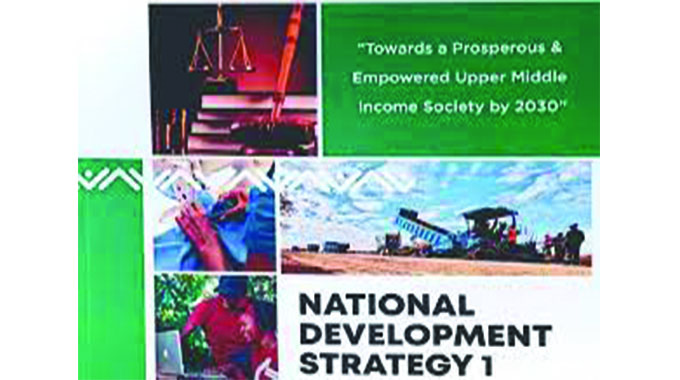
“Mineral value addition and beneficiation are expected to play a key part in the mining sector’s role in driving economic recovery and transformation in the implementation of the National Development Strategy 1 (NDS1) and attainment of the country’s Vision of an Upper Middle-Income Economy by 2030. The draft Beneficiation and Value Addition Strategy is now in place and the next stage is stakeholder consultations. This is in line with the mantra of the Second Republic of leaving no place and no one behind,” said Mr Kunaka.
The Permanent Secretary said Cabinet in August last year resolved that the export of raw chrome be banned with immediate effect and that the exports of chrome concentrates be banned with effect from 1 July 2022.
“The ban will help capacitate current smelters and maximise the value chain to be realised from the country’s abundant resources as spelt out in the NDS1. Coupled with such initiatives, an Inter-Ministerial task team, chaired by the Ministry of Mines and Mining Development is in place to coordinate the implementation of the Tsingshan Iron and Steel Value Addition project. Construction of the carbon steel project which is set to produce 600 000 tonnes per annum is underway, while targeted for completion in September 2023. Phase 1 of the project will generate US$600 million per annum with a workforce of about 2 000 people.”
Mr Kunaka said the Government was prioritising the issuance of coal licences to mining companies intending to establish coke oven batteries being complemented by the promotion of the establishment of coke oven batteries as a prerequisite to the issuance of coal mining title.
He said among other key initiatives, the Government set aside a 10 percent quota for local cutting and polishing of diamonds to encourage value addition and beneficiation. Under the Second Republic, the Permanent Secretary said investor confidence has increased due to the favourable operating environment that has been created.
“This has resulted in increased new investments in the areas of exploration, opening up of new mines, expansion of existing operations as well as mineral beneficiation and value addition. In that regard, there has been major investments in diamonds, gold, platinum, coal, lithium, chrome, ferrochrome and steel among others. There is also significant investments in the exploration of oil and gas in Muzarabani.”

Mr Kunaka said mining was contributing over 60 percent to the exports revenue, as a result, in 2022, the mining industry generated US$5,4 billion in exports revenue, compared to US$2,7 billion realised in 2017, representing about 100 percent growth in terms of mineral exports revenue.
In terms of the mining sector’s post-Uhuru gains, he said the liberalisation of the mining sector has opened a vast array of opportunities for locals to engage in the mining sector value chain from exploration, mining, value and beneficiation, marketing of minerals, and support services.
The Permanent Secretary said in terms of the Mines and Minerals Act any local could obtain a mining title upon making applications to the Ministry of Mines and Mining Development.
“This has increased the participation of small-scale miners in the production of minerals such as gold, chrome, and gemstones, amongst others. The participation of the small-scale miners has improved the socio-economic status of locals, particularly in rural communities where mining takes place.”


 Online Reporter