admin
admin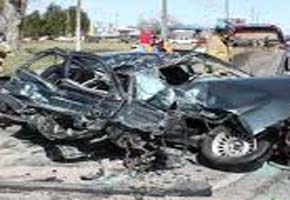
Schools have long closed; most companies have taken a recess to pave way for the lengthy Christmas and New Year holidays. For many, this is an opportune moment to get acquainted with loved ones living in distant lands, especially in rural areas — the major reason behind the soaring human and vehicular traffic overwhelming our city roads.
Most business personnel in the transport and retail sectors have undoubtedly embarked on profit maximisation in trading goods and services to tap from the inevitable spending by consumers and commuters during this period. A ticket from Johannesburg to Bulawayo is reportedly going for over R850 from R300 normally charged during off peak periods.
It doesn’t matter that there are the destitute or low income earners who will be affected by this unethical practice; profiteering is always the basis of many business operations during this period. However, it should be highlighted that despite this unwarranted fleecing of the nation’s citizens, human life on the country’s roads should always be the mainstay of every business venture, especially in the public transport business.
Festive season should be a time of joy as people rest from the year’s challenges in the company of their relatives and friends. People normally travel as families and sober, meticulous driving is compulsory as anything on the contrary is bound to traumatically wipe an entire family from the face of the earth.
Most families have fathers, mothers or children taken away from them or disabled, with new orphans surfacing after the festive season because of negligence and failure by transport operators to prioritise human life.
By 31 December 2011, 84 people had lost their lives in traffic accidents nationwide, leaving 706 people injured in 956 road accidents recorded nationwide. This figure was against 98 people who were killed and 1 090 injured in 1 119 accidents recorded during the 2010 festive holidays.
The nation is currently mourning the death of Adam Ndlovu, a historic football legend in Zimbabwe in a road accident which left his brother Peter Ndlovu seriously injured.
This followed the death of death of five people near Insuza on Saturday morning. Both accidents happened along the Bulawayo-Victoria highway and were caused by tyre bursts. Intense emotional pain inflicted on the nation by these deaths goes a long way in showing that human life is more valuable than anything else and should be preserved at all costs.
Our traffic safety requirements stipulate that for an individual to be a holder of a Class One driver’s licence, making him/her eligible to drive public service vehicles, the person should first score not less than 100 percent for the issuance of a learner’s licence.
This underscores the fact that human life is very precious. It cannot be experimented with. No slight mistake is justified in taking a precious soul away.
Man, on top of being made in the image of God the creator, was given custodianship and stewardship over all things inhabiting in the earth. Families need each other for survival. Most animals need the guiding hands of humans to ease their welfare. Parents are perpetual bread winners. Their services are sought at home and at work. The family union is critical for people as social beings, and this cohesion can be brutally severed by the death of a family member, especially death orchestrated by careless driving or travelling on a vehicle which is not roadworthy.
It is disheartening to see kombi drivers in our urban roads toying with people’s lives by excessive speeding along pothole ridden roads, and flouting traffic laws in busy intersections in a bid to outcompete each other as they seek to fulfil monetary targets. With the high volumes of traffic pervading our city centre and residential roads, this is a danger, not only to passengers boarding the vehicle but to pedestrians as well.
Bus operators should ensure that their vehicles are in a sound condition before launching them for passenger transportation. During this period, there is a tendency to use ailing vehicles — previously abandoned because of numerous problems bedevilling them — to cater for the increased demand of travellers, particularly those heading for the rural areas.
The Vehicle Inspection Depot and the traffic police should not hesitate to impound such vehicles to save people’s lives.
Rural buses should exercise extreme caution as they carry more than 75 lives on board. Our highways in Matabeleland are single carriageways and strip roads, like the Bulawayo-Tsholotsho and Bulawayo-Nkayi roads, and the state of our dirt roads, which constitute the majority of our road network, is deplorable, requiring scrupulous driving to preserve lives.
On strip roads, most lives have been lost in accidents as drivers speed excessively speed and fail to accommodate oncoming traffic from the other directions. Some drivers are simply reluctant to give way for oncoming traffic; they expect the other driver to pull off the road for them and this reckless pride has been the major cause of numerous head on collisions. Personal pride should not be given precedence over human life.
The Beitbridge and Plumtree Border Posts are currently overwhelmed by increased quantities of traffic from South Africa, seeking to make their way into the country, meaning that they will add to the already overflowing volumes in the country’s roads. Tolerance should be exercised as most of the injivas from South Africa are somehow not used to driving slowly, and are quite daring to even speed unreasonably on our restricting road network.
Speeding should be avoided as it is a major villain of tyre bursts and overturning of vehicles. Most public operators allow their buses — usually from rural areas — to carry up to 150 people in a 75 passenger bus; these buses tread dangerously on dirt roads, particularly so when there is a rival bus company competing in the same route. Most of them travel as early as 2am.
The prospects of colliding with a stray donkey or cow are also high, but caution is thrown into the wind as the inclination to outfox the competitor becomes more important than human life on board.
President Robert Mugabe, in his address at the People’s National Congress in Gweru, admonished the Zimbabwe Traffic Police to shun corrupt practices at roadblocks as this is a danger to people’s lives.
A vehicle with faulty mechanisms like brakes, tyres or lights cannot be allowed to proceed, even if the driver has a handsome amount of cash to bail himself out of the situation. People’s lives cannot be sacrificed because a bribe has been paid.
Having a sizeable number of roadblocks is often regarded with indifference by motorists and the travelling public. However, this move has its advantages in that it serves as a speed check and prevents vehicle owners, especially in the public transport business, from overloading and using vehicles that are not roadworthy.
This is dependent on the Vehicle Inspection Depot and traffic police’s diligence in seeking to substantially reduce this year’s death toll on the roads.
No amount of money can buy a human life back. No compensation can fill the void left by a loved one killed in a road accident. Money can always be generated as long as a person lives but human life only comes once. It should not be terminated untimely in a road accident.
Drivers should exercise extreme caution. Their lives, and the lives of those whom they drive, are too precious to be violently taken away by something which can be avoided.
l Feedback: 0774 027218 or E-mail: [email protected]


 Online Reporter