Online Reporter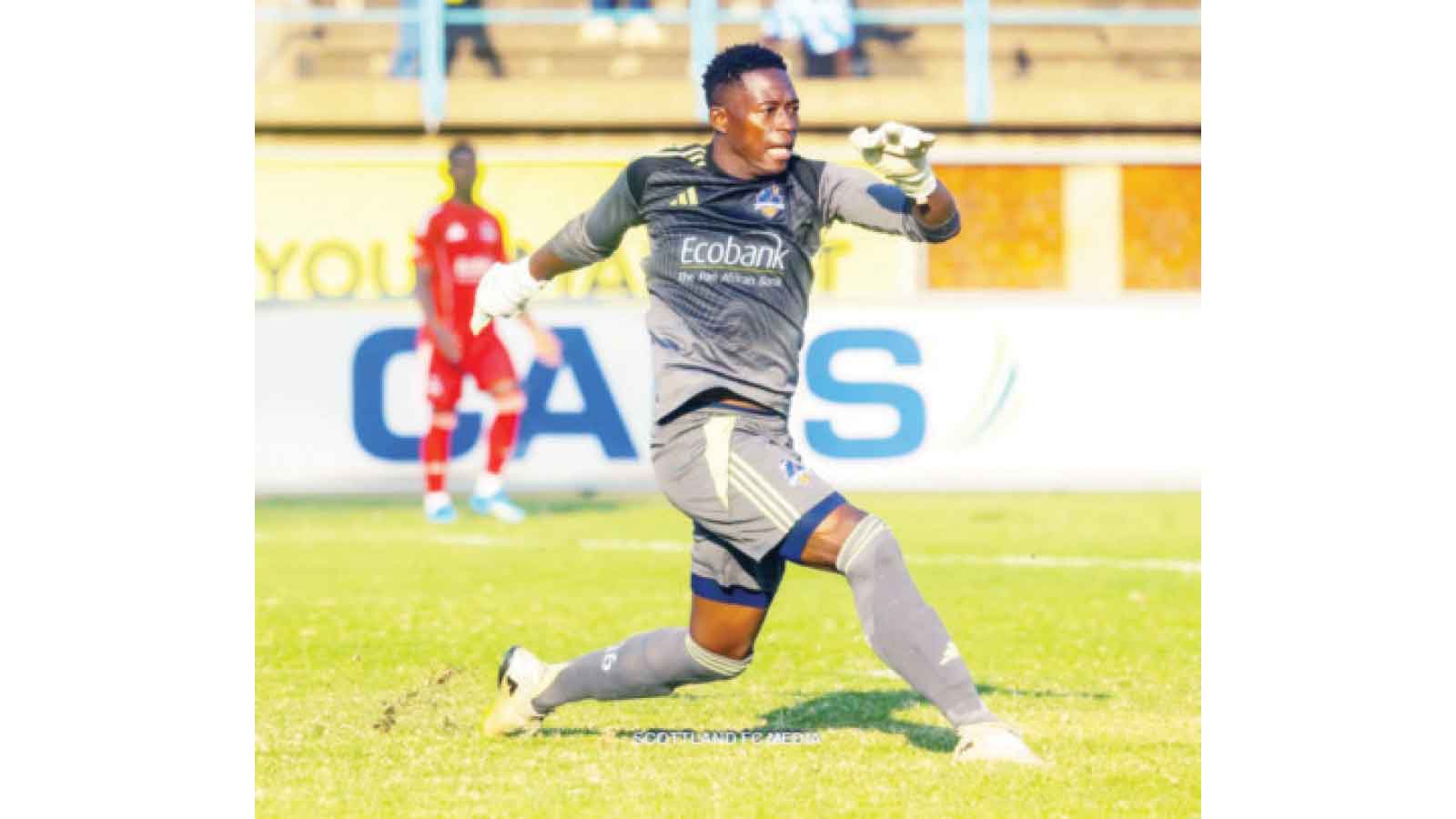
Zimpapers Sports Hub
REFEREE Quedisani Dirwai found himself in the spotlight following the goalless draw between Scottland and MWOS at Rufaro.
His offence was failing to award a potential penalty — one he probably never saw because of his angle.
Goalkeeper Nelson Chadya appeared to foul the attacker instead of getting the ball inside the box.
Television replays from the referee’s side showed the challenge was inconclusive — just a 50-50 challenge with the ball changing direction.
From the other angle, away from the referee, Chadya does not make contact with the ball, but the man.
In this age, when the Video Assistant Referee (VAR) system has taken over elsewhere, it becomes unwanted football drama.
You sympathise with MWOS, but you cannot blame Scottland. And, most importantly, you can feel for the referee.
After this latest episode, calls are growing for the PSL and the Zimbabwe Football Association to invest strongly in VAR in the future if the game is to truly grow.
In the heat of the moment, Lloyd Mutasa was furious with the decision, but in his post-match reaction, he seemed a bit calmer.
“Football is an emotional game, and as a coach, you will be playing as well. But we take what the officials say, and we move on,” said Mutasa.
He added: “The boys stuck to the plan. The pressure came, but they showed character and refused to bow. That is a big positive for us going forward.”
Norman Mapeza said it was a difficult encounter.
“When games are tough like this, and you create chances or half-chances, you need to bury them,” he said. “That is something we failed to do. In the end, we have to take the positives from the game and focus on our next assignment.”
The big talking point at Rufaro on Saturday is not the first, and will not be the last, in the local Premiership.
So, will the authorities be able to move with the times any time soon?
It is estimated that the cost of a basic or temporary Video Assistant Referee (VAR) system for one stadium ranges between $65 000 and $200 000, apart from match-day and operational expenses.
The costs can, however, be much higher than for permanent systems integrated with extensive camera feeds and stadium upgrades.