

 Online Reporter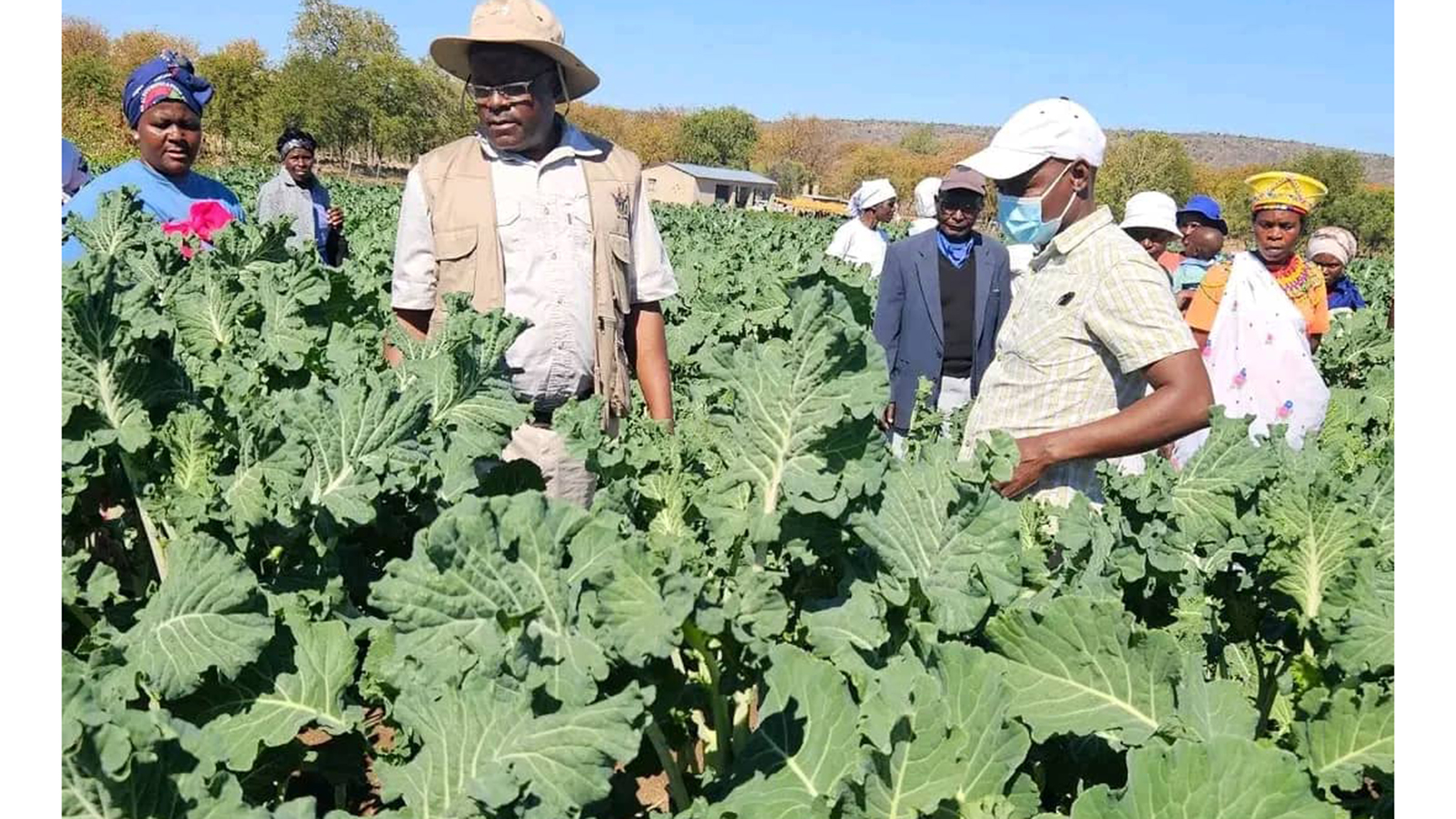
Theseus Shambare
VILLAGE Business Units (VBUs) have the potential to transform rural communities from relying solely on subsistence farming to becoming industrialised, self-sustaining centres of production and enterprise.
A VBU is a community-owned agro-business hub designed to integrate farming, irrigation, aquaculture, and value addition.
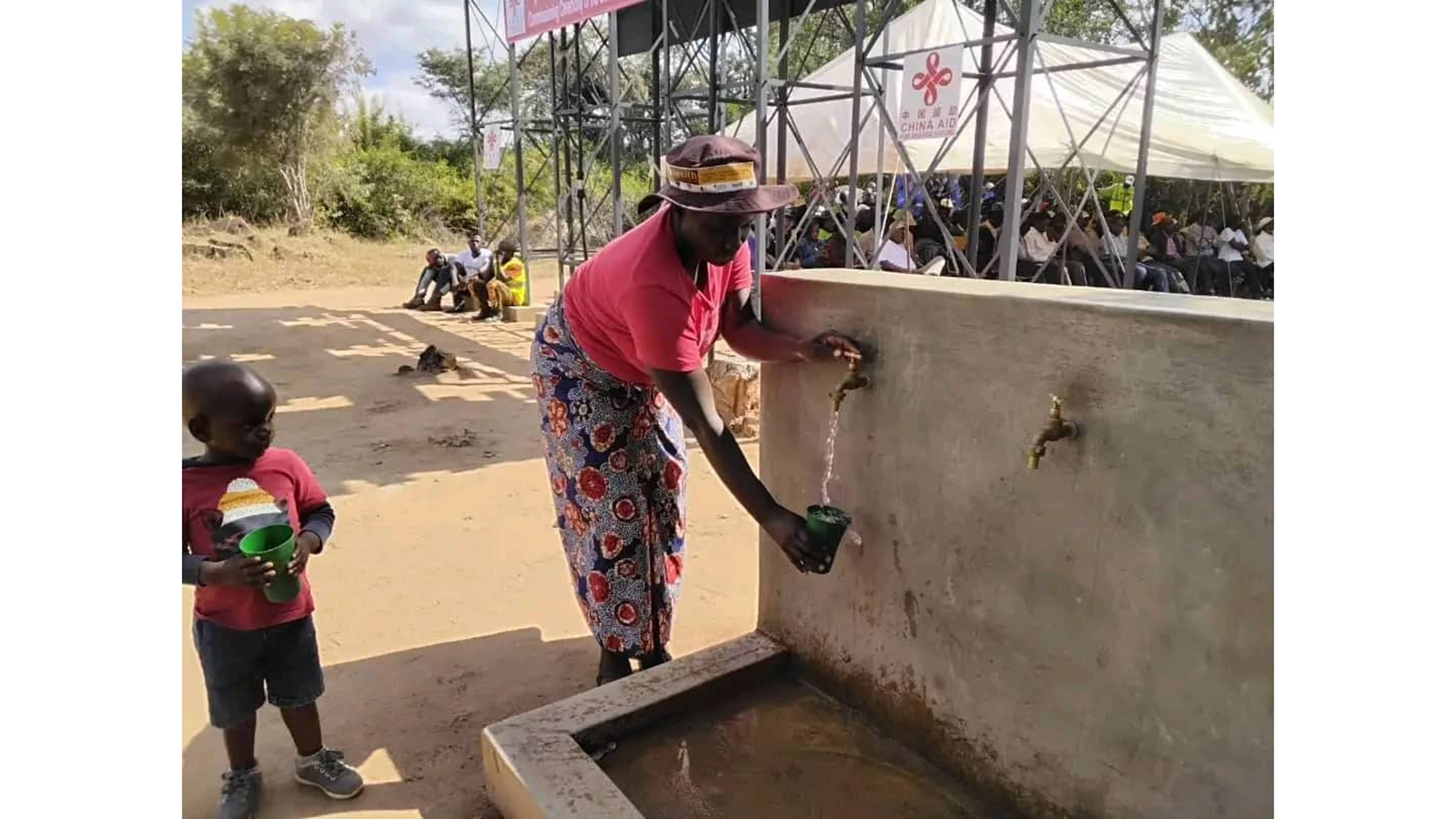
Each unit is powered by a solar-driven borehole system that feeds into large tanks with a combined capacity of up to 20 000 litres of water.
This innovation enables drip irrigation for year-round crop production, while two fishponds, each measuring 20 by 10 metres, provide an additional source of income and nutrition for villagers.
For long, most rural households cultivated crops purely for household consumption — often not enough to sustain them through the lean season.
The establishment of VBUs aims to end that cycle by promoting commercialised rural agriculture and encouraging villagers to view farming as a business rather than a survival activity.
Rural Development Director Mr Leonard Munamati said the initiative was anchored in the Government’s Rural Development 8.0 model, which seeks to modernise and industrialise the countryside through sustainable agricultural enterprises.
“Each VBU is designed as a business entity that belongs to the community,” said Mr Munamati.
“These units are registered companies managed by villagers themselves, with guidance from the Agricultural and Rural Development Authority (ARDA).
“They are supported by our Agricultural Business Advisory Officers, who offer both technical and financial literacy training to farmers.”
He explained that the model ensures communities benefit directly from their natural resources, while also creating local employment.
“Our goal is to see every VBU becoming a rural industrial hub, processing and marketing its own products,” Mr Munamati added.
The Agricultural Marketing Authority (AMA) complements the model by linking VBUs to structured markets, allowing communities to plan production with guaranteed buyers in place.
“The idea is to eliminate middlemen and ensure farmers earn fair value for their produce,” said Mr Munamati.
The Government has called on private sector players and development partners to support the expansion of VBUs through investment, value-chain development and agro-processing partnerships.
“With the right investment and collaboration, VBUs can revolutionise our rural economies — creating jobs, boosting food security and driving industrialisation from the village level upward,” said Mr Munamati.
By turning smallholder farmers into entrepreneurs, he said, the VBU model is proving that rural communities can be the engine of Zimbabwe’s industrial growth — where every borehole, every pond and every crop becomes part of a larger ecosystem of prosperity.



